
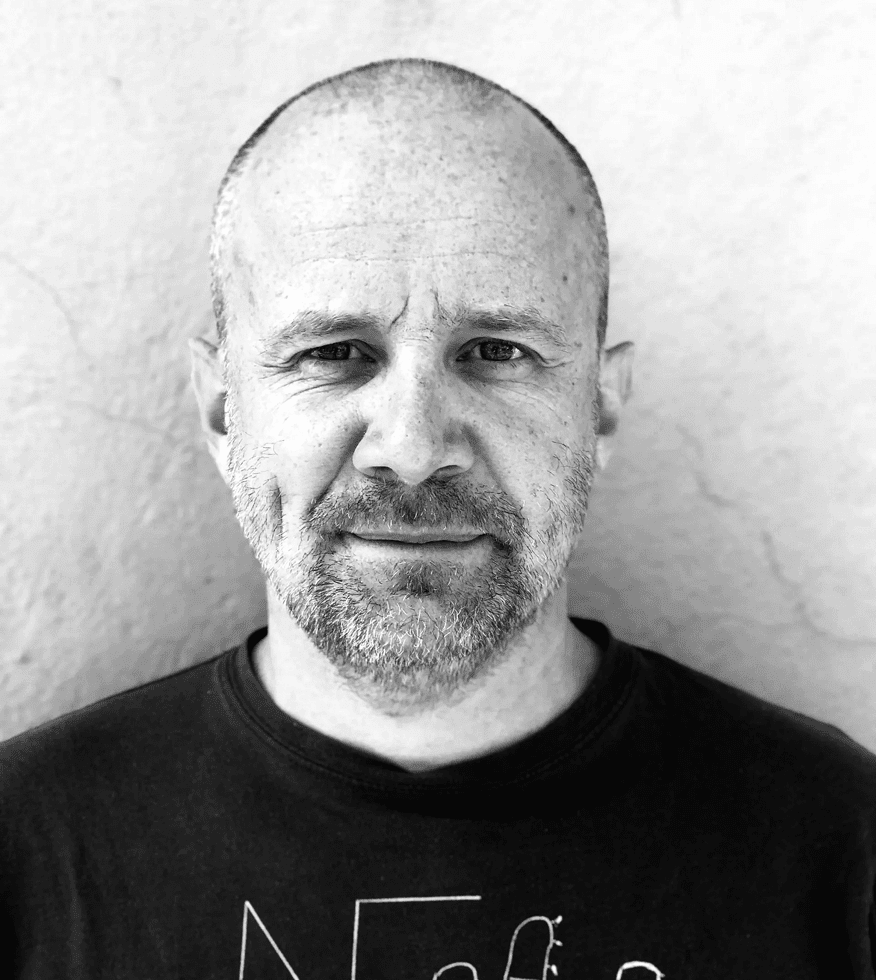
About Fritz Ofner
Fritz Ofner is an Austrian documentary filmmaker whose work has been shown internationally and has reached a global audience through festival screenings and international broadcasters, including a worldwide release on Netflix.
His films explore the impact of systemic power structures, the legacies of colonialism, and lives shaped by political and social upheaval. Working at the intersection of investigative research and close, character-driven observation, Ofner has repeatedly turned his camera toward regions marked by conflict and transformation.
Raised in Styria, Austria, he studied Cultural and Social Anthropology as well as Journalism and Communications in Vienna. After completing his studies, he travelled to Colombia, where he directed his first documentary, Walking with Cecilia (2007), focusing on Indigenous life and social marginalisation — themes that would become a defining thread throughout his work.
In Evolution of Violence (2011), Ofner examined the historical and social roots of Guatemala’s entrenched conflicts. Over the following years, his work centred on the Middle East and the upheavals of the so-called Arab Spring. This period includes From Baghdad to Dallas (2010), following the journey of a refugee child from Iraq to the United States; Beirut Blend (2012), filmed during the early days of the uprisings; and Libya Hurra (2013), portraying the final weeks of the revolution against Muammar al-Gaddafi.
After years of working in global conflict zones, Ofner embarked on an extensive, long-term investigation into the rise of the Austrian-made Glock pistol as a worldwide phenomenon. The resulting film, Weapon of Choice (2018), received broad international attention and was released on Netflix, reaching audiences around the world.
Following these demanding investigative projects, Ofner has shifted his creative focus toward questions at the limits of established knowledge. His current films — The Shaman and the Scientist (2026) and Katabasis, or the Art of the Last Breath (in development) — explore encounters between scientific inquiry and spiritual traditions, examining how different ways of knowing challenge, illuminate, and transform one another.