Comissioned work
Die Weltherrschaft / Le Gran Complot
Director: Fritz Ofner
Screenplay: Michael Lenzinger & Fritz Ofner
Director of Photography: Philipp König
Creative Direction: Michael Lenzinger
Animations: Elias Stern
Editor: Christoph Loidl
Music: Siegfried Friedrich
Produced by Junge Römer / Metafilm
Broadcasted by ARTE, ORF, BR, SRF
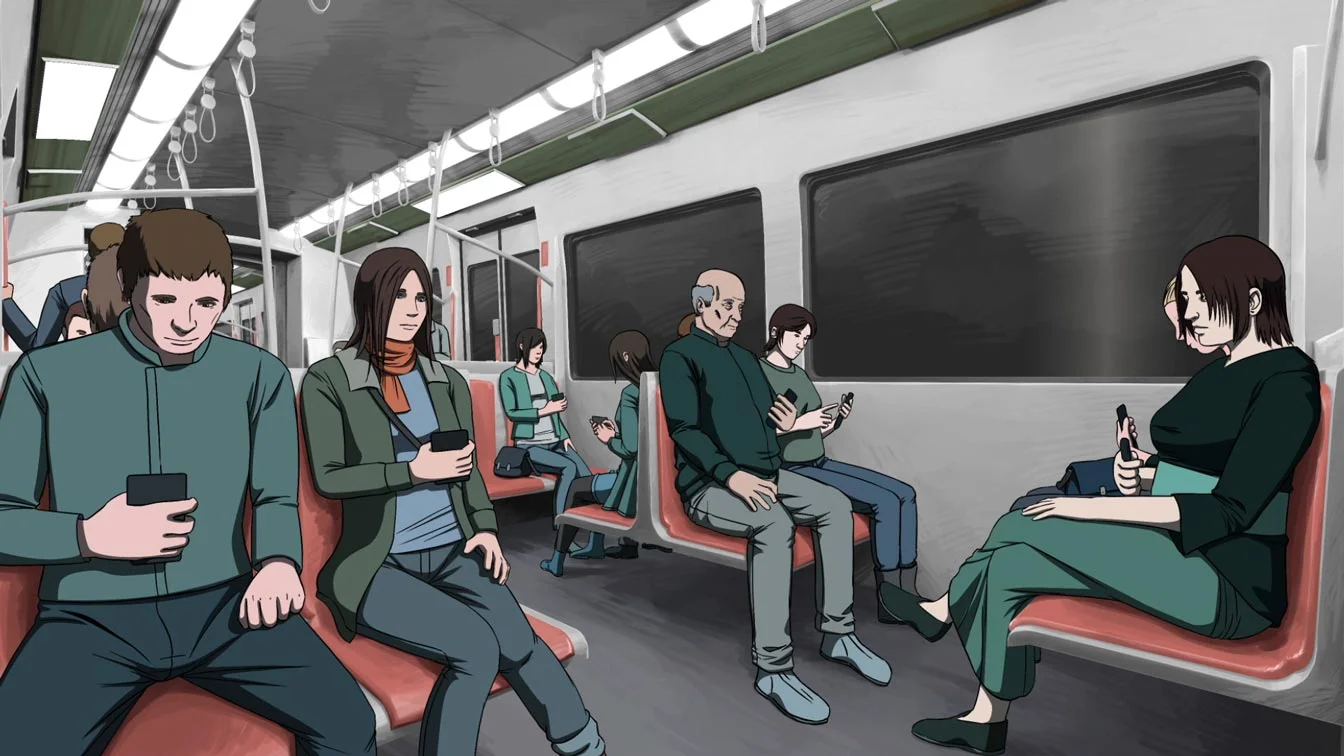
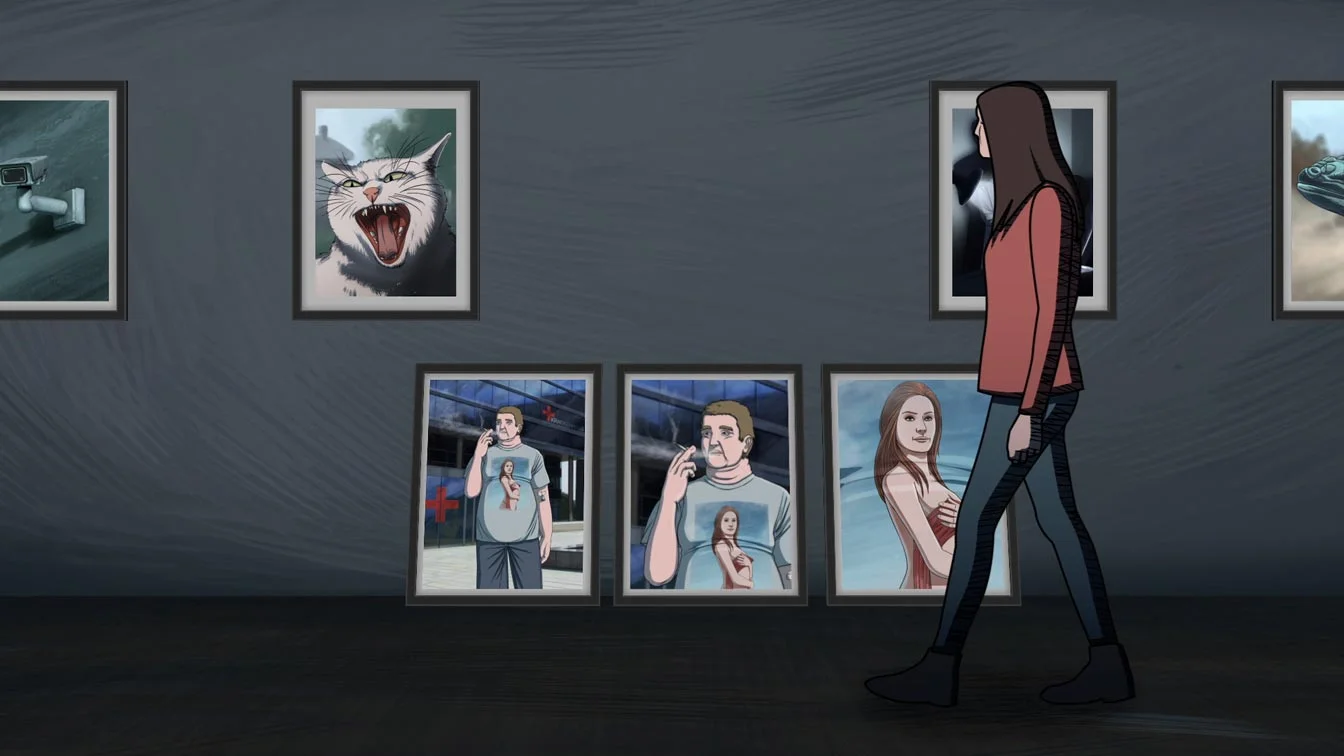
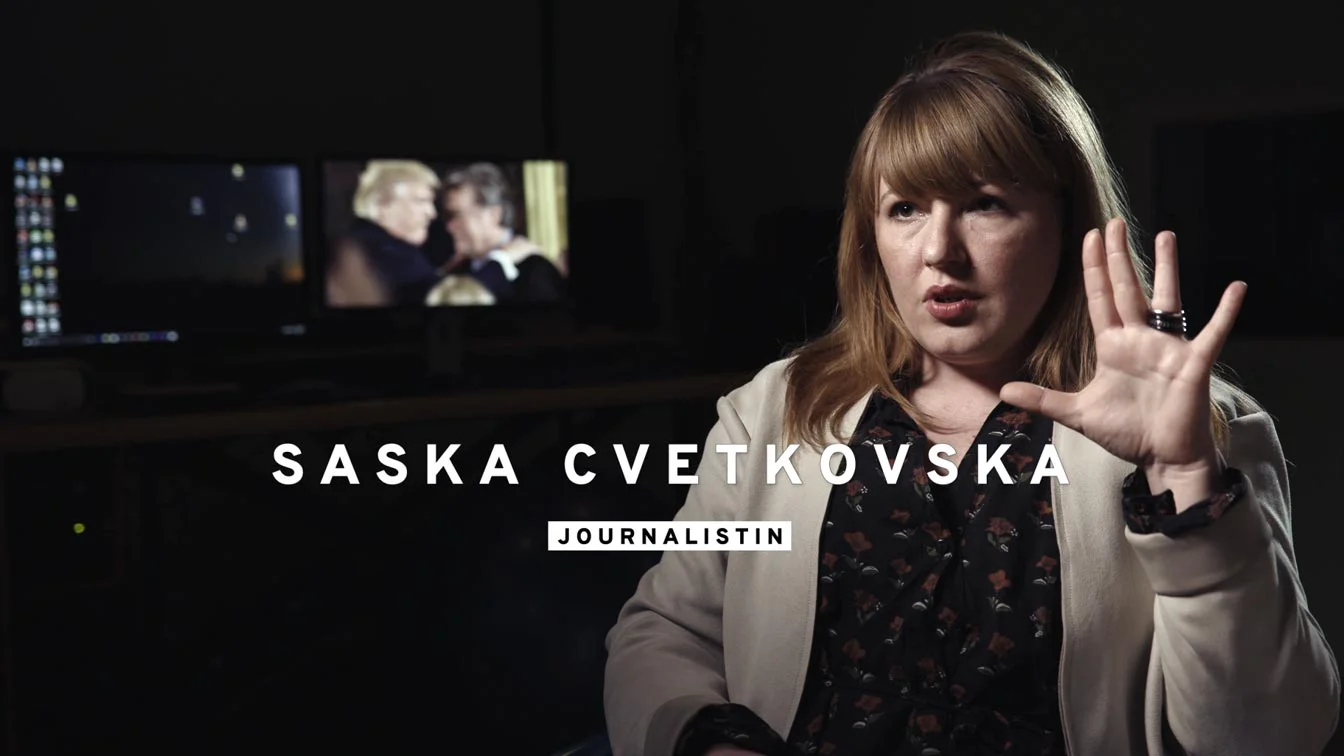
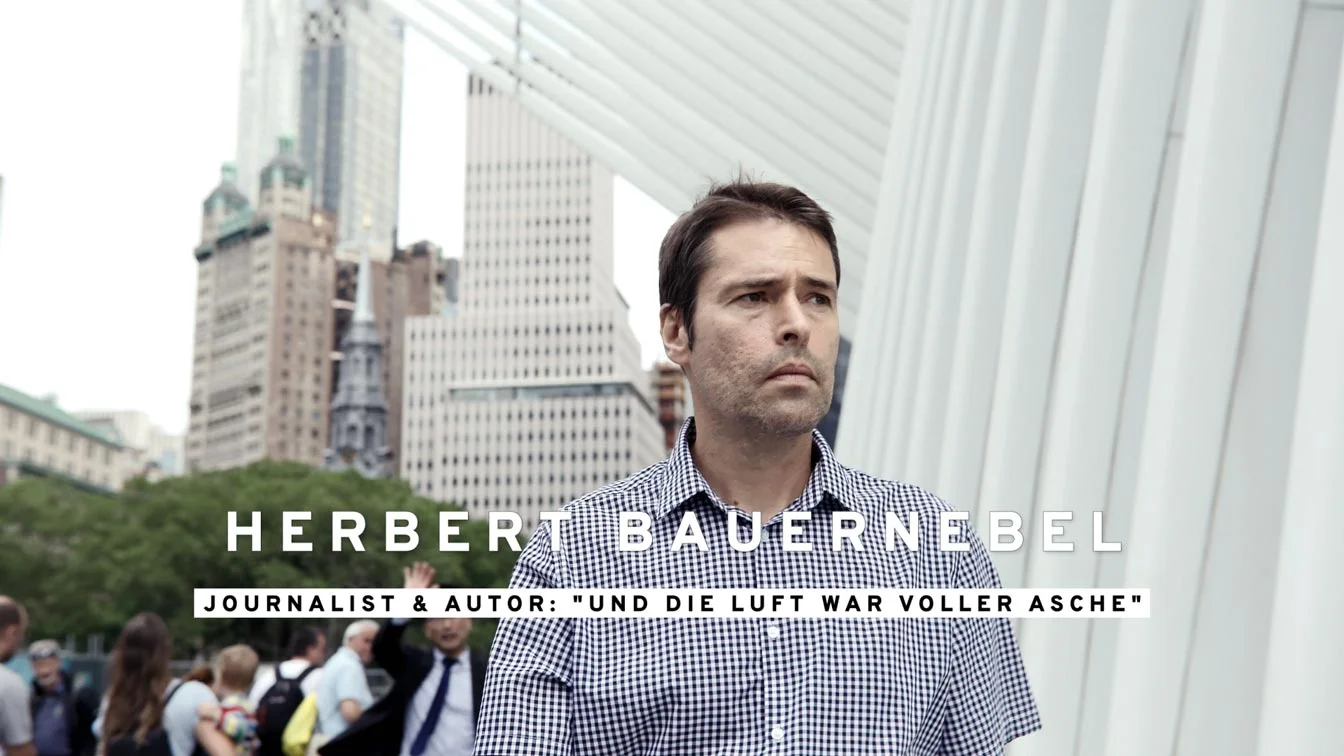
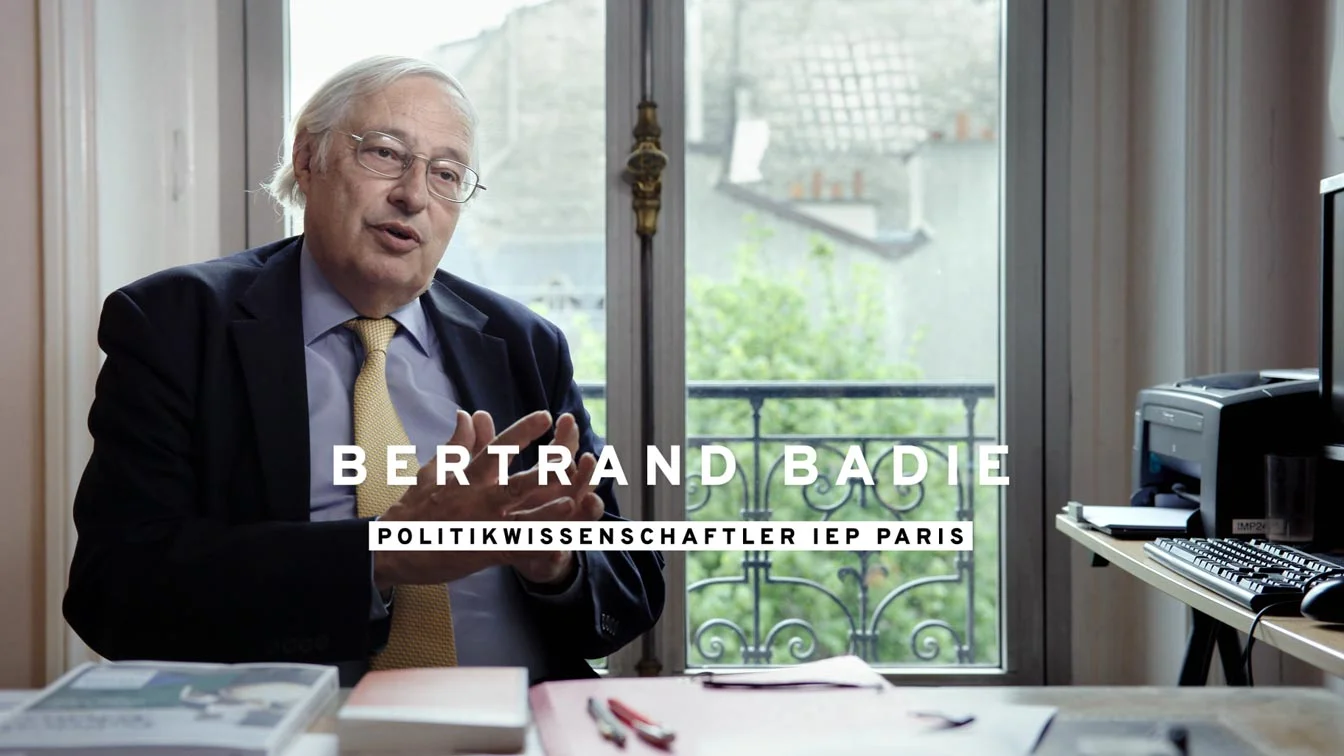
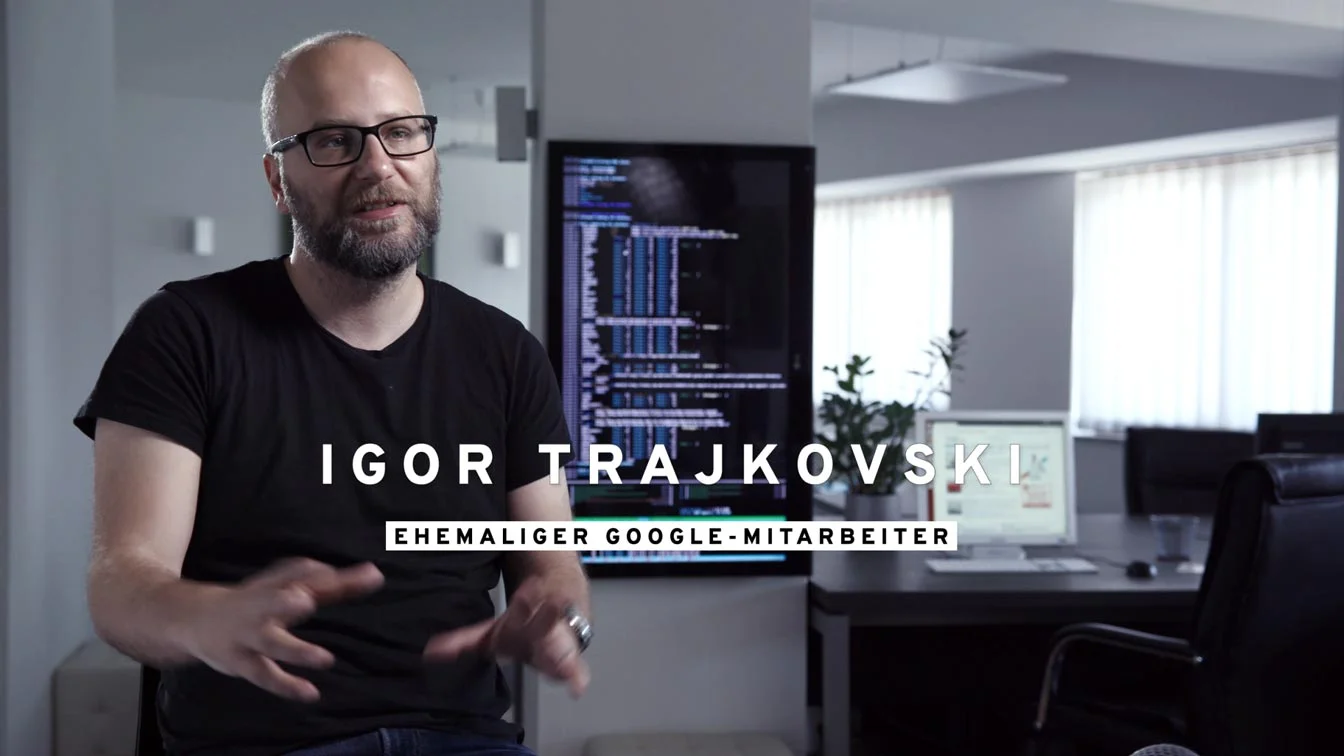
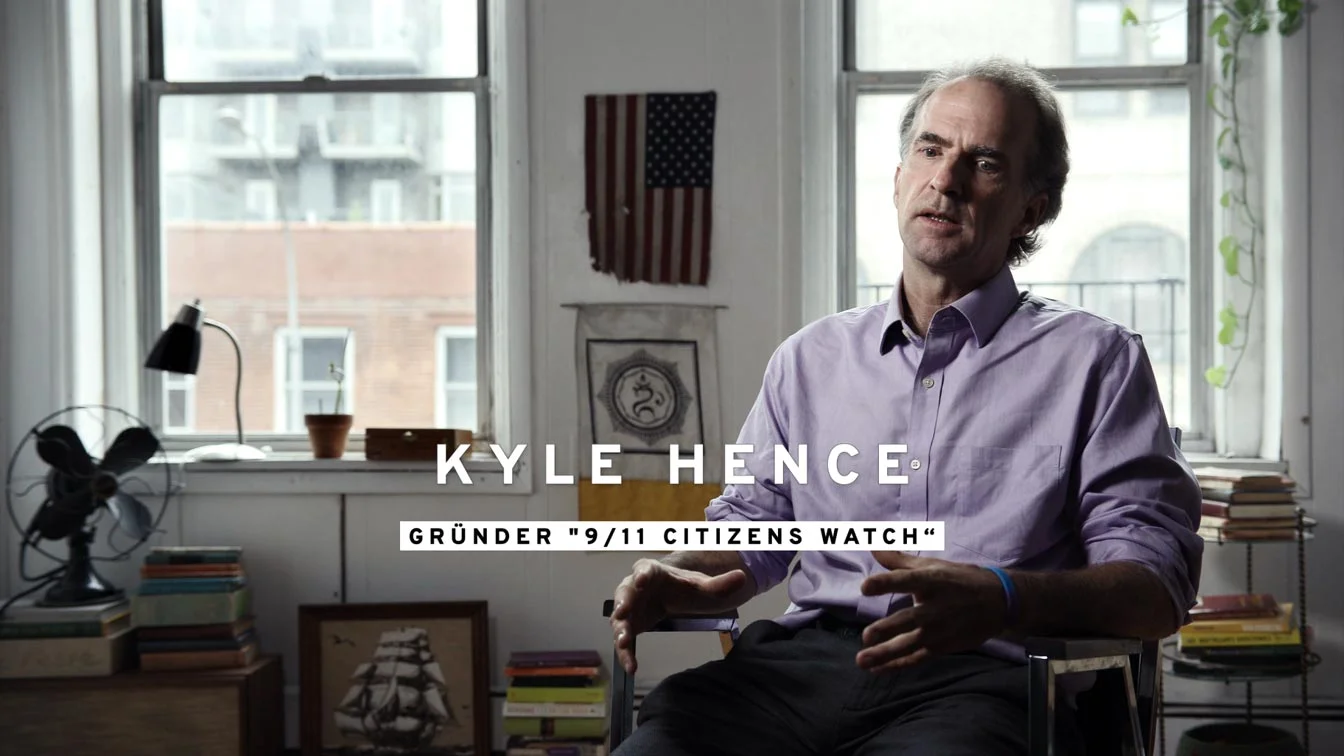
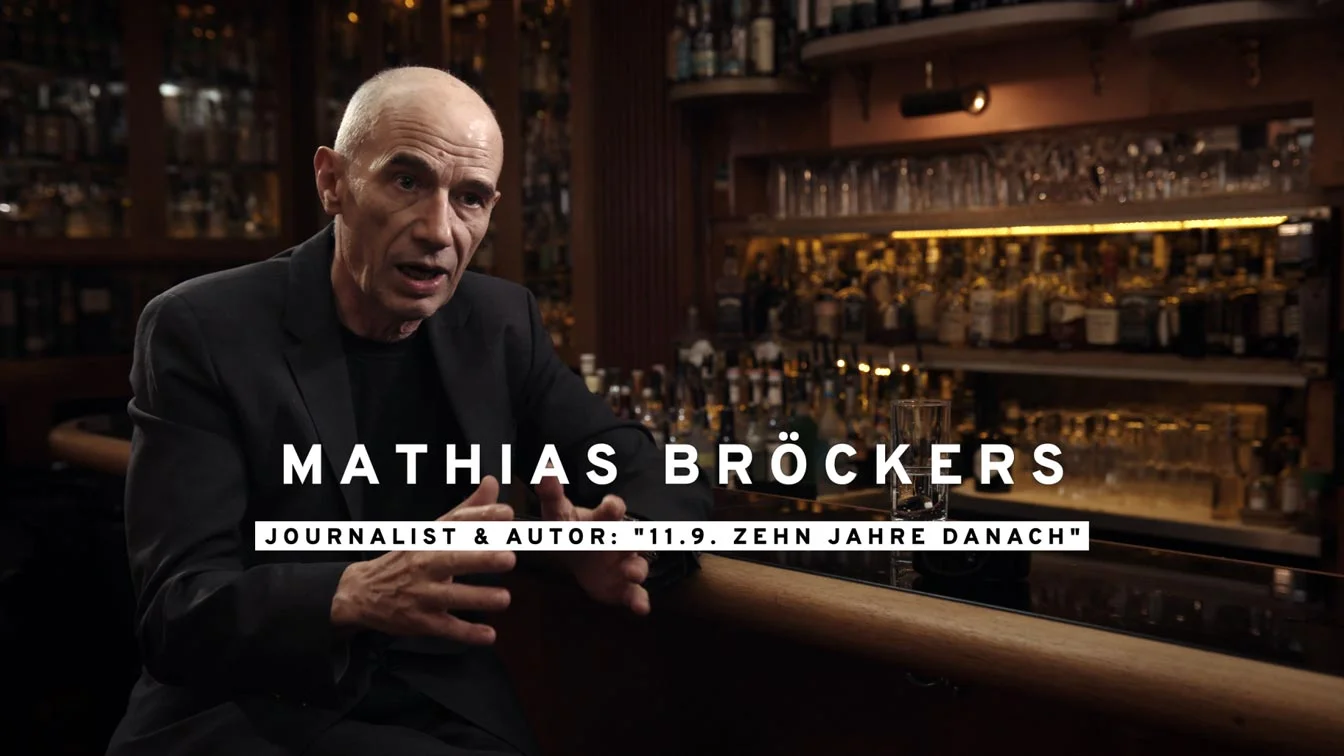
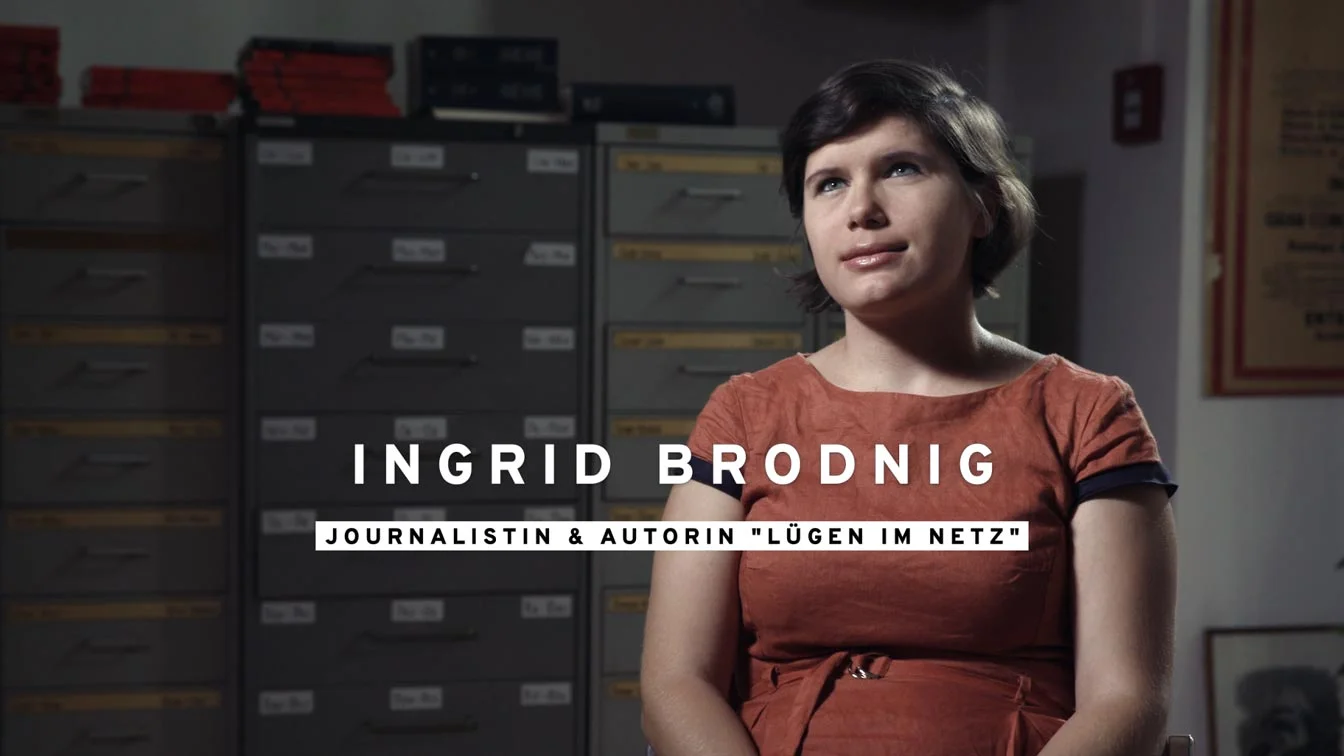
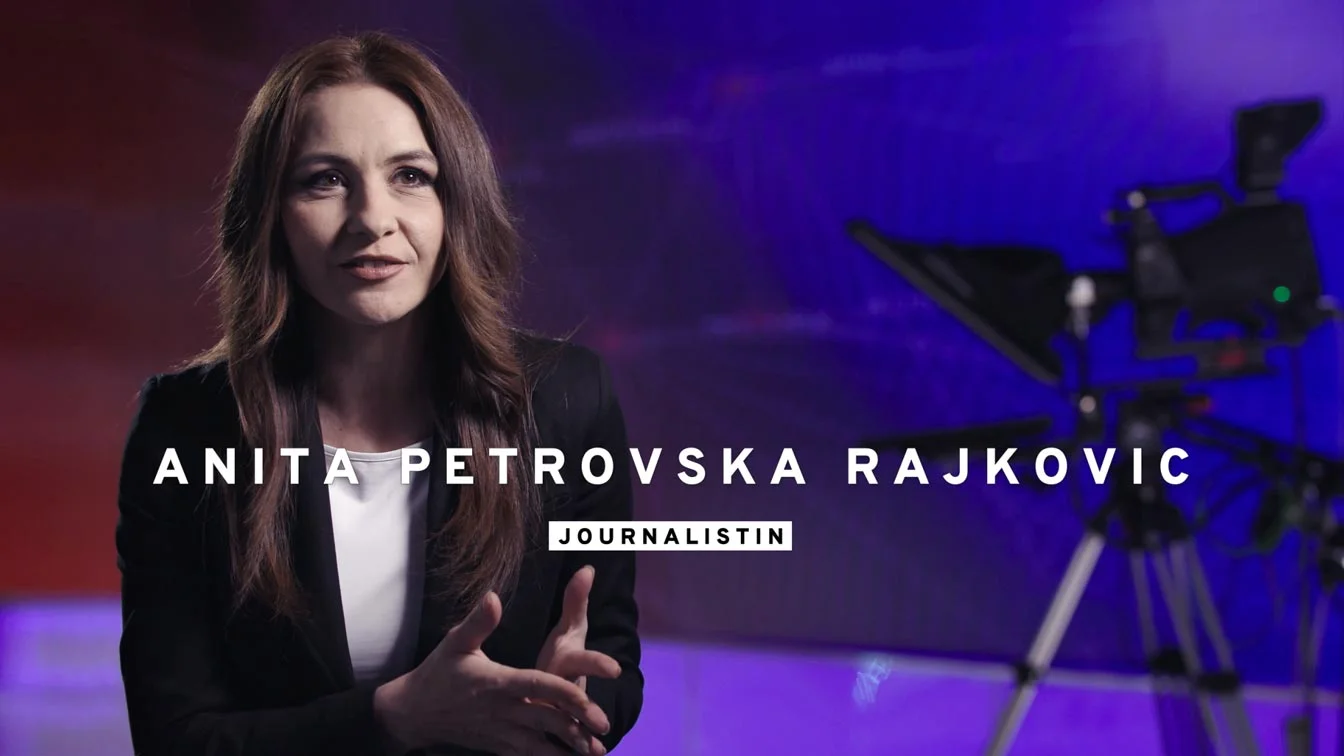
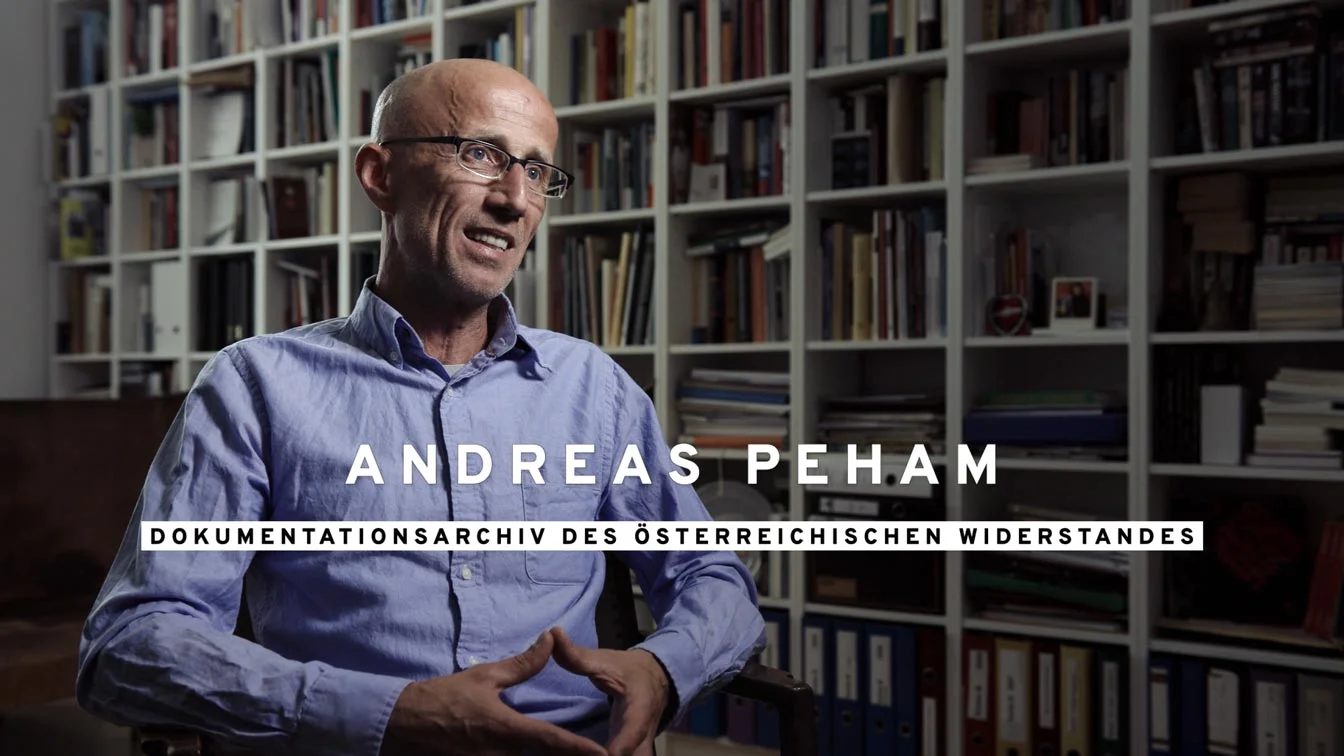
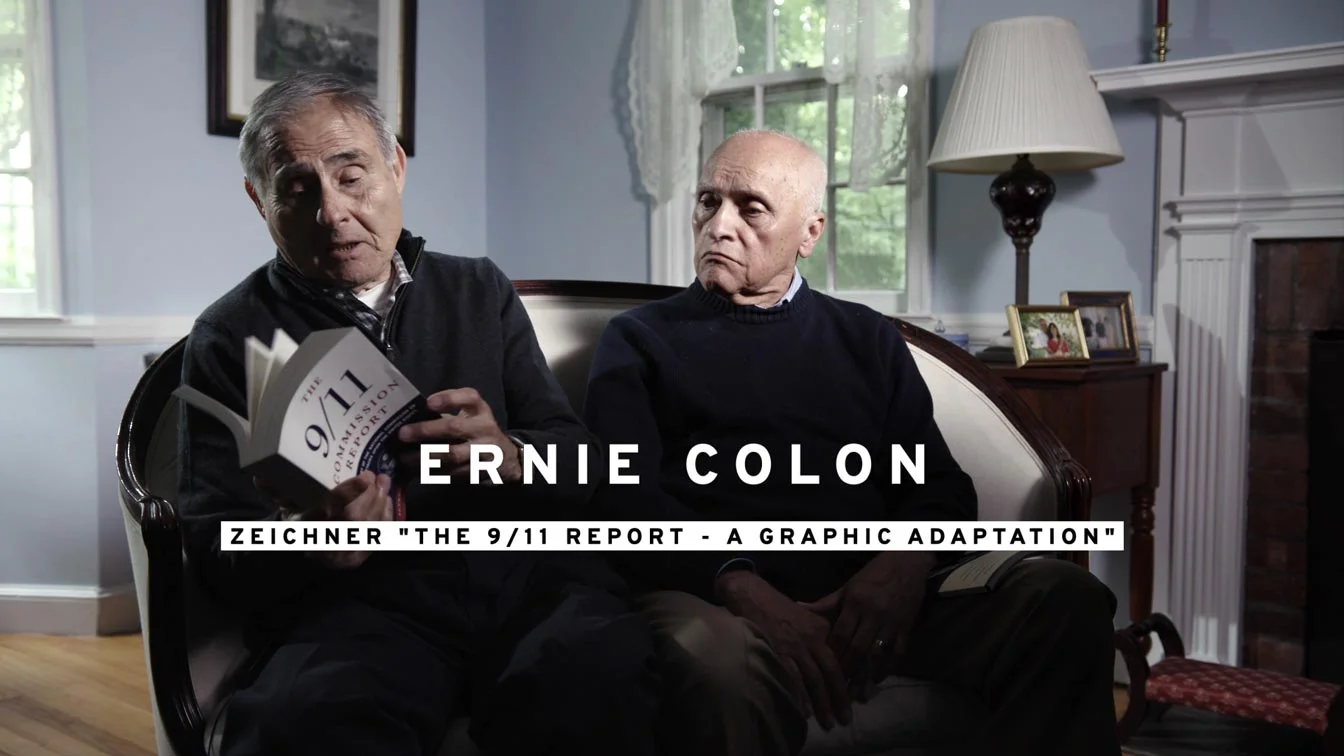
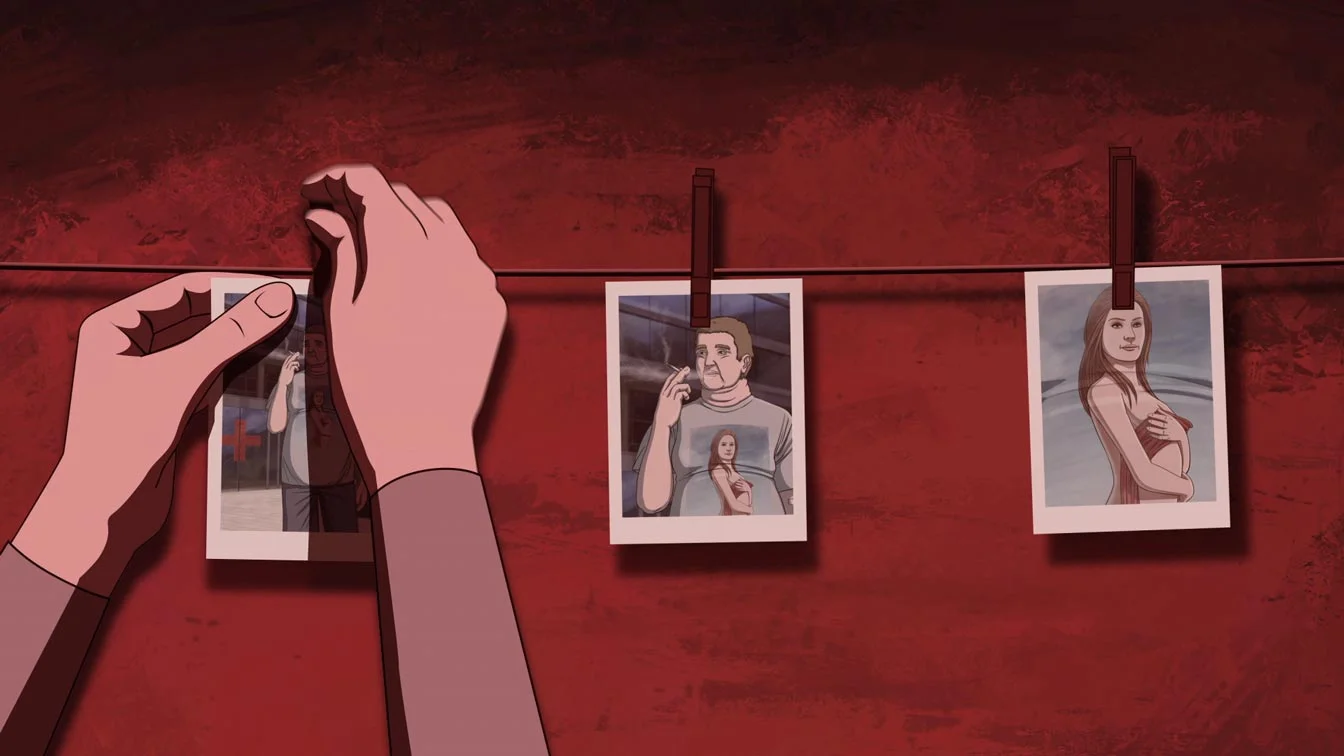
Manipulated elections, chemtrails, climate change being a hoax, staged terrorist attacks, total surveillance and fake news dominate discussions in “real life” as well as in social media. There’s evidence of a controlled demolition of the twin towers, French secret services are behind the attack on Charlie Hebdo and the moon landing was a fake anyhow – to cite just some common theories.
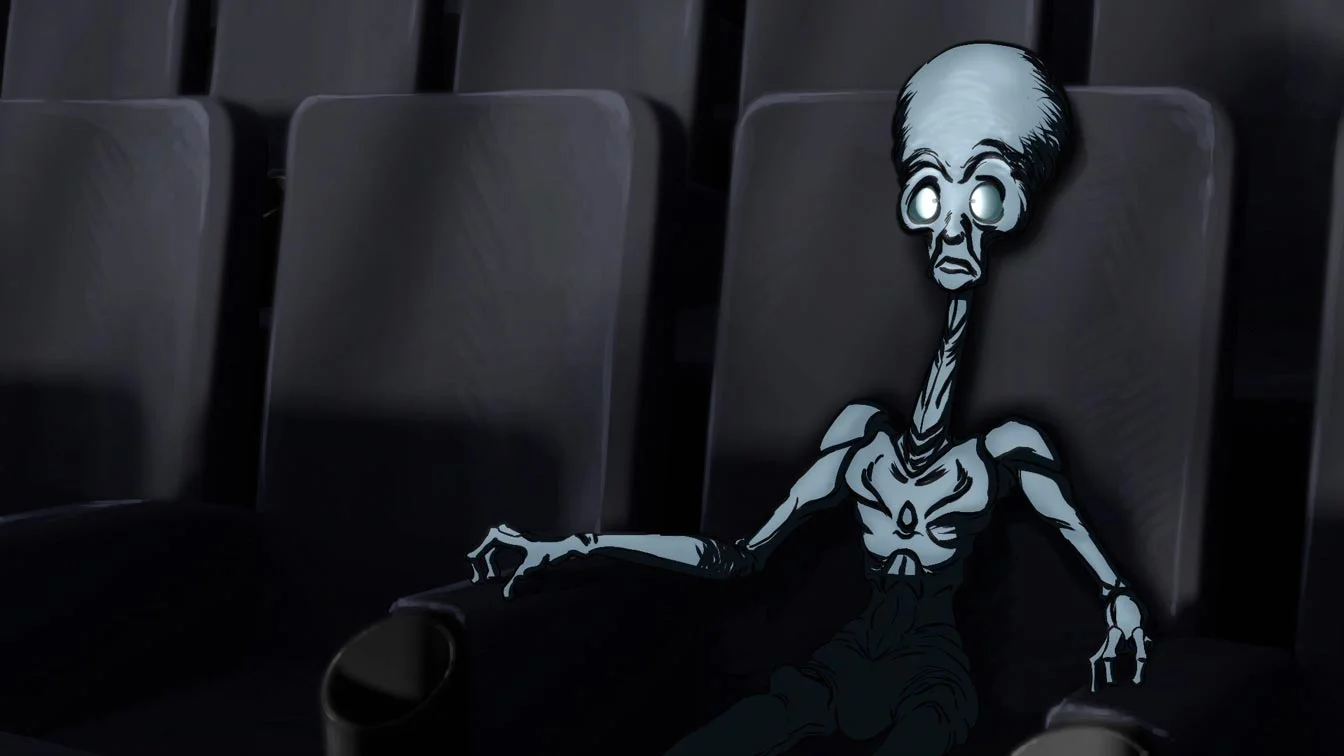
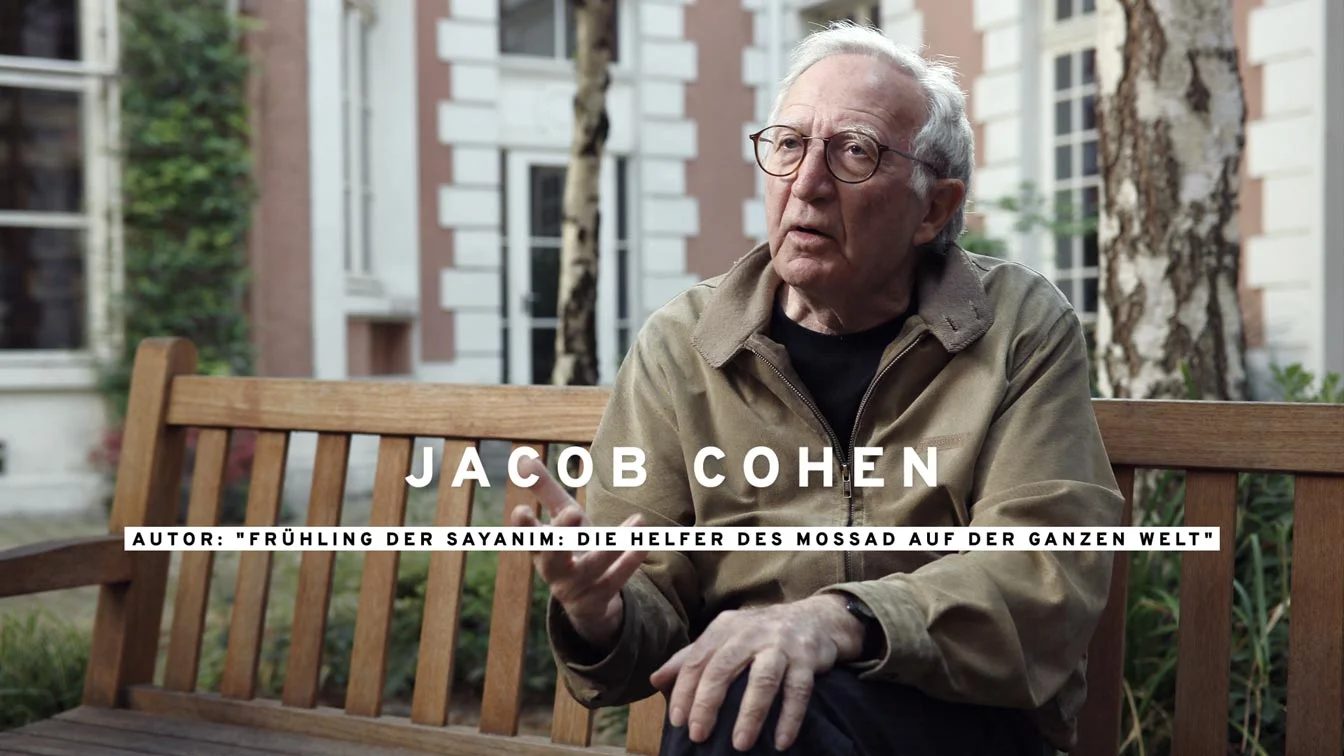
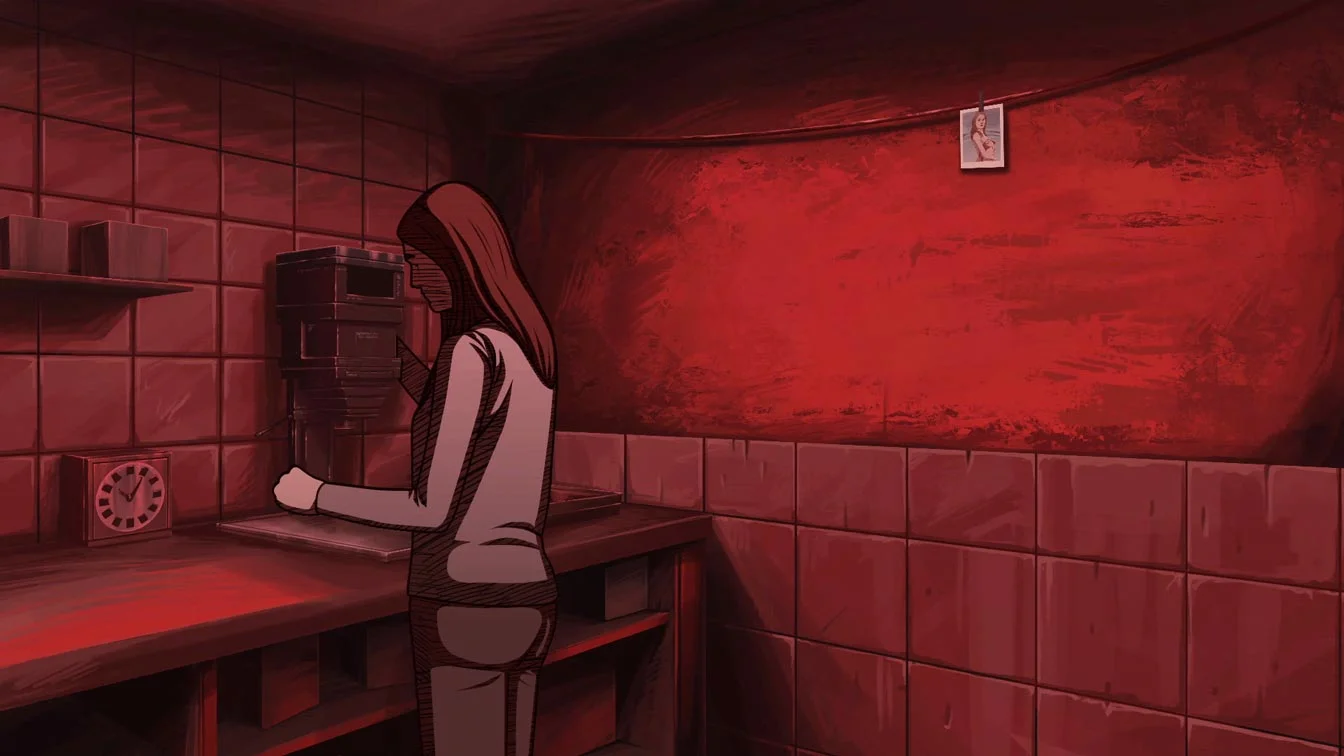
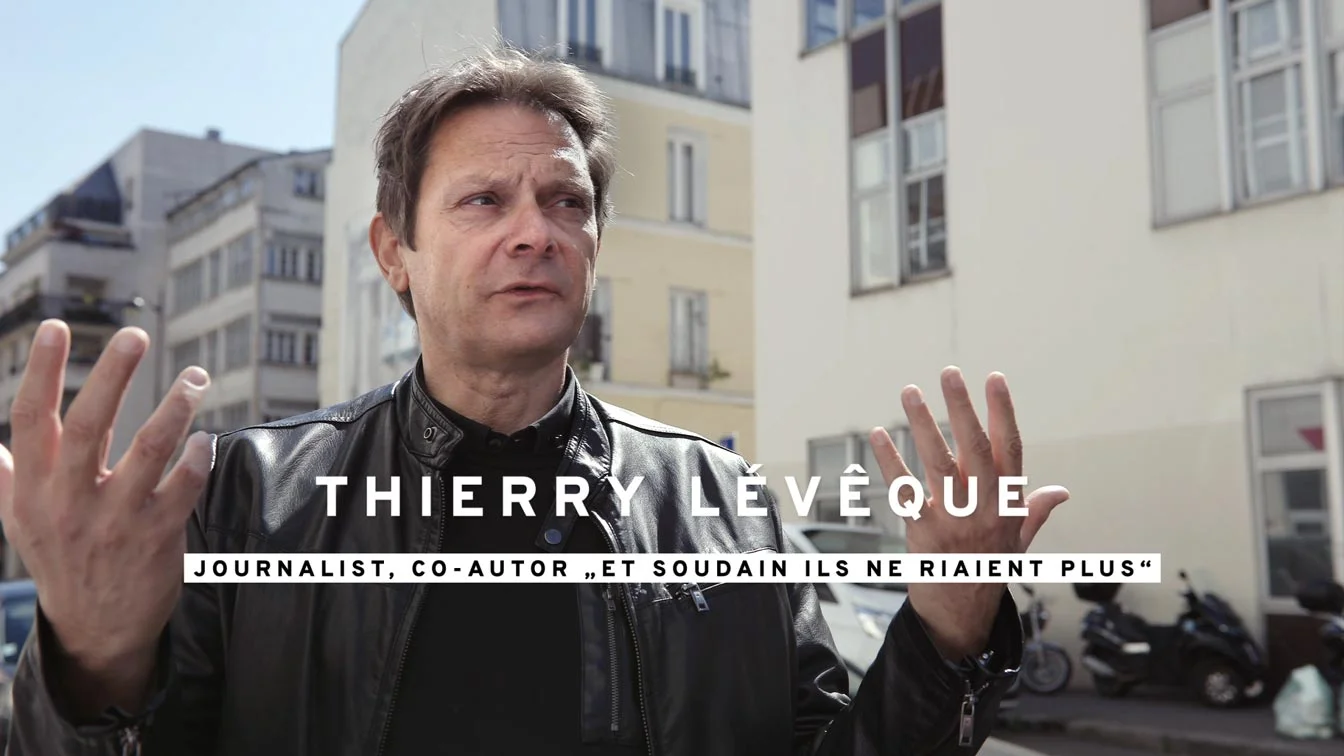
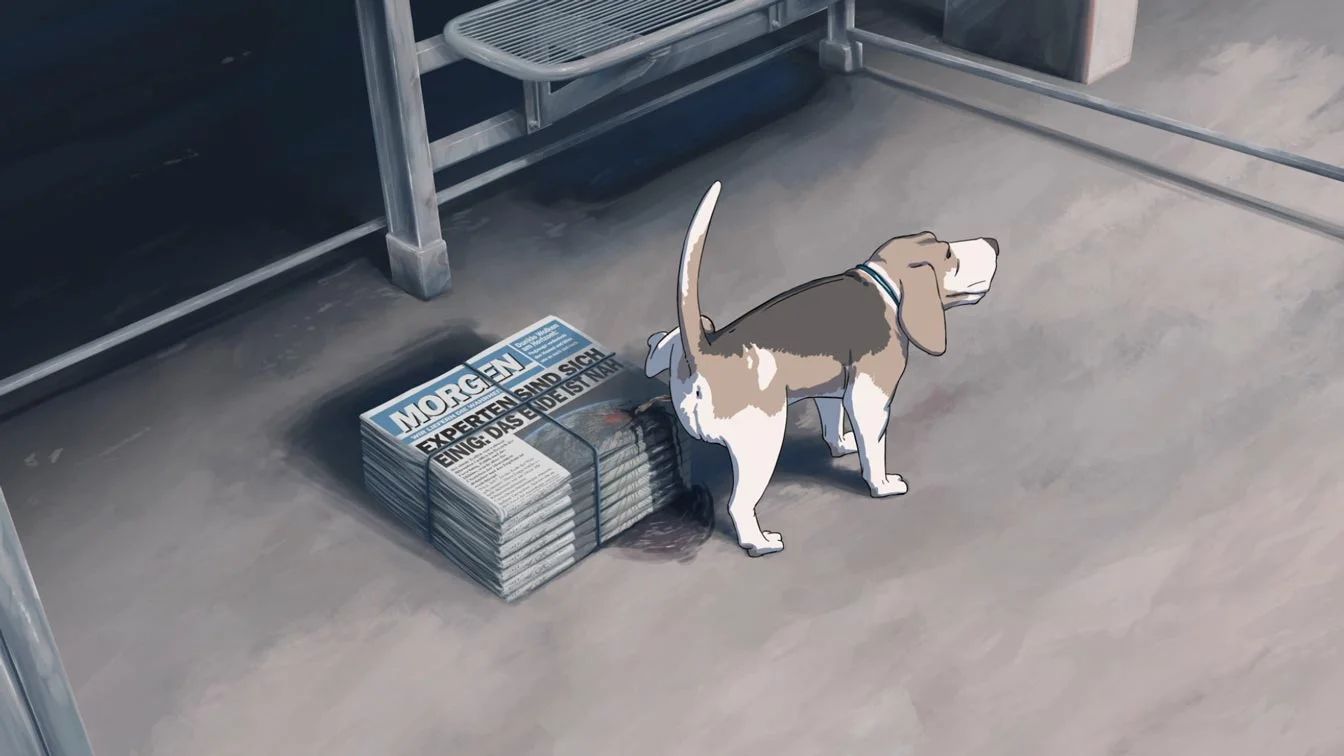
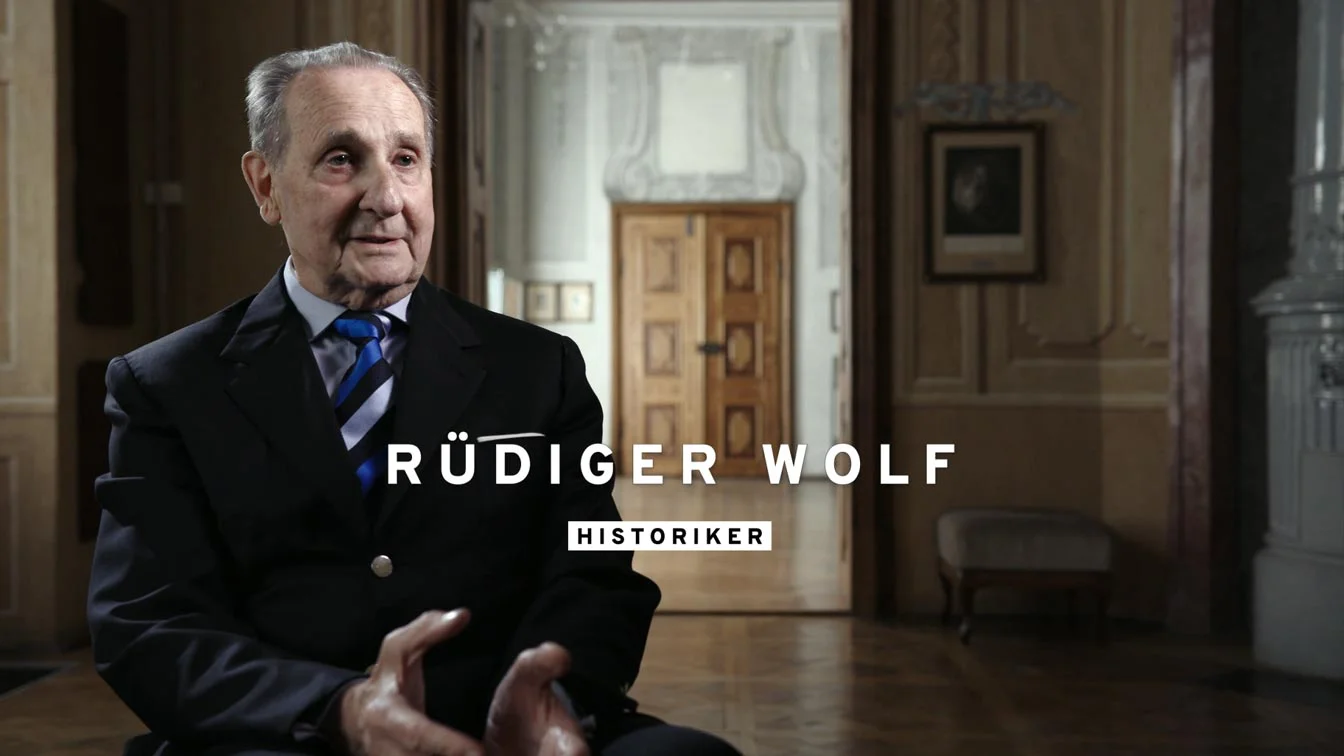
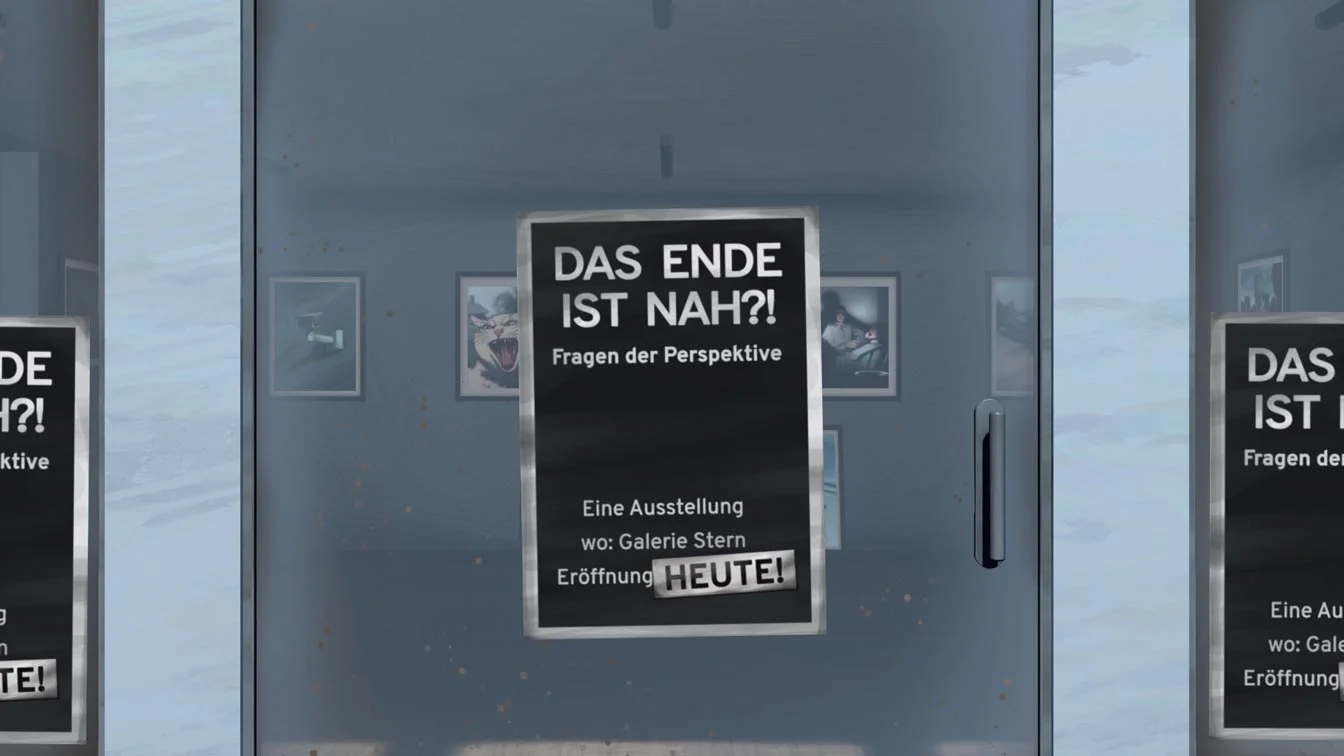
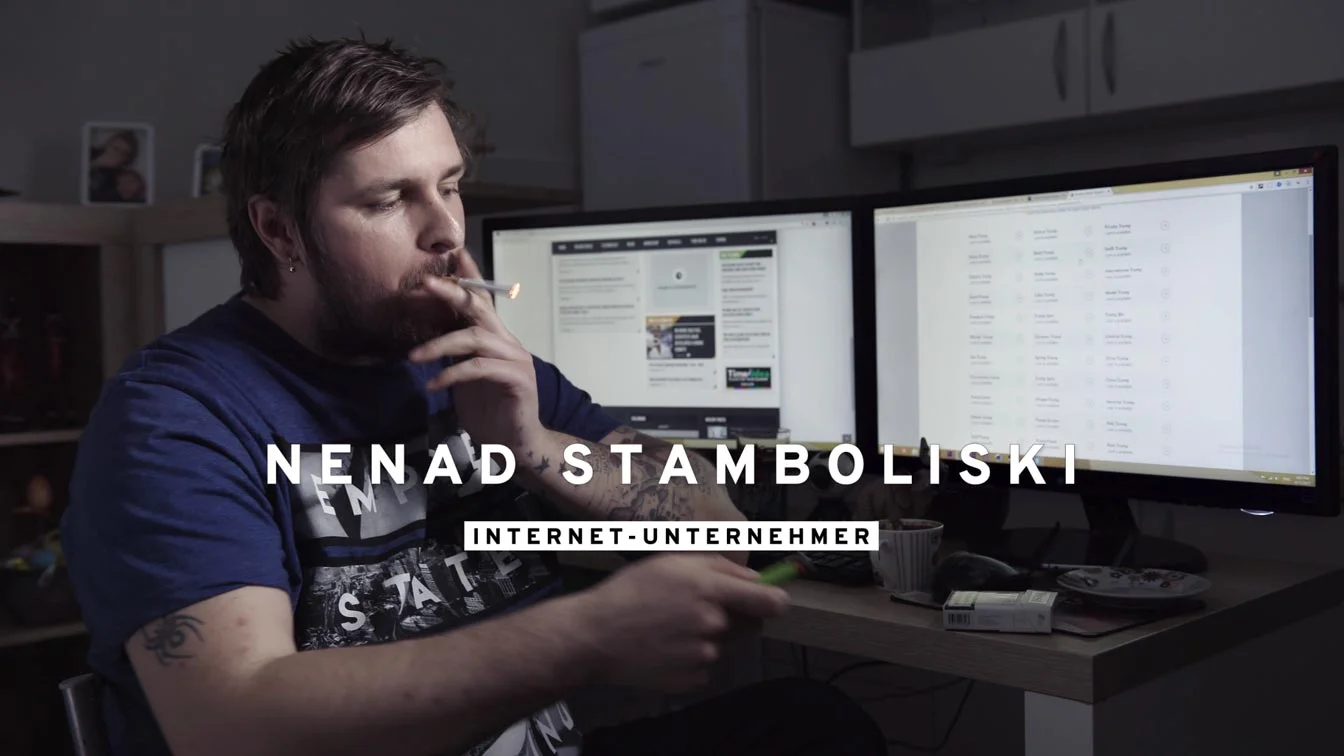
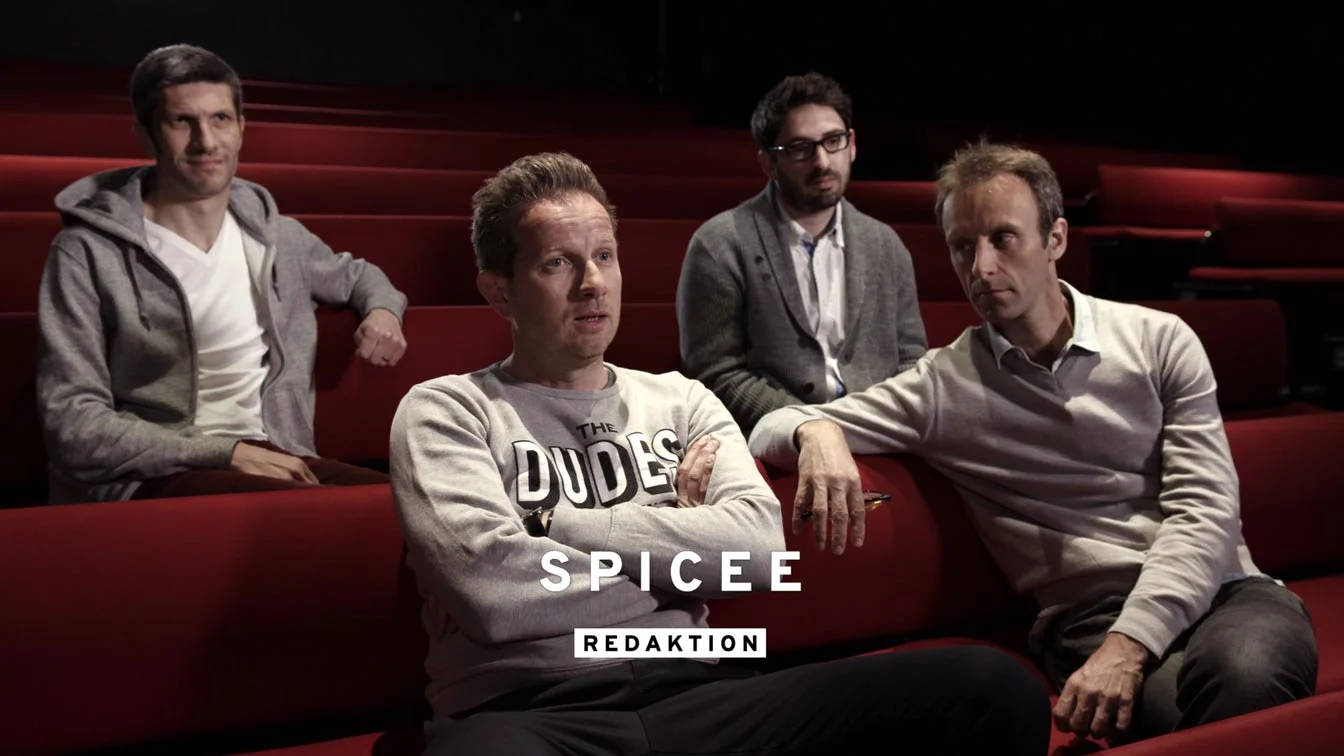
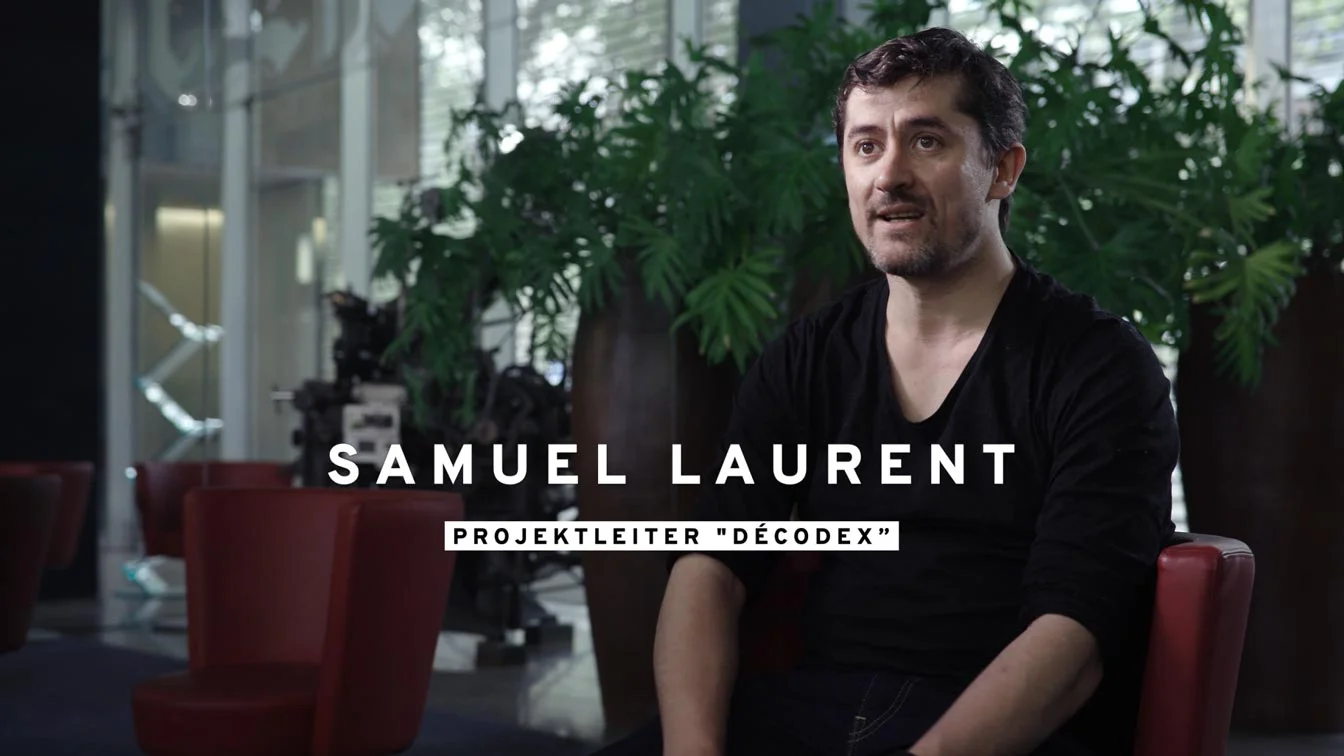
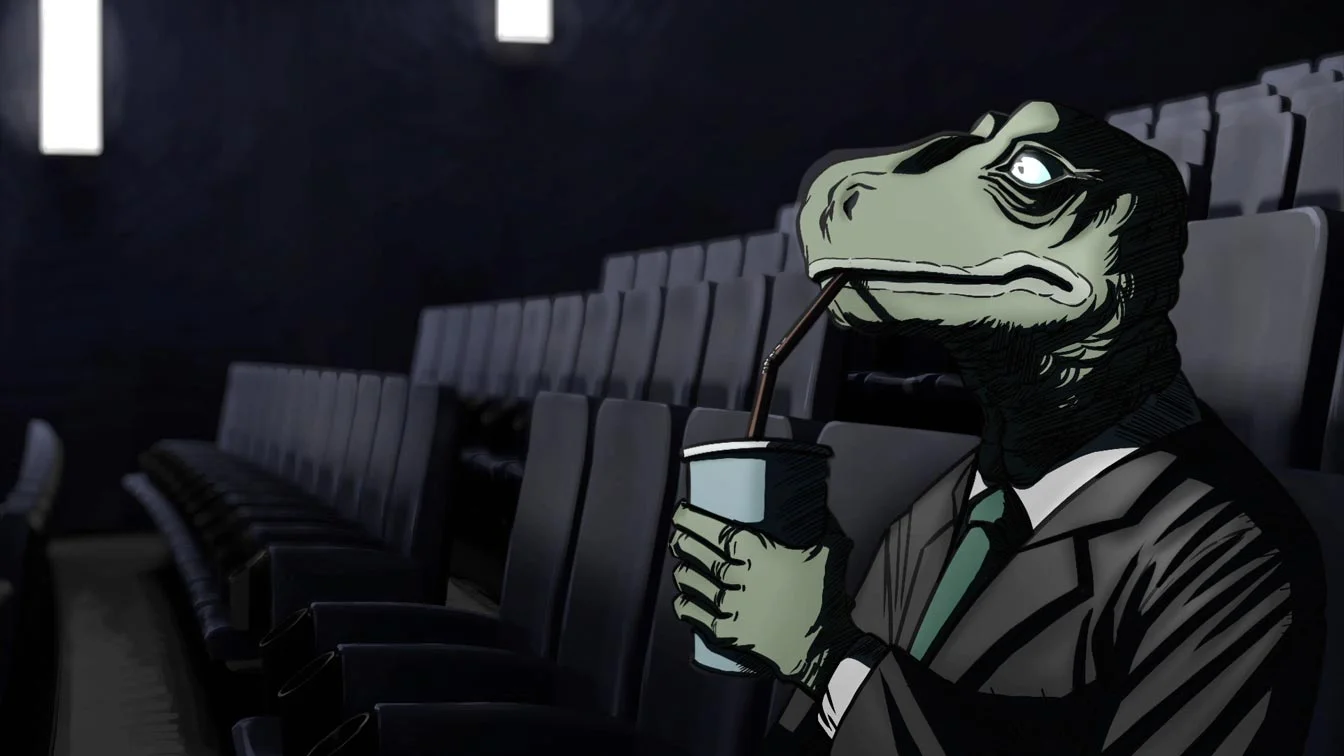
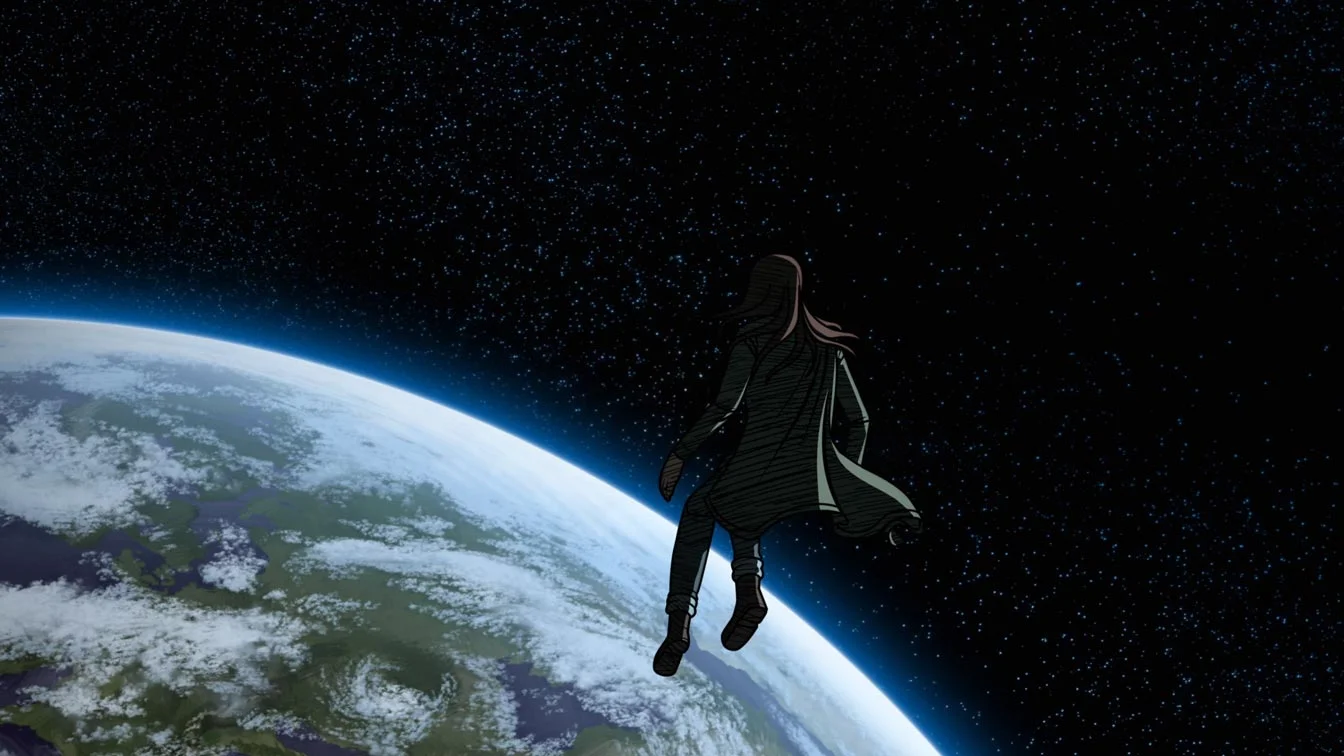
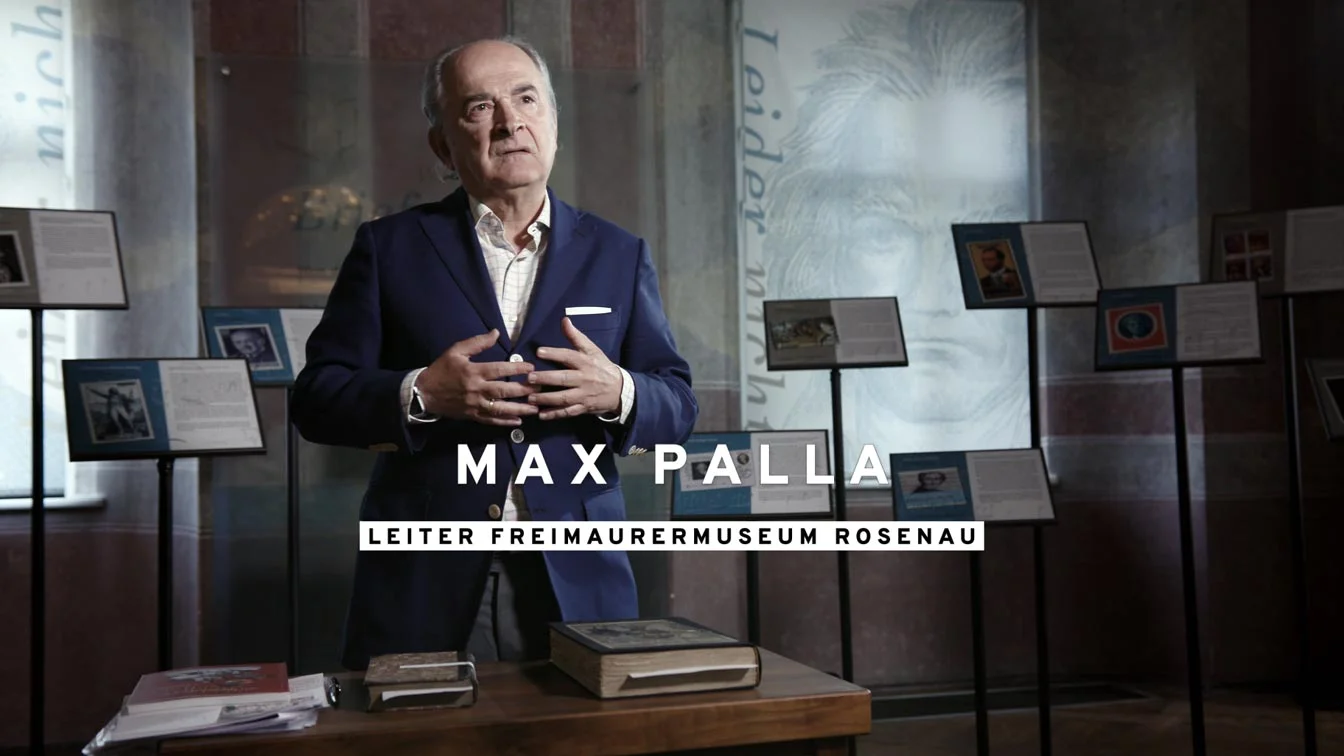
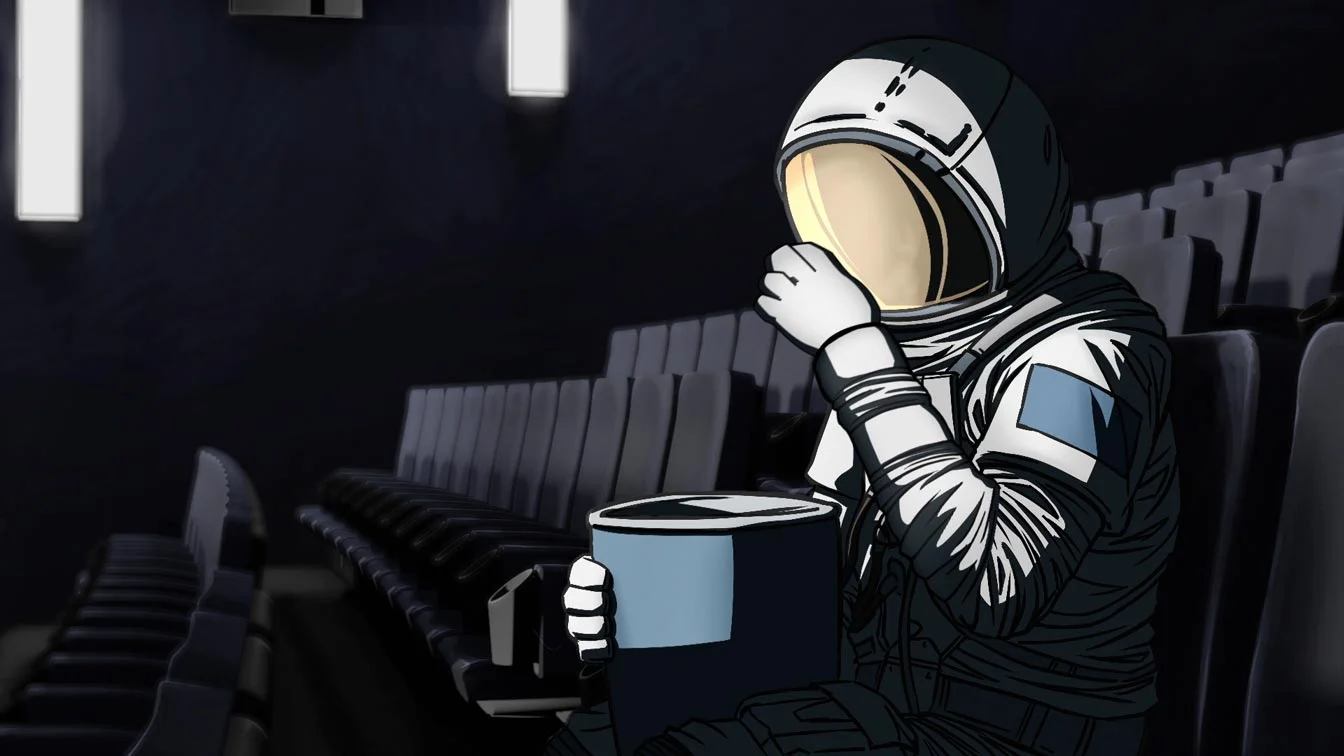
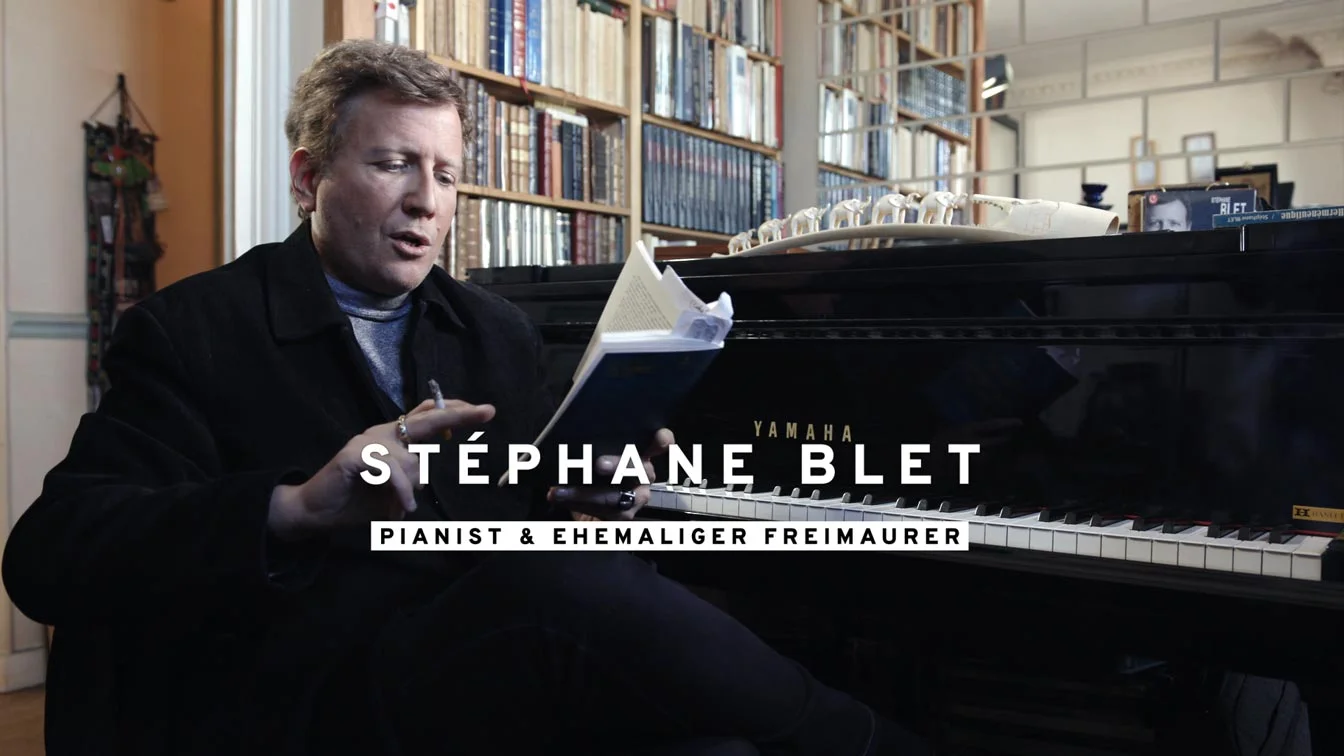
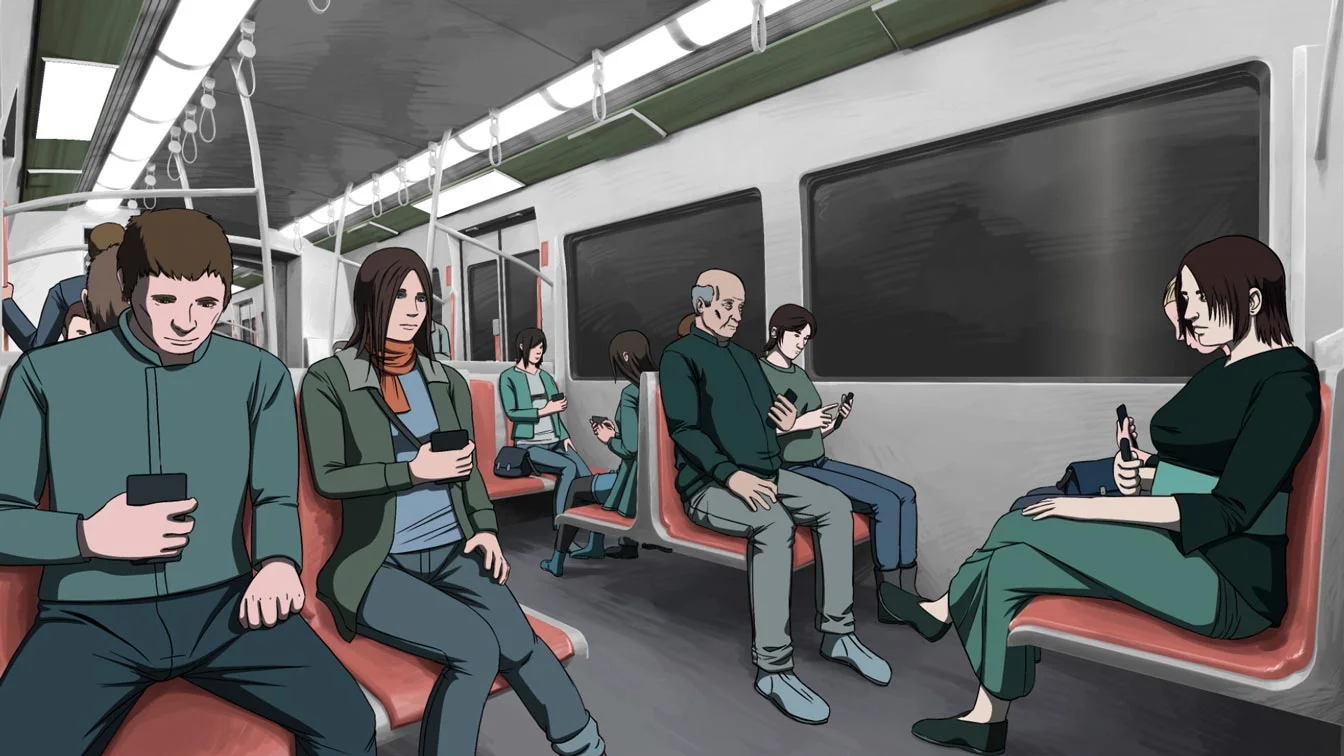
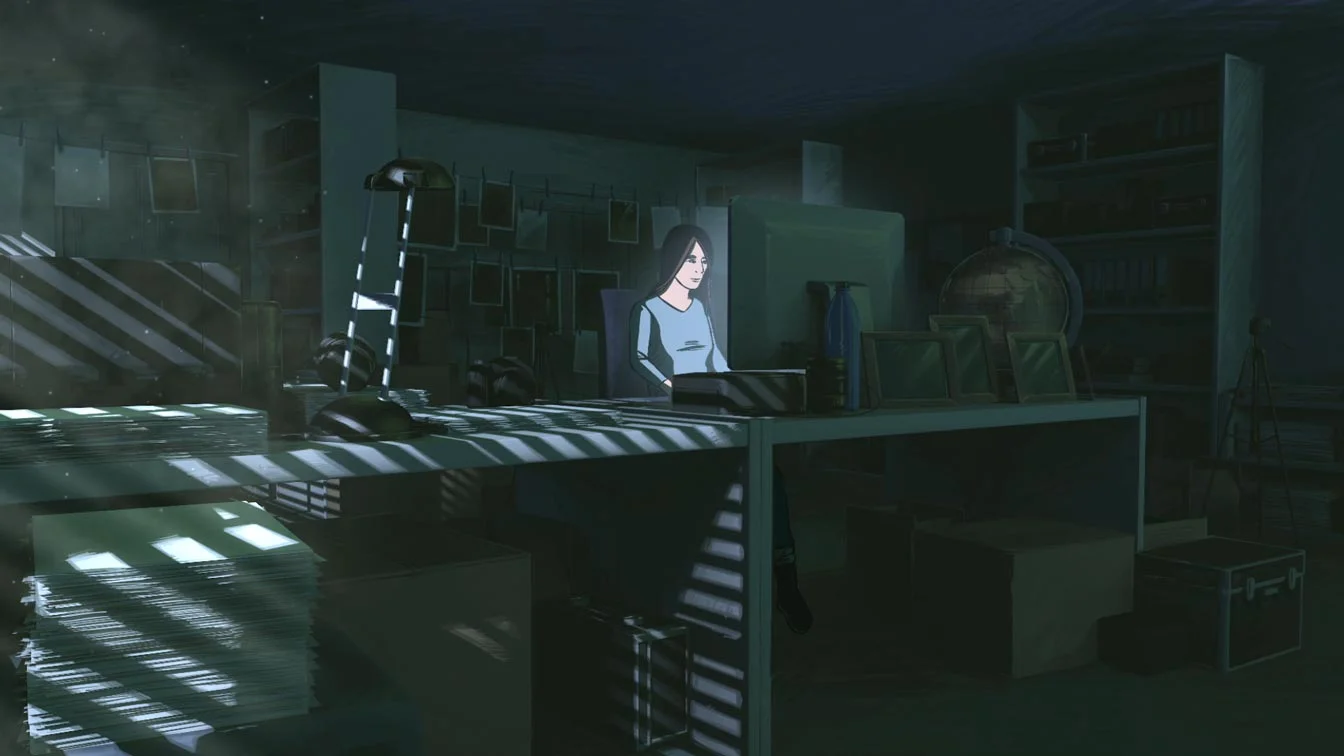
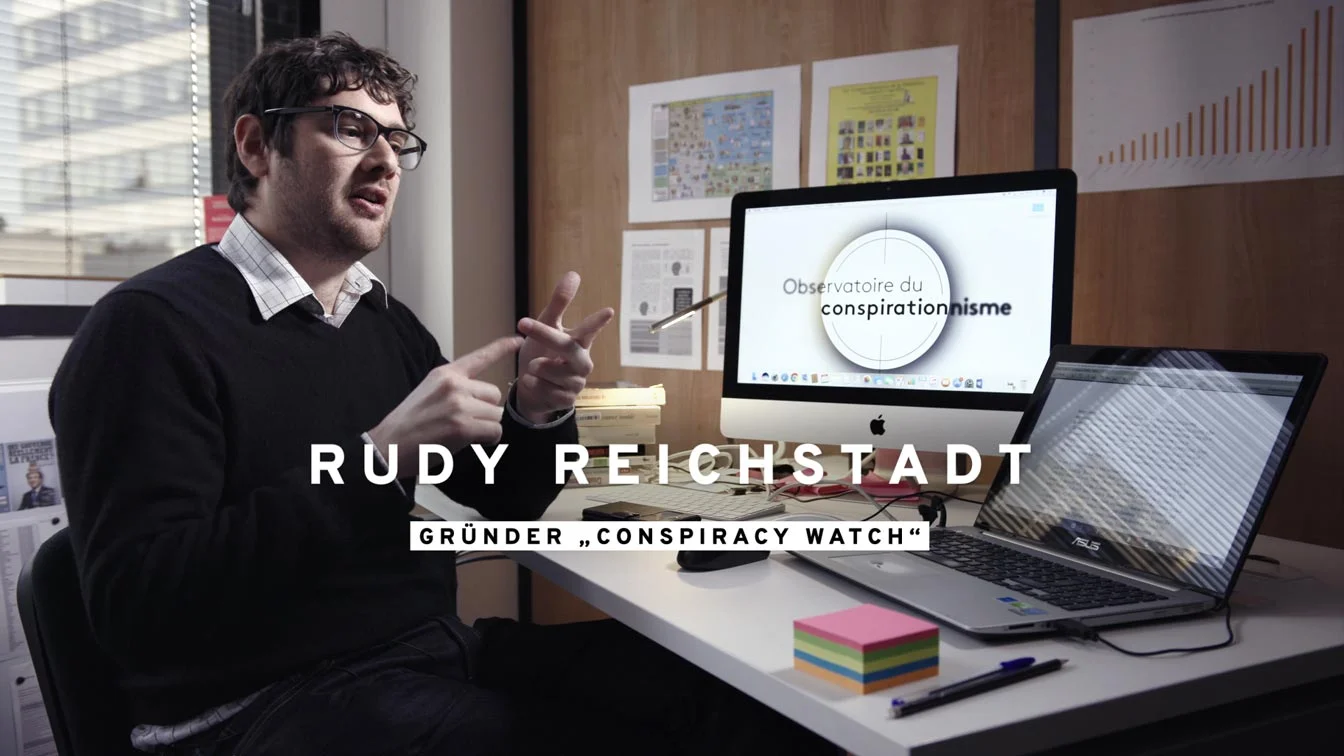
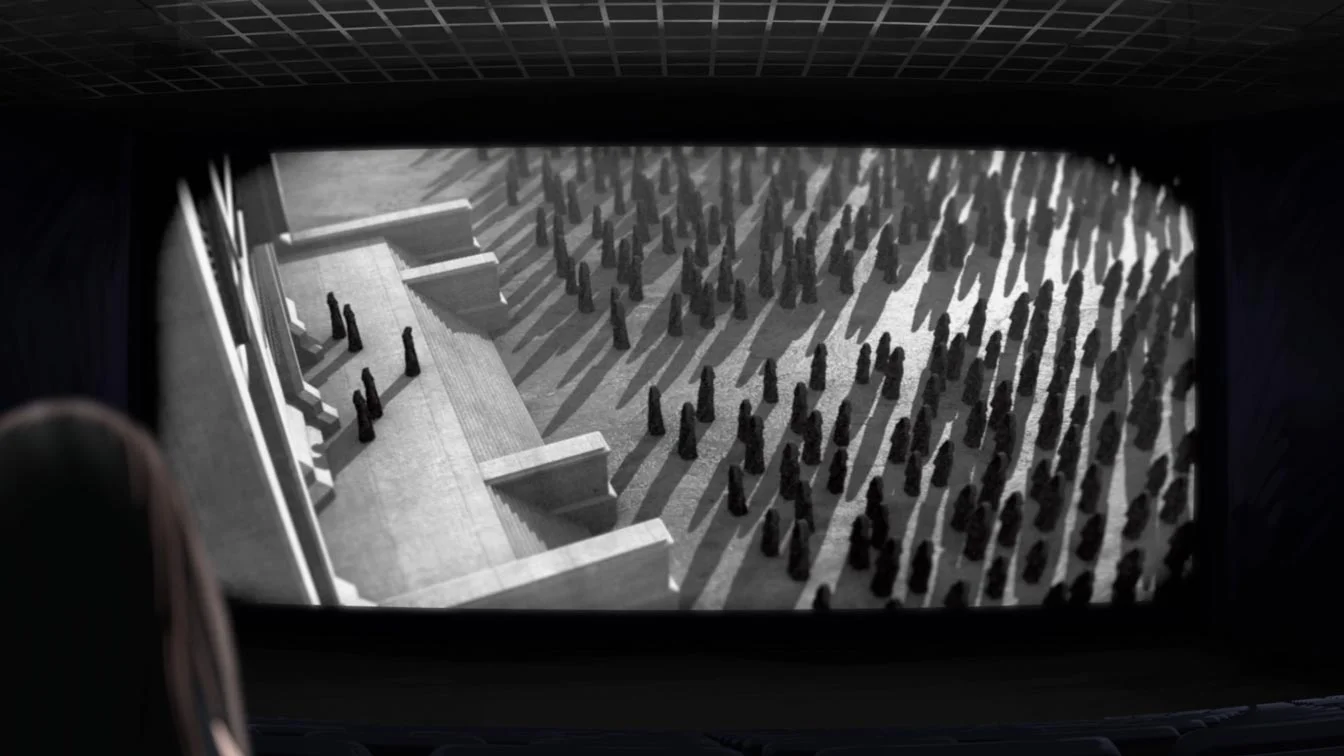
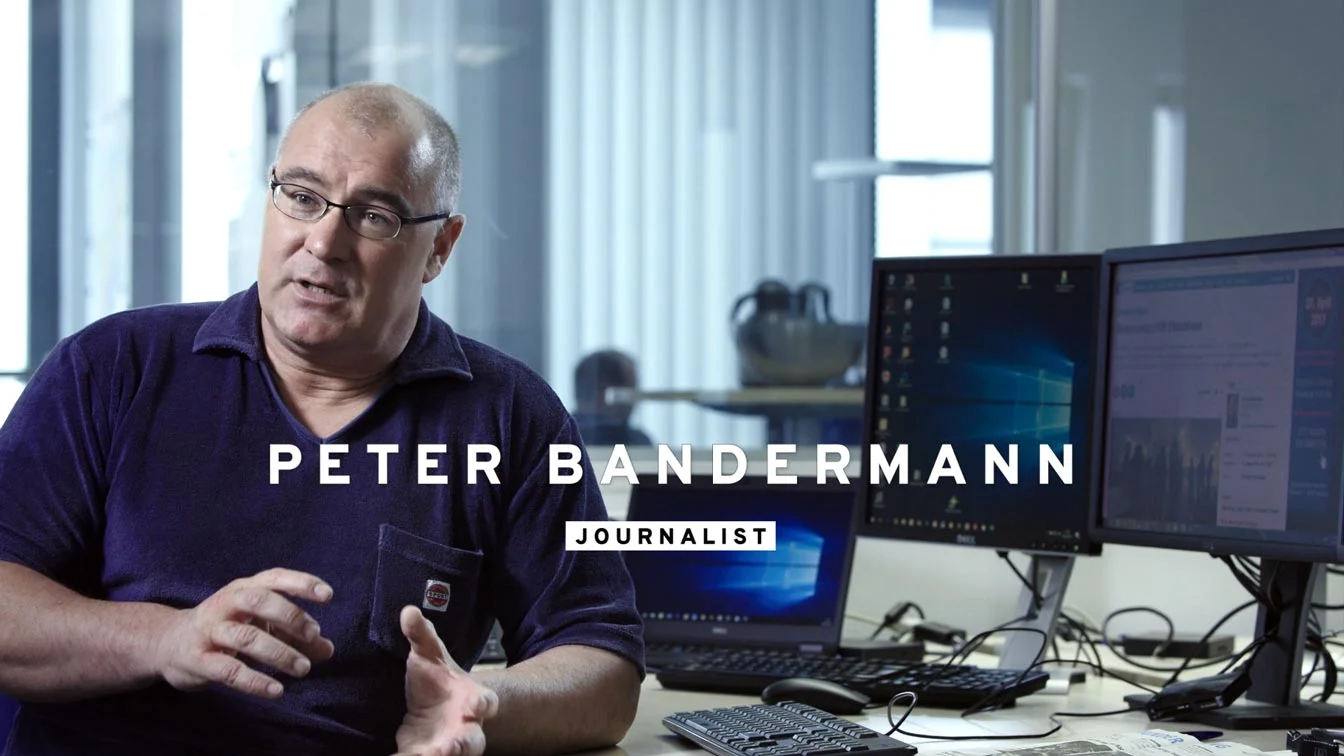
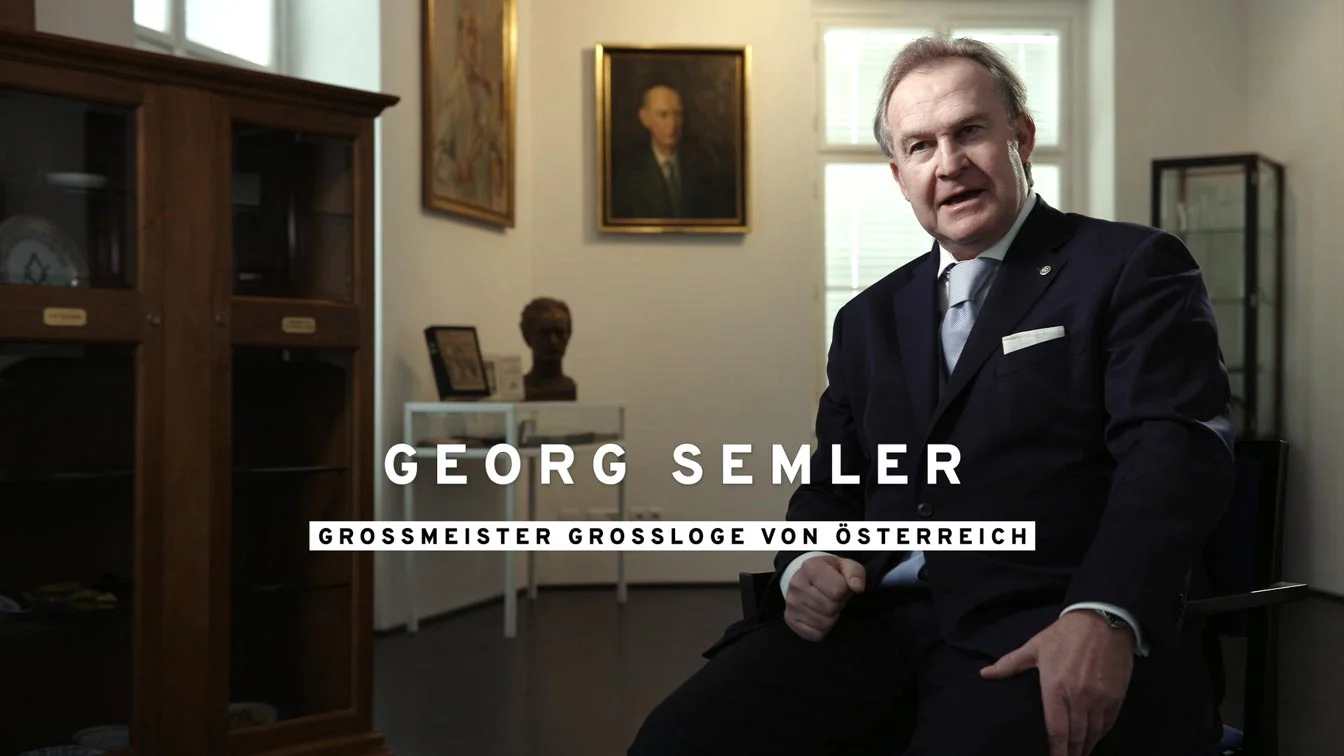
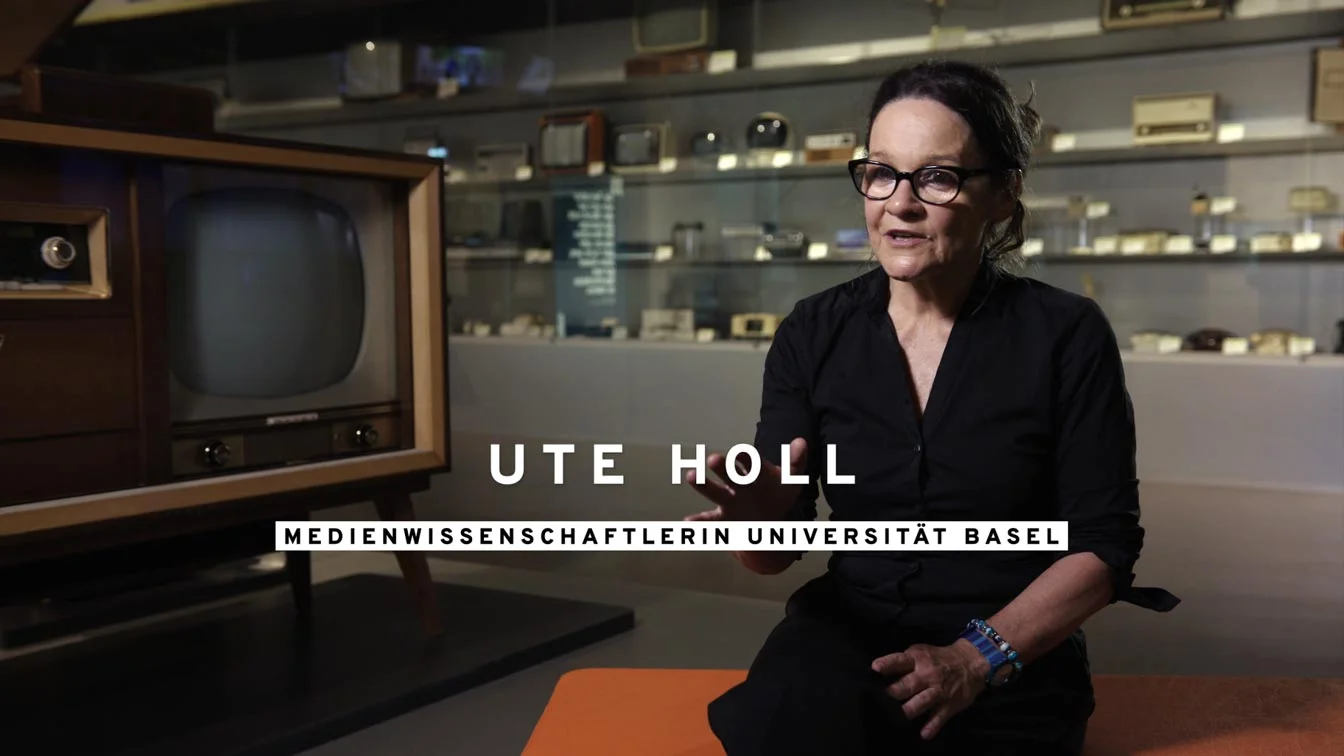
The 70-minute documentary addresses these conspiratorial attempts of explaining the world and asks many questions: How do conspiracy theories and fake news come into existence in the age of social media? How are they distributed and who profits from them? What do they tell us about ourselves and the time we live in? In search of answers, leading conspiracy theorists, historians, philosophers, psychologists, network theorists and fake news producers are visited in numerous locations like Paris, Vienna, New York and Skopje and placed into a dialectic discourse. Several animatic sequences and an ambient soundtrack provide the film with an exceptional arc of suspense.
Franz Grabner Award for Best TV Documentary 2018:
Die Weltherrschaft by Fritz Ofner
From the Jury’s Statement:
“The winning film in the category of TV Documentary addresses one of the central issues of our time: how we deal with news, the desire for simplification, and the search for truth in an increasingly complex world. It approaches this topic in a way that is not only innovative and enlightening, but also courageous in its willingness to present contradictory, even opposing viewpoints side by side.
In doing so, the film leaves it to the viewers to navigate these perspectives and empowers the audience to sharpen its awareness of manipulation, prejudice, conspiracy theories, fear-mongering, and populist rhetoric. This commitment to critical inquiry extends to media self-criticism and self-reflection, while at the same time highlighting the important role that television—and documentary filmmaking in particular—can play in fostering a critical understanding of media discourse.”

Moldova - Lost in Transition
A film by Fritz Ofner and Gerald Knaus
A 2012, 52 min.
Director: Fritz Ofner
Script: Gerald Knaus
Production: NGF – Nikolaus Geyrhalter Filmproduktion GmbH.
In coproduction with: ORF
An initiative of: ERSTE Stiftung
In cooperation with: ESI – European Stability Initiative
With support of: Fernsehfonds Austria / RTR
Part of ORF’s BALKAN EXPRESS documentary series:
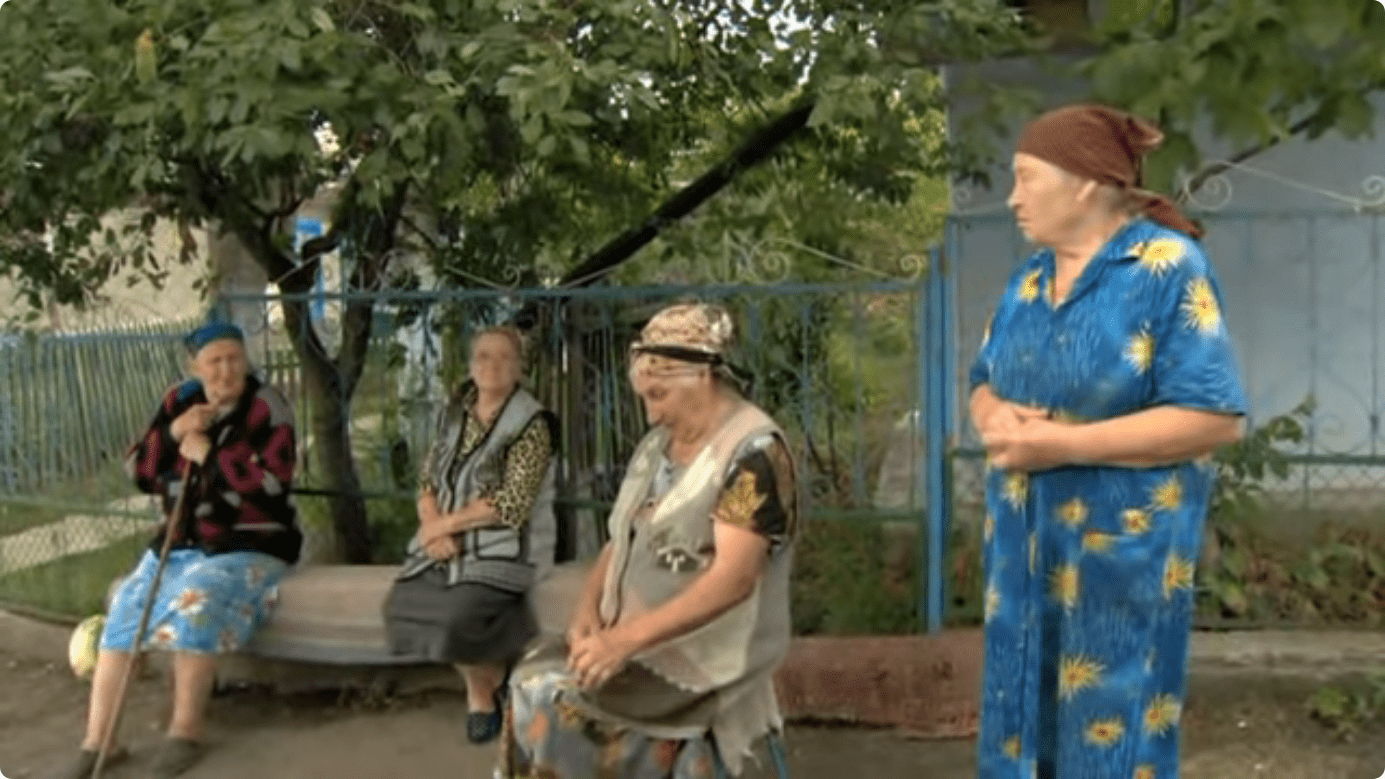
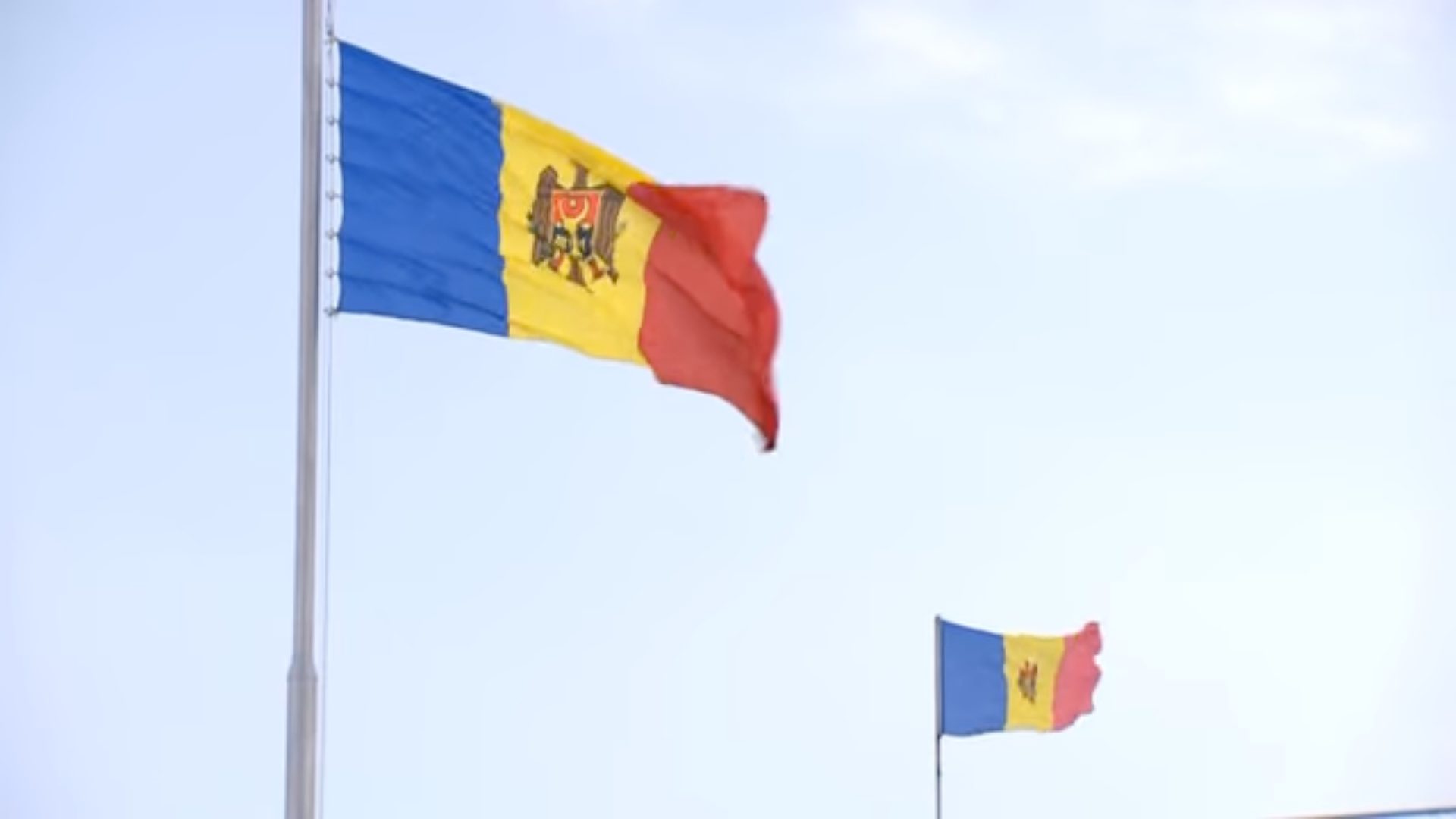
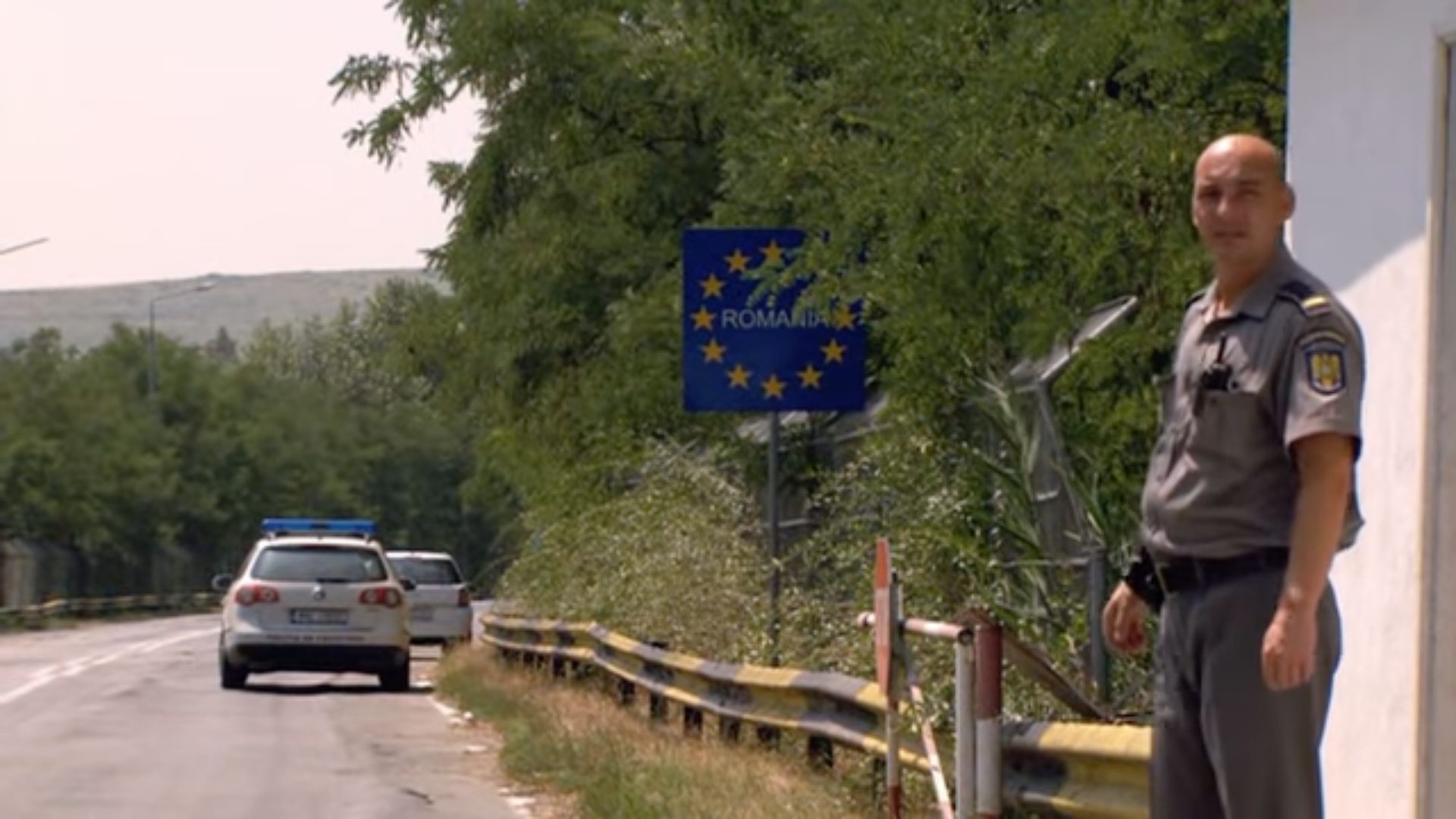
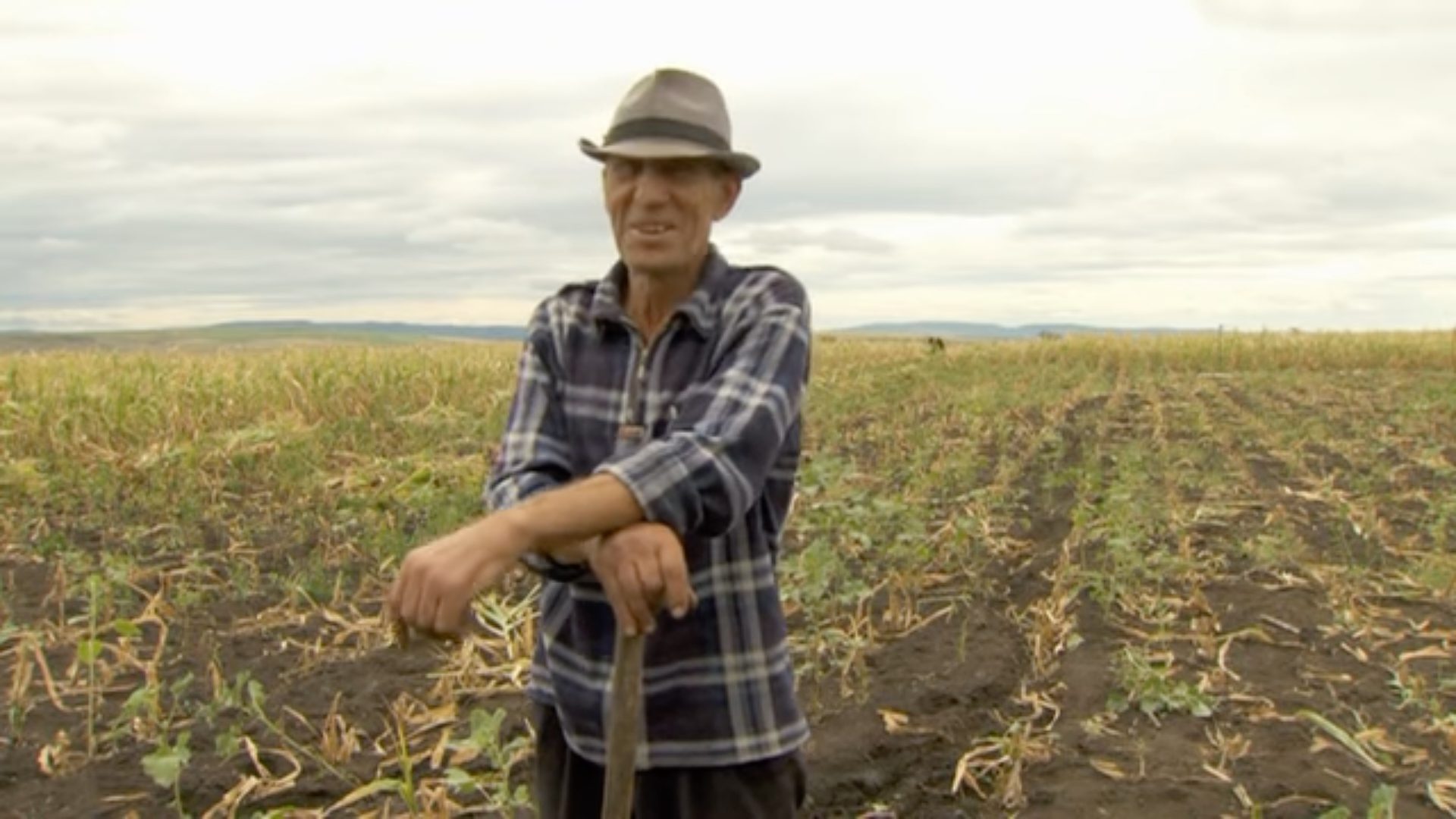
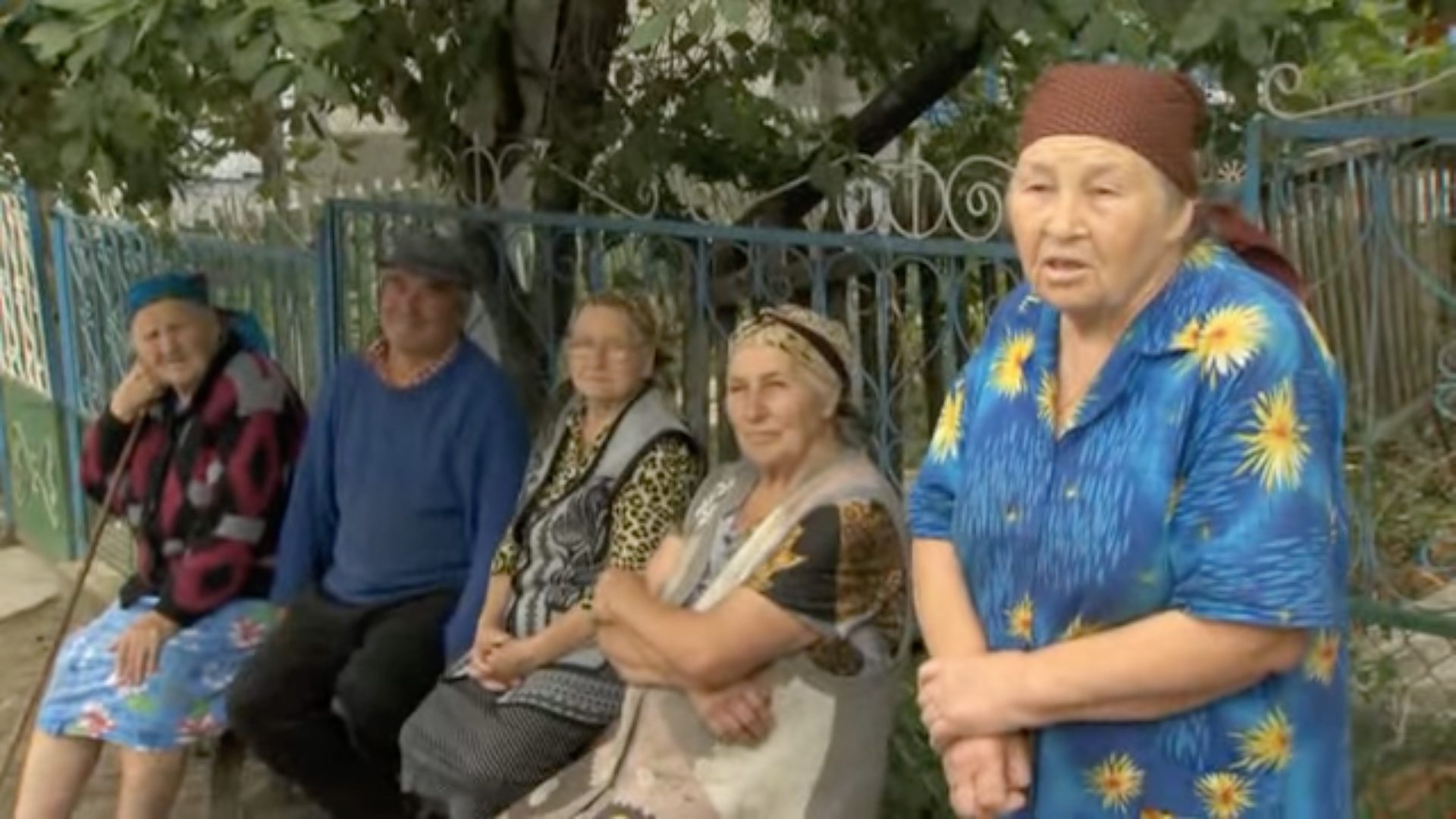
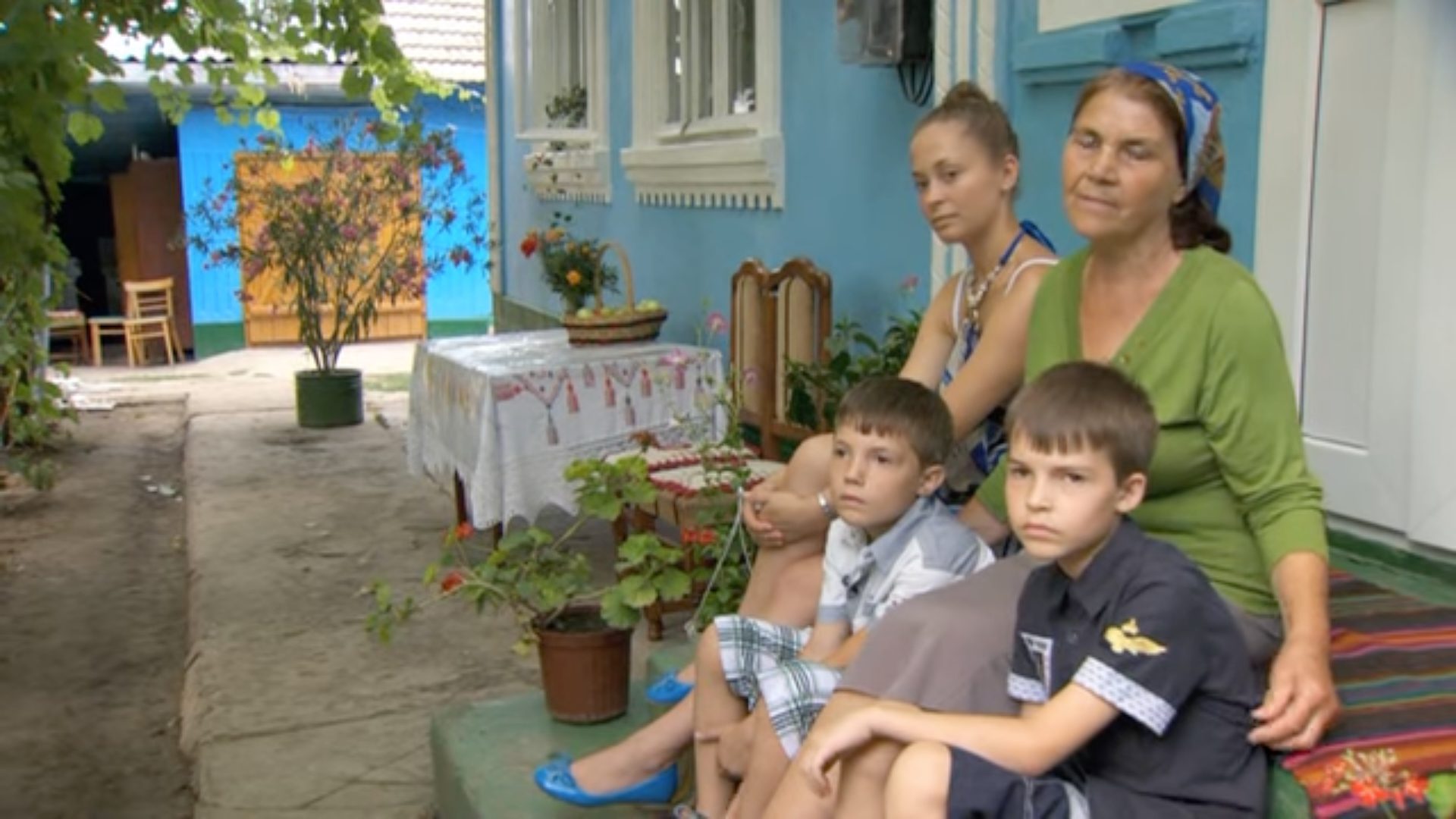
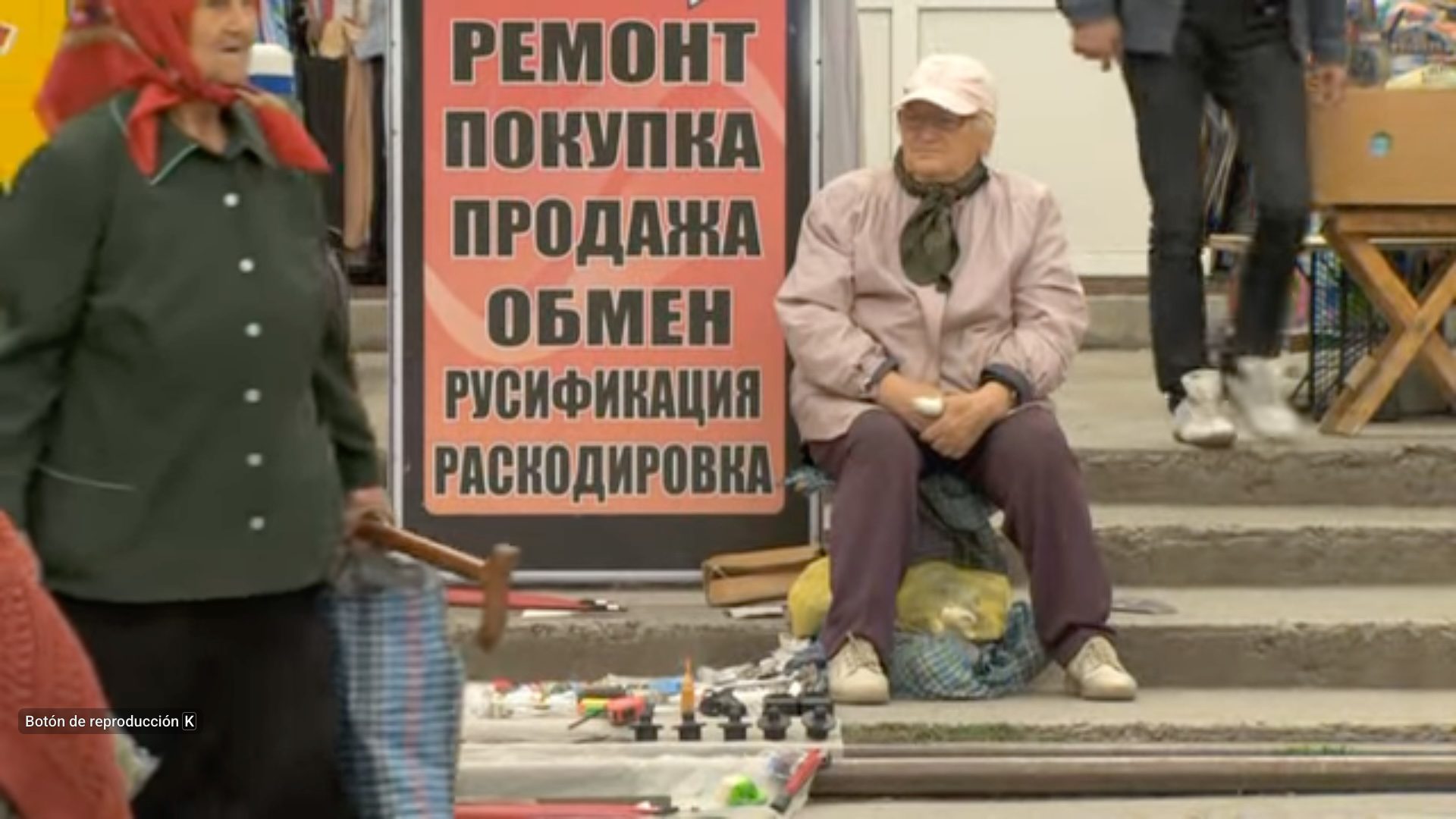
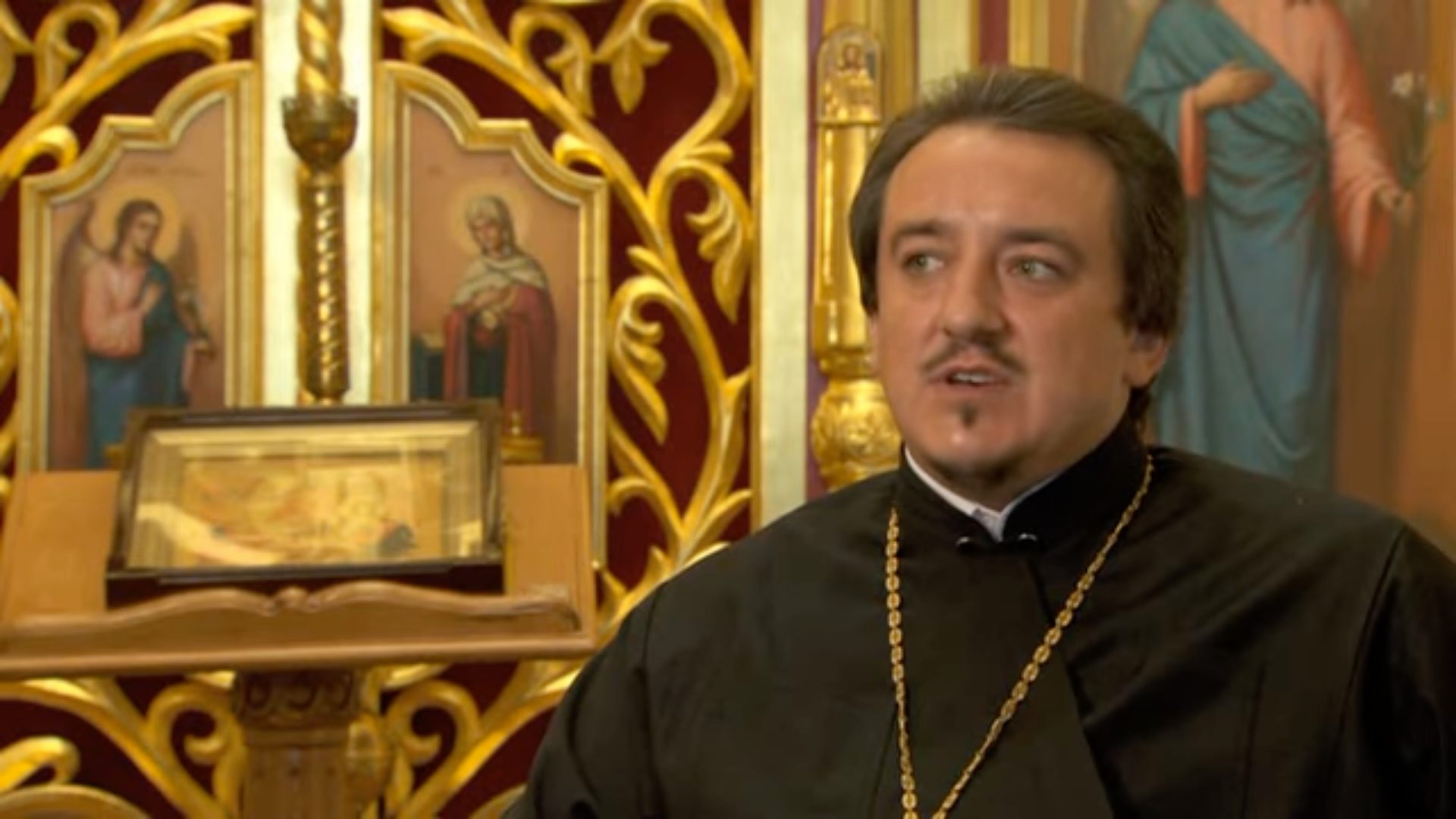
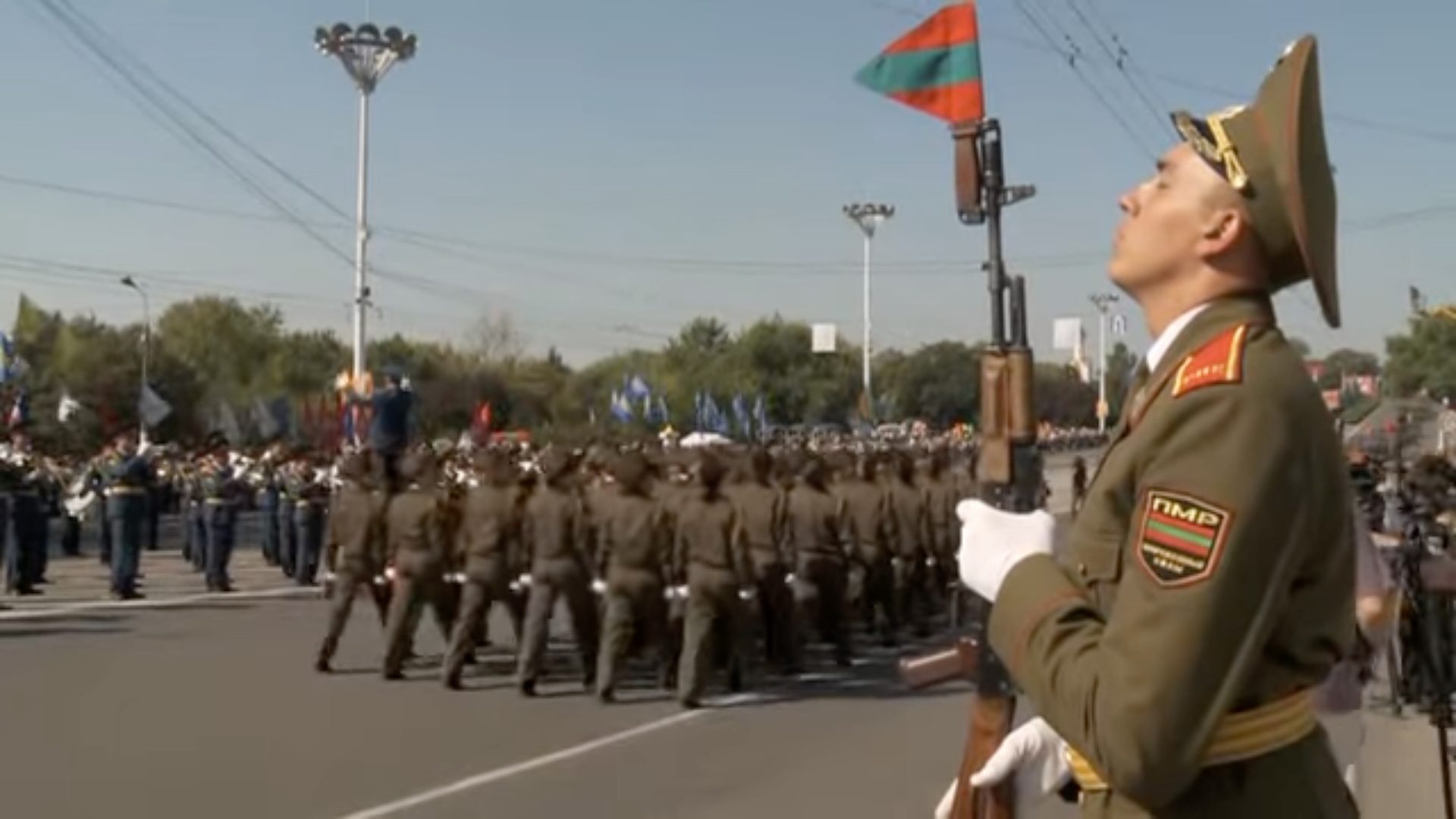
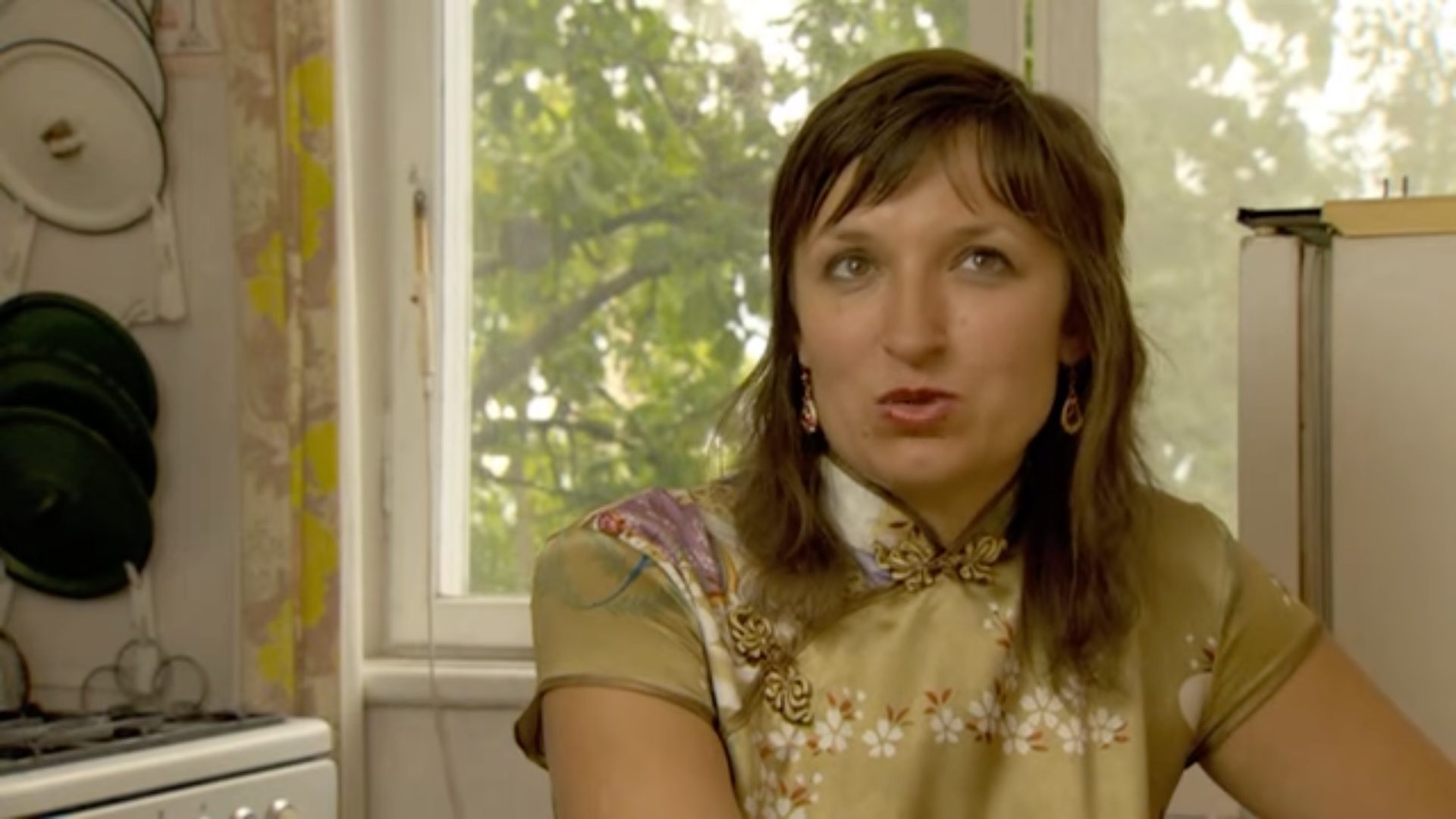
MOLDOWA – LOST IN TRANSITION is a portrait of Moldava, Europe’s poorest country, and its struggle to find an autonomous identity somewhere between the EU and Russia.
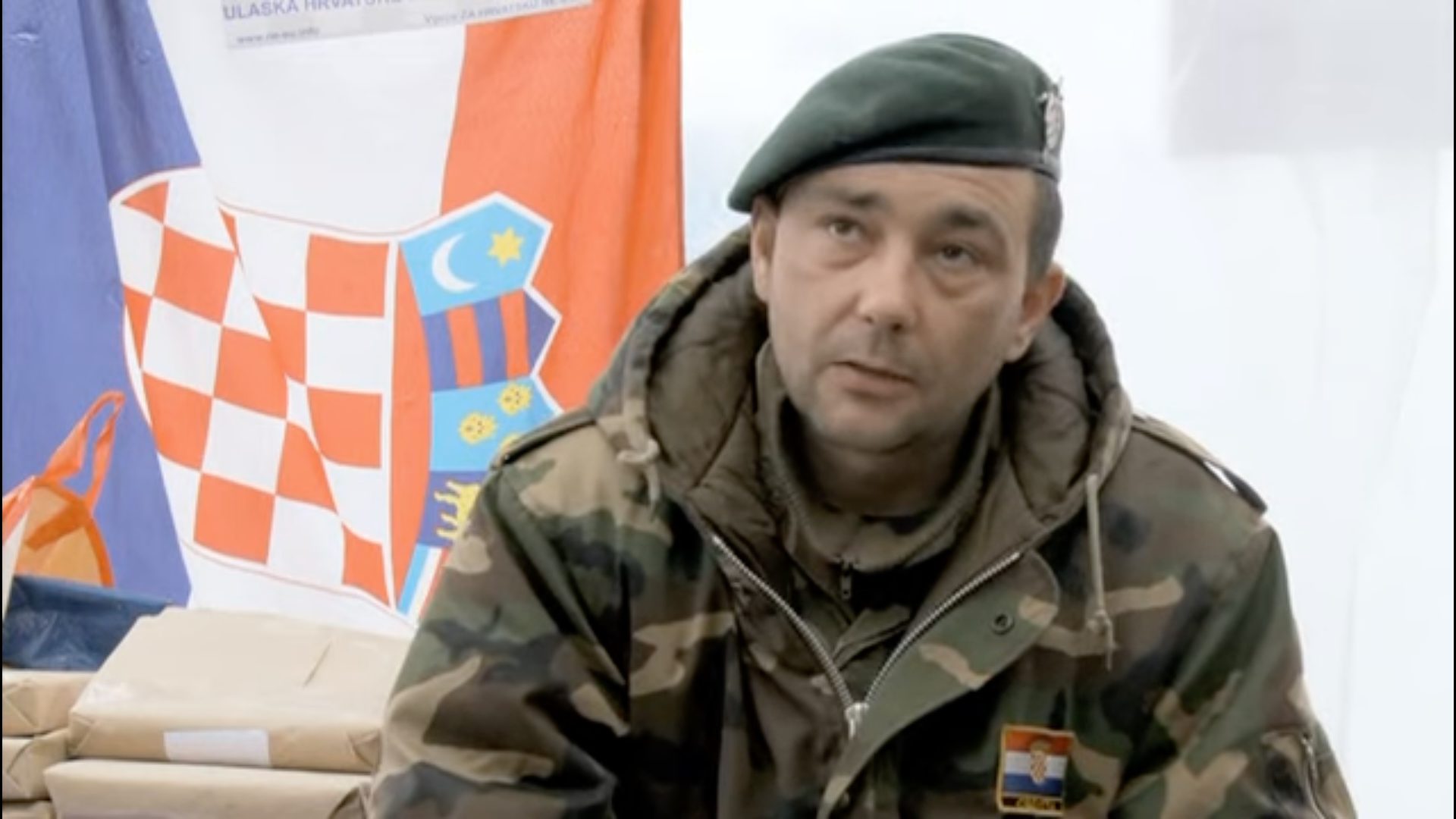
Croatia, Europe and the Twilight of Heroes
A film by Fritz Ofner and Gerald Knaus
A 2012, 52 min.
Director: Fritz Ofner
Script: Gerald Knaus
Production: NGF – Nikolaus Geyrhalter Filmproduktion GmbH
In coproduction with: ORF
An initiative of: ERSTE Stiftung in cooperation with ESI (European Stability Initiative).
With support of: Fernsehfonds Austria / RTR
Part of ORF’s BALKAN EXPRESS documentary series:
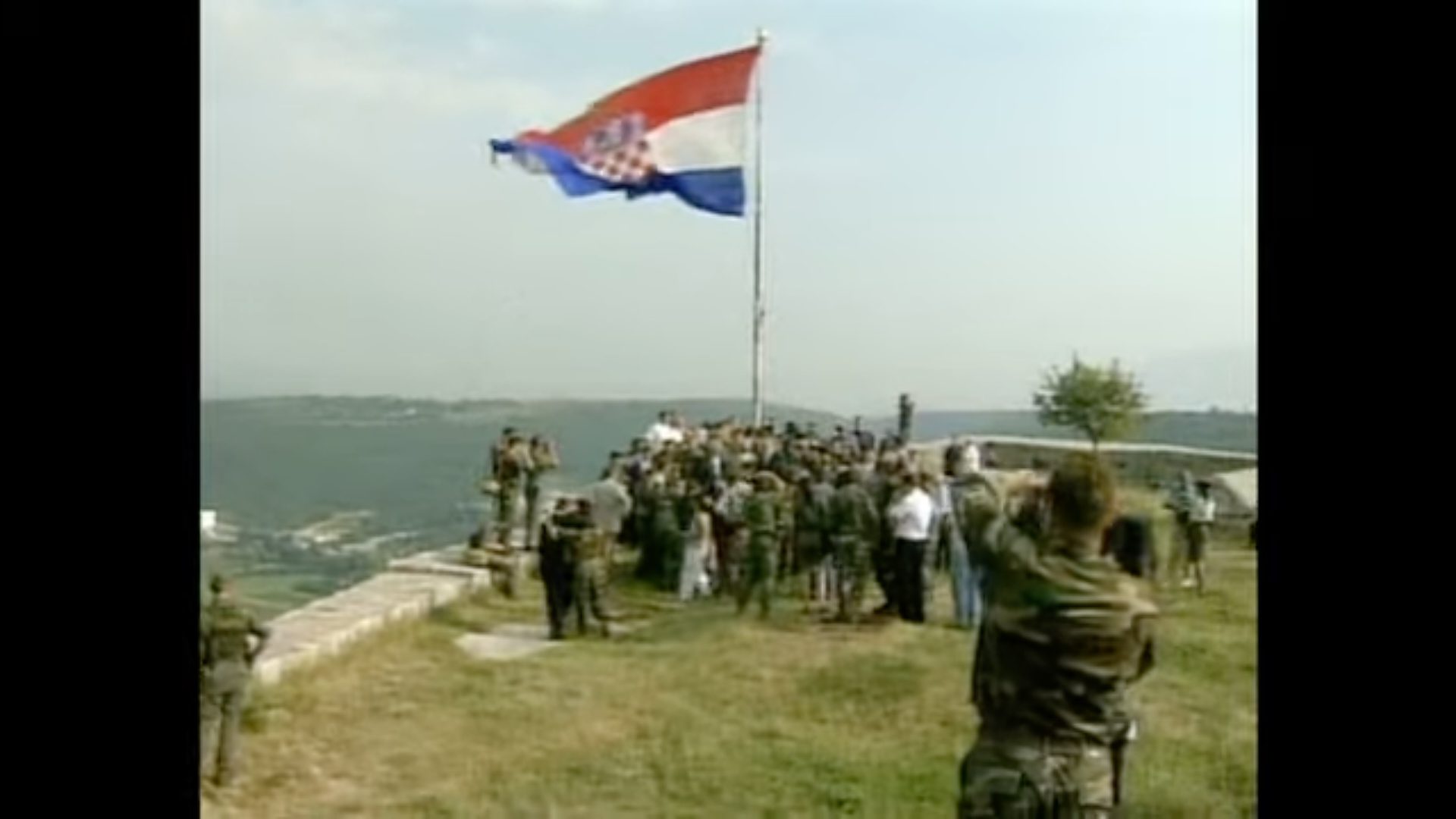
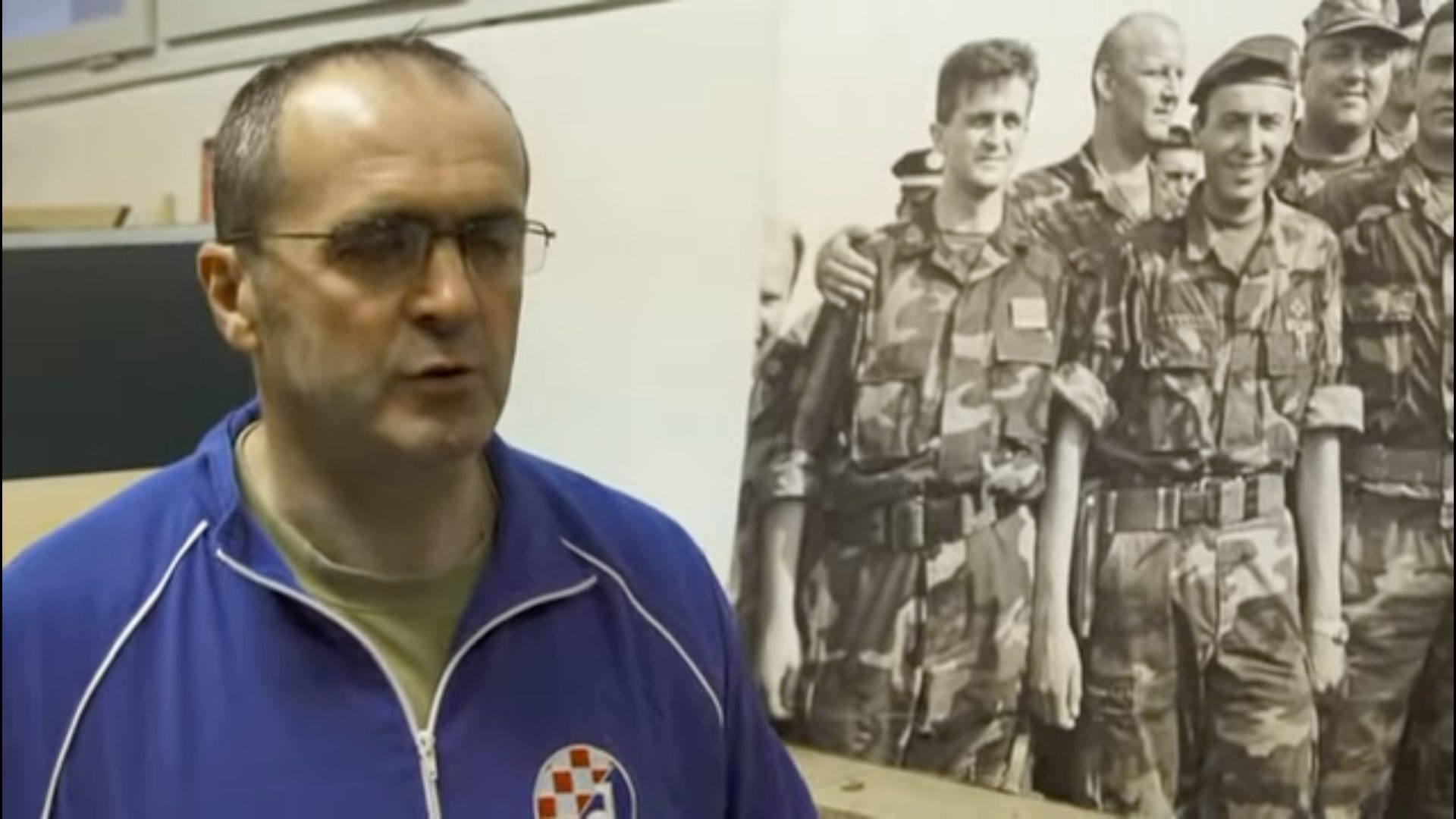
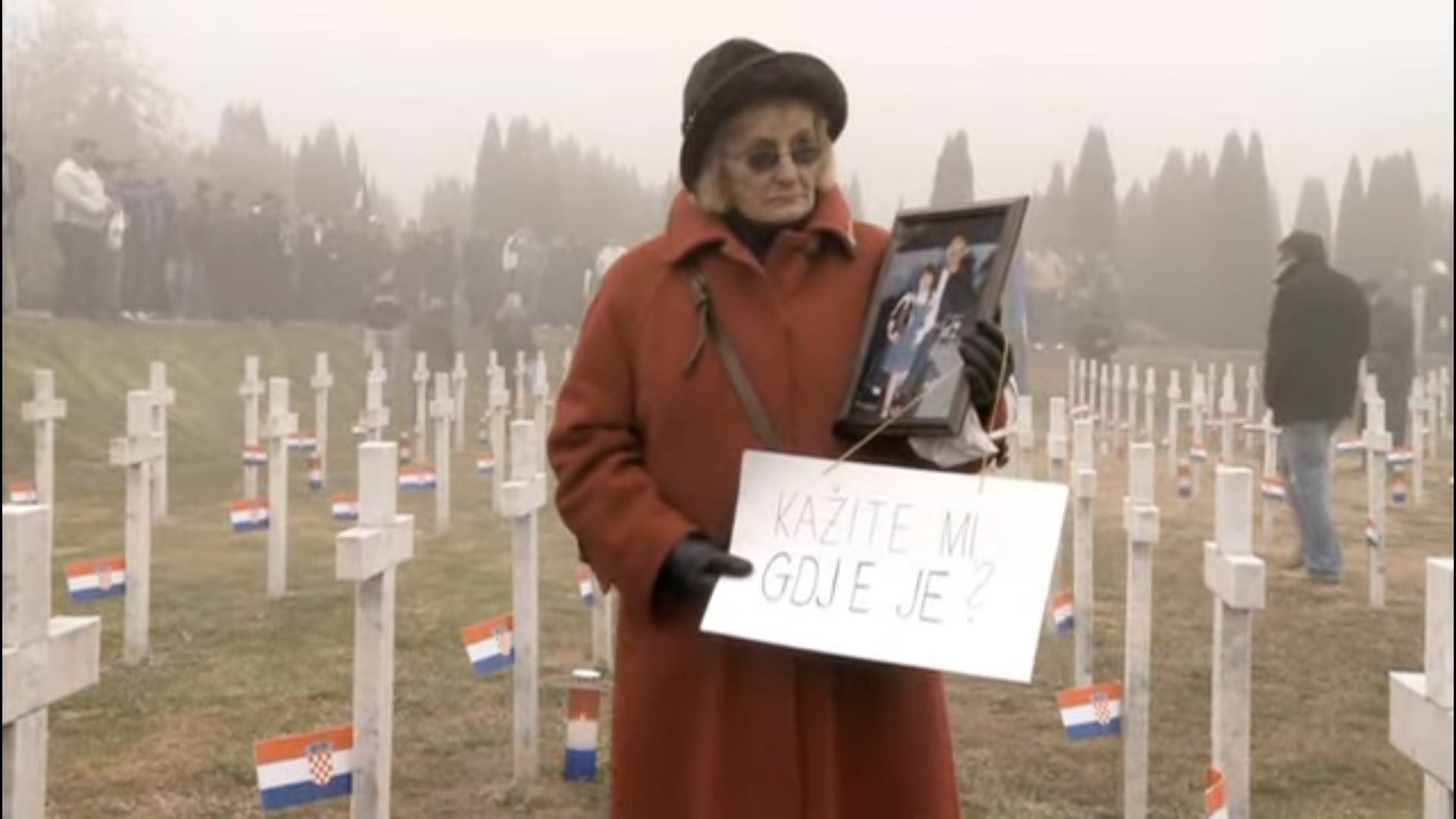
After Yugoslavia’s breakup, Croatia was torn apart by fighting, and Serbian troops occupied a considerable portion of the country’s territory. Croatian forces were then able to retake it by 1995, and the country was considered a victor of the war. A caste of politicians around President Tudjman made him out to be the father of the nation.
But just a short time later, the reality of Europe caught up with the war heroes: The international court in The Hague brought charges for war crimes and large-scale expulsions of the Serbian population, and extradition of the responsible parties was made the main criterion for Croatian EU membership.
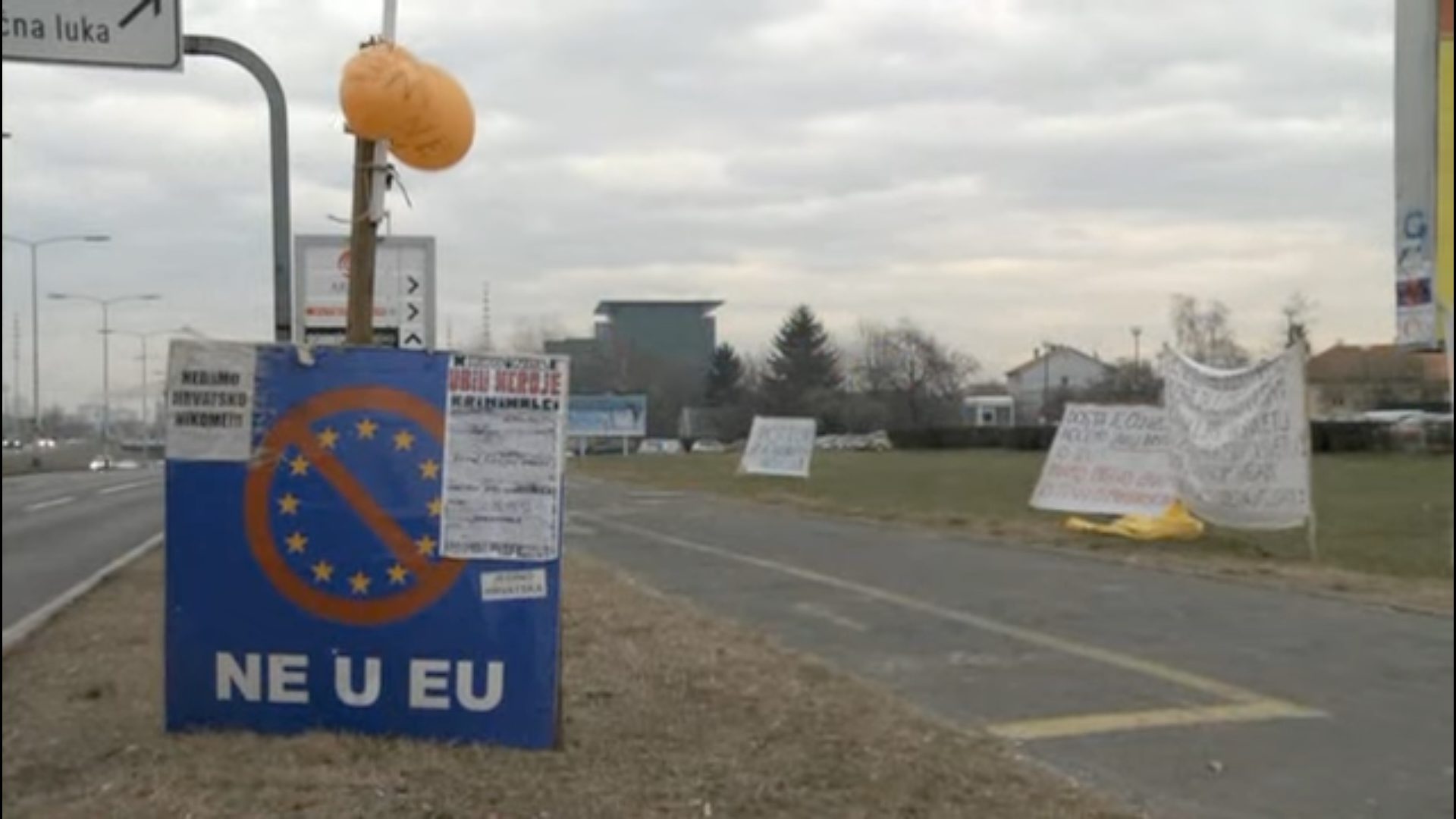
The film tells the story of these godfathers of the nation – and how the forces working for a civil society struggle to deal with this blood-stained past.