
A documentary by Fritz Ofner
D/A 2010, 29 Minutes
Color, 16:9, Arabic/English OV with German subtitles
Writer, Director and DoP: Fritz Ofner
Sound: D.C. Tong
Editing: Dieter Pichler
Producer: Sabine Moser, Oliver Neumann
Production: Freibeuter Film on behalf of ZDF/3sat
Editorial work: Katya Mader
First run: December 2010
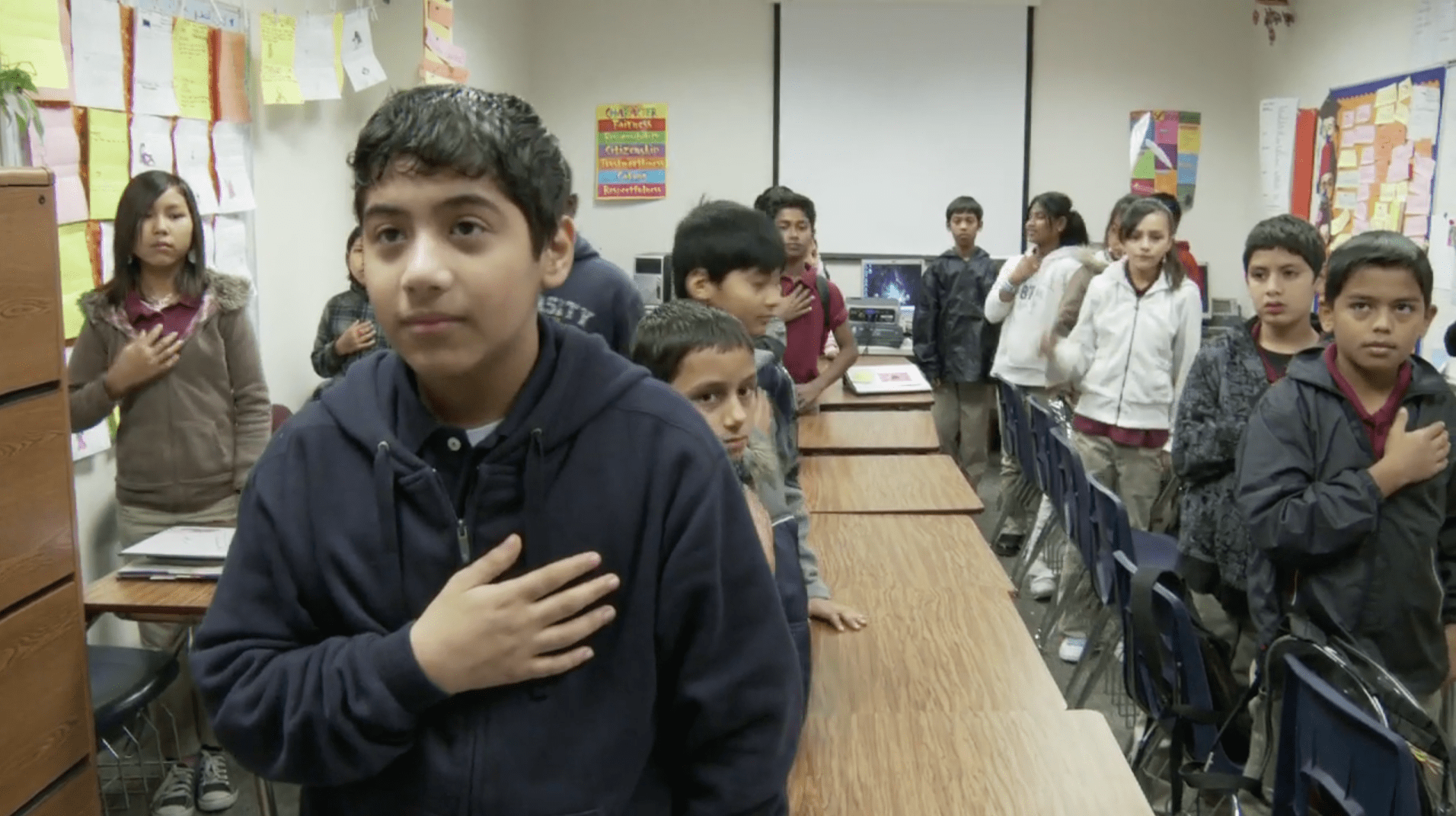
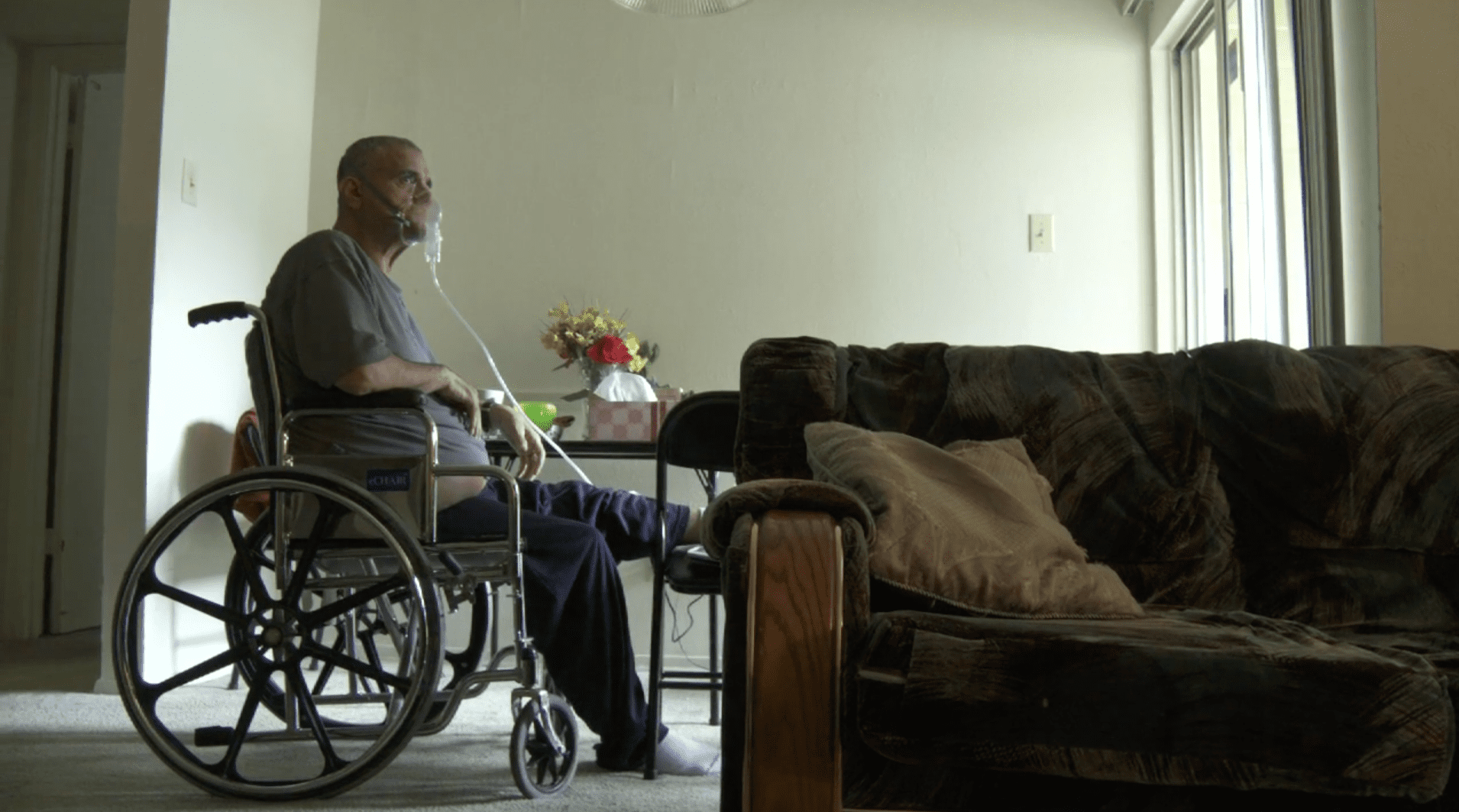
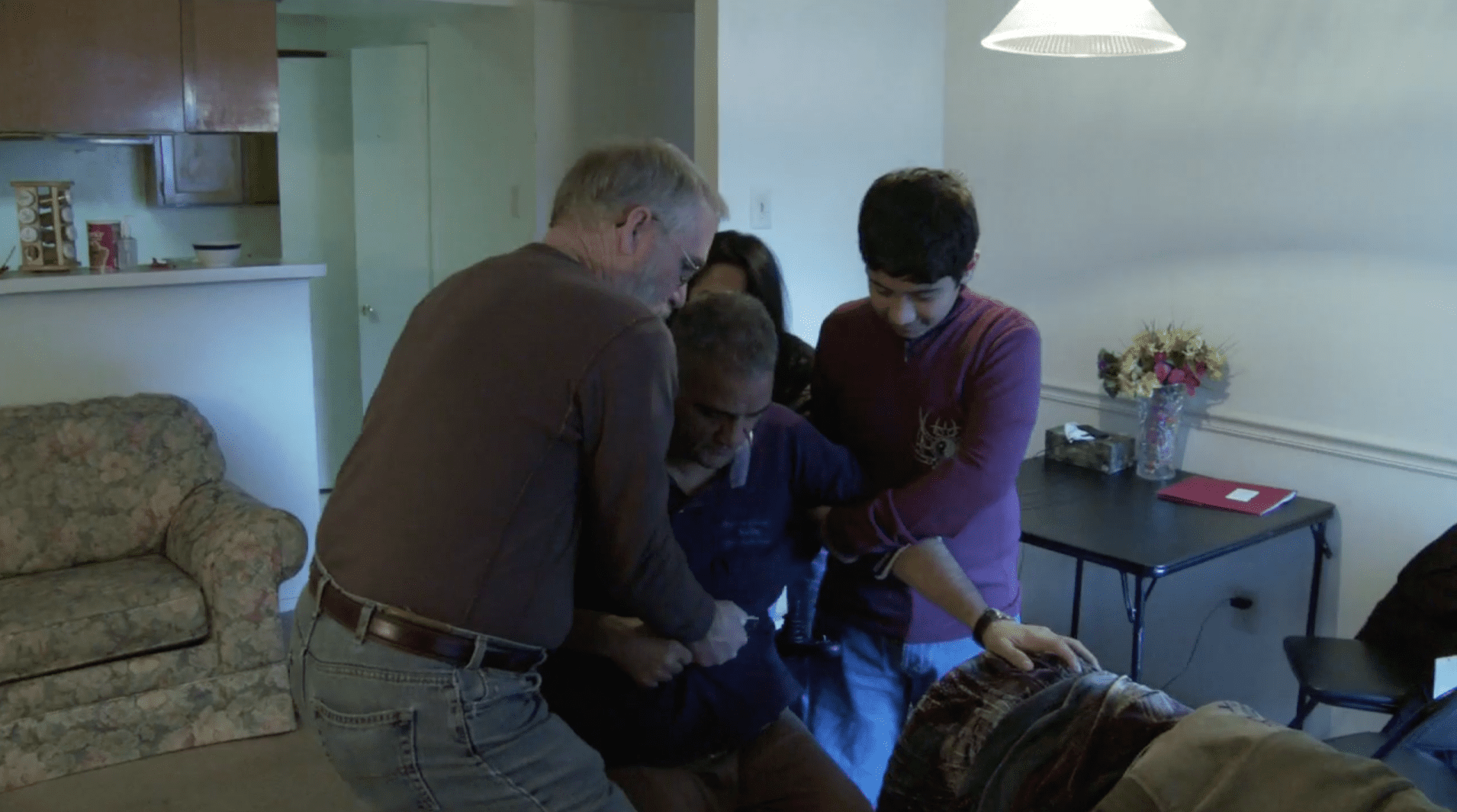
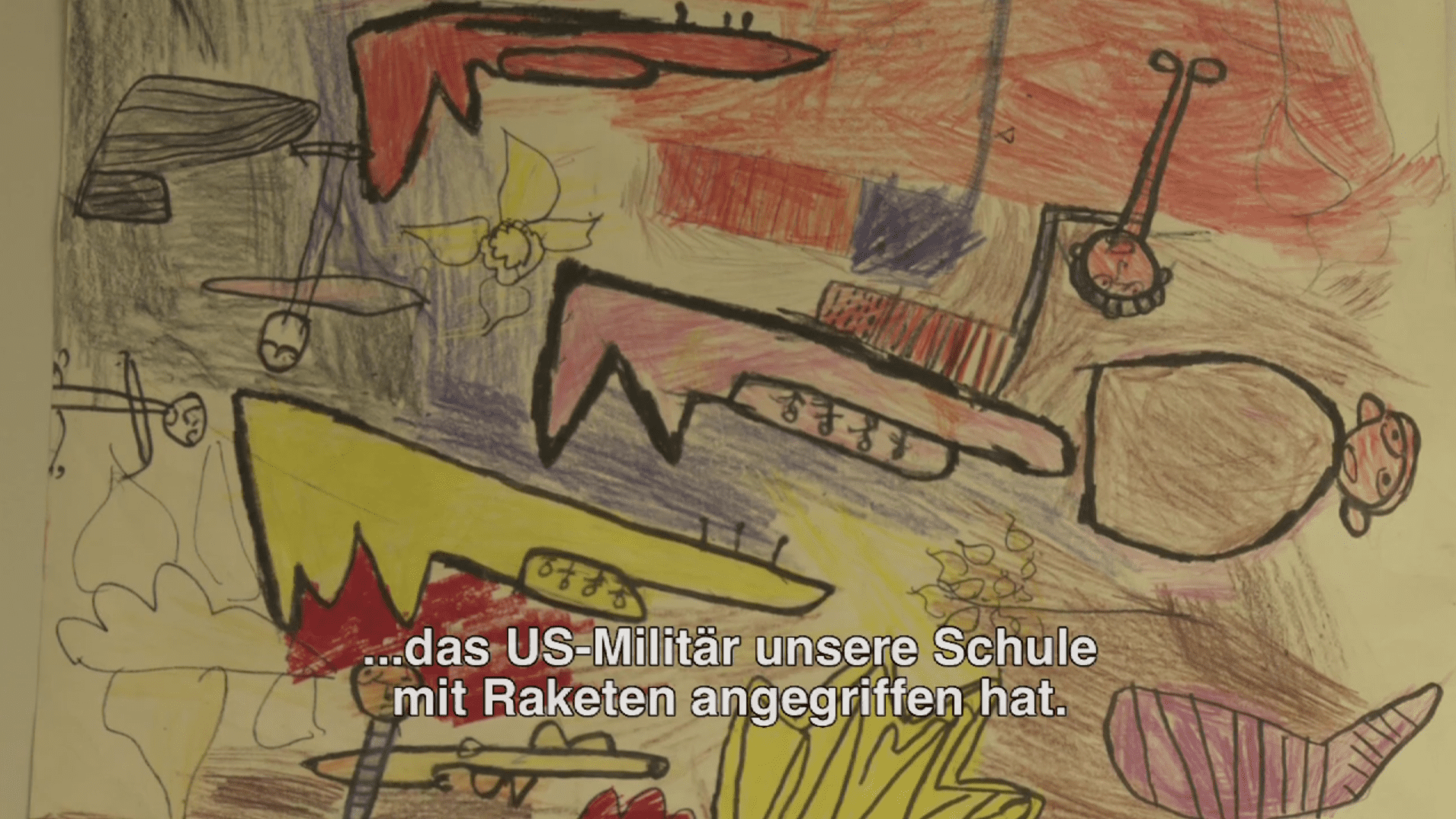
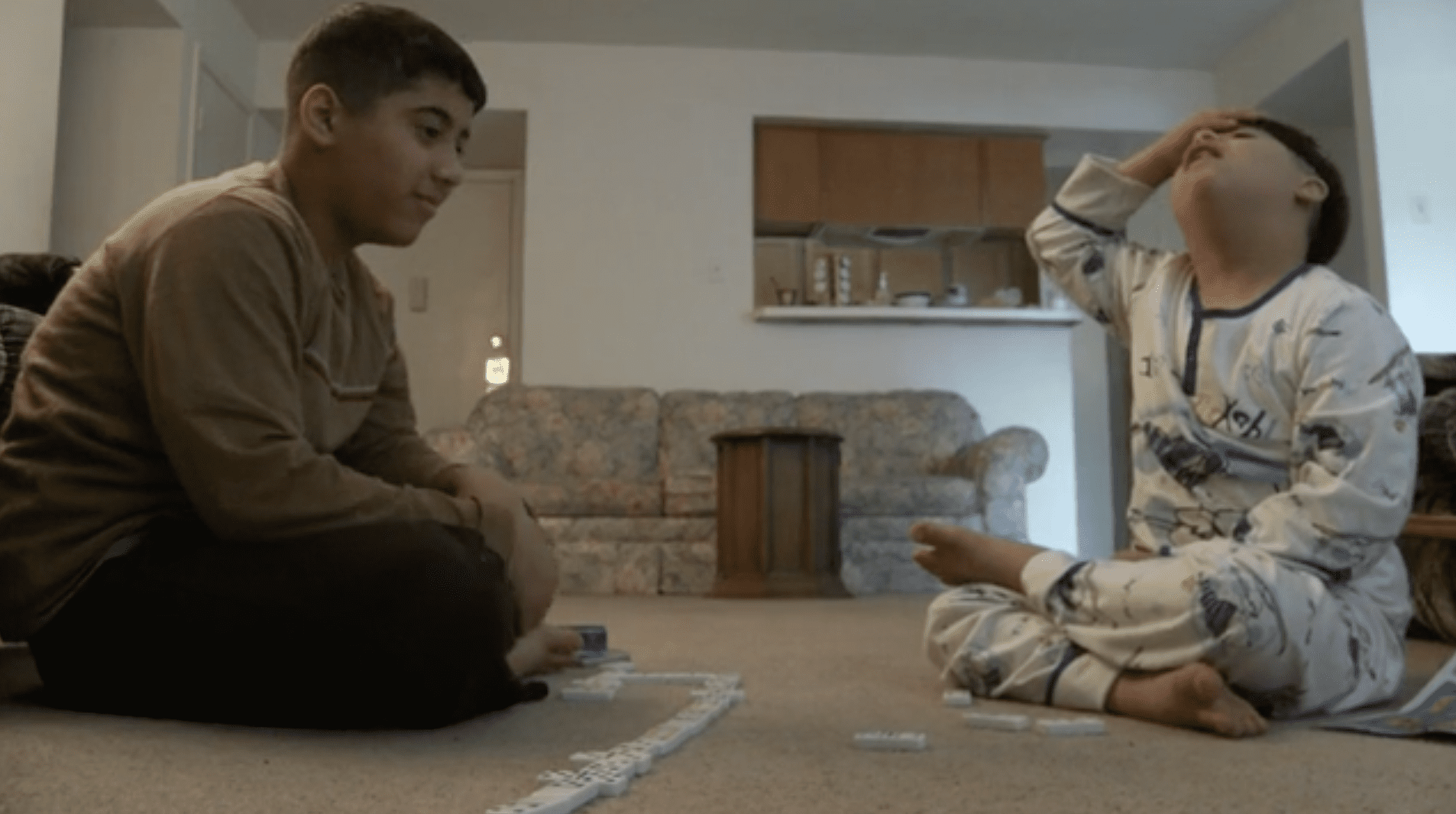
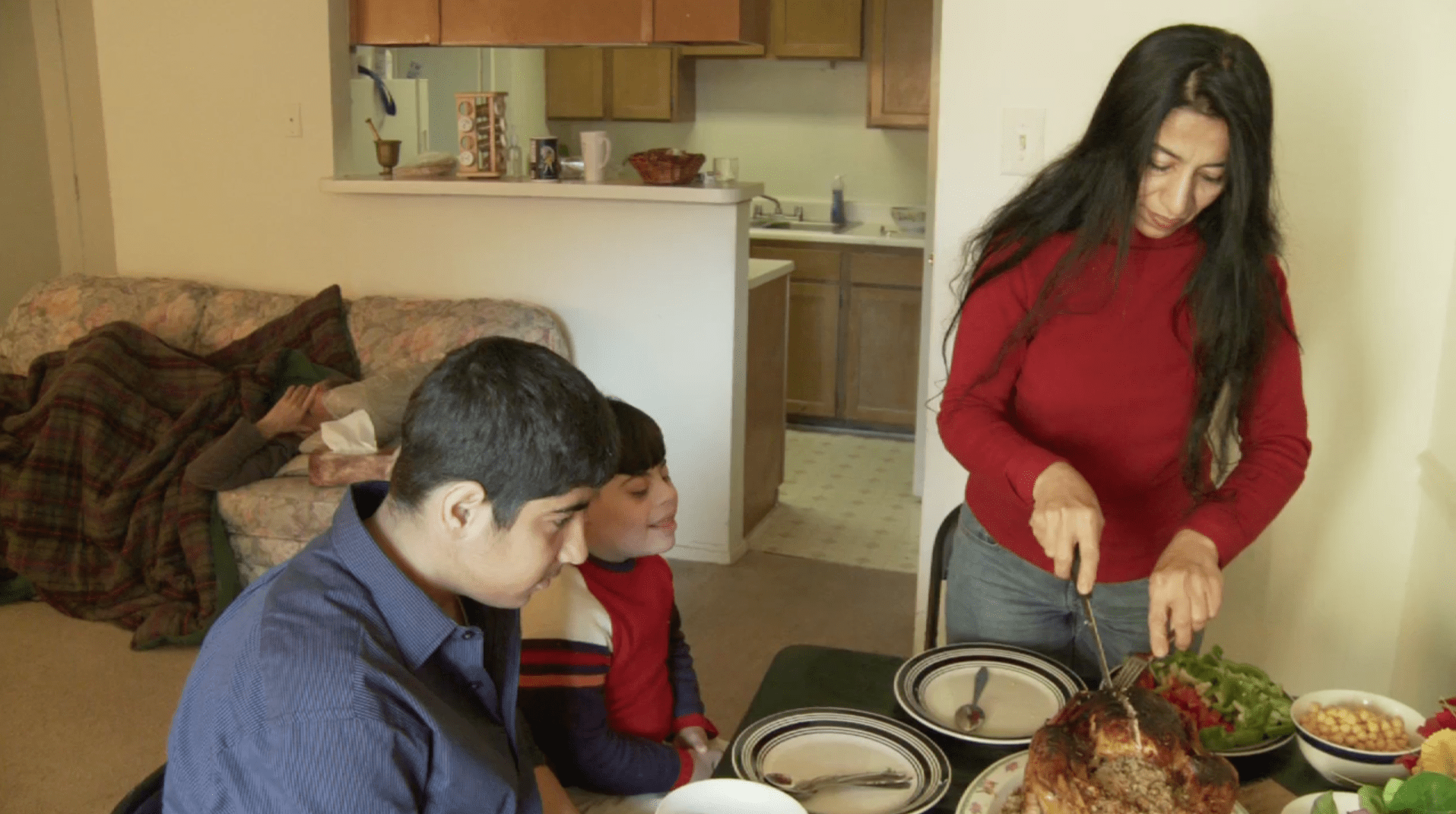
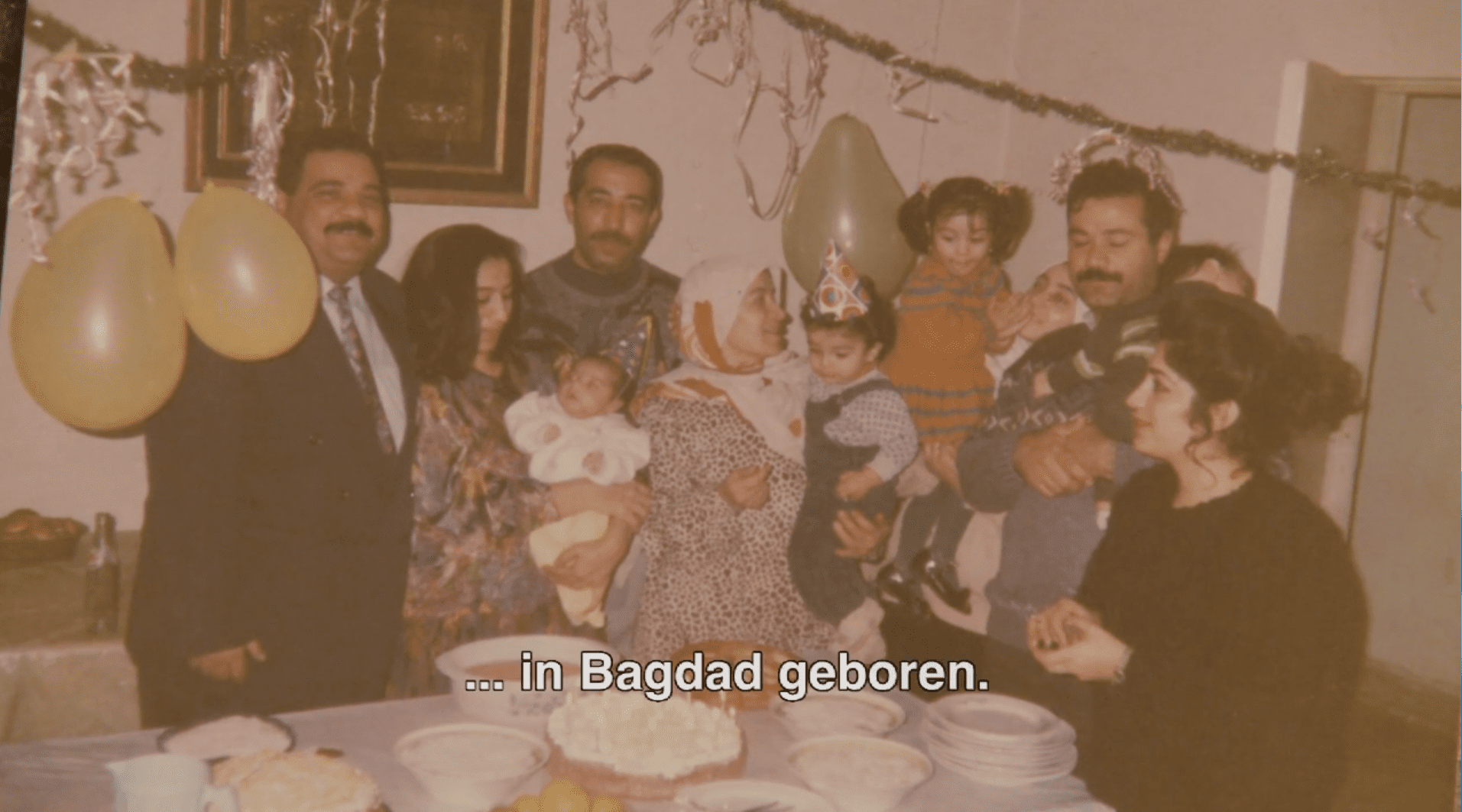
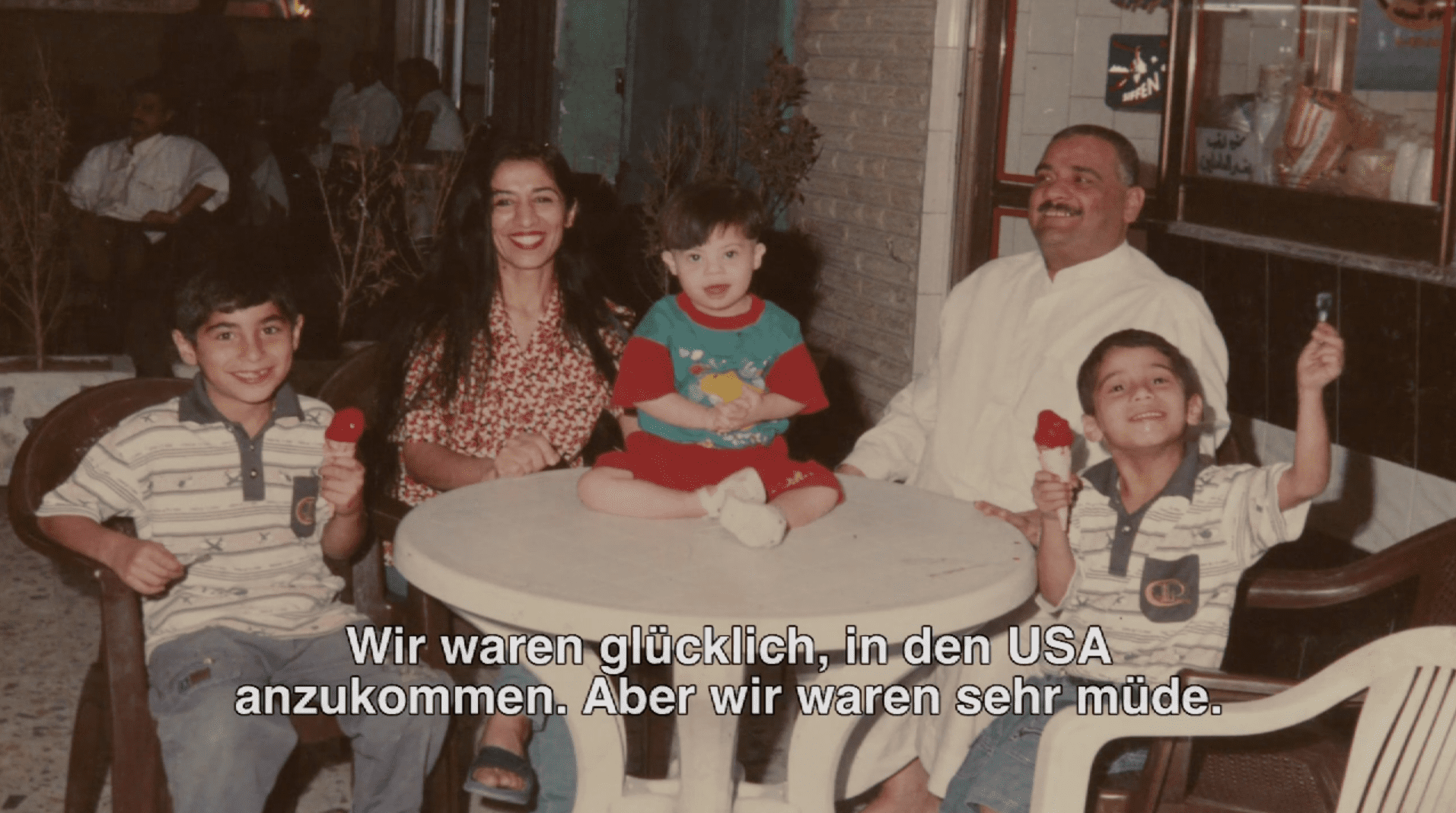
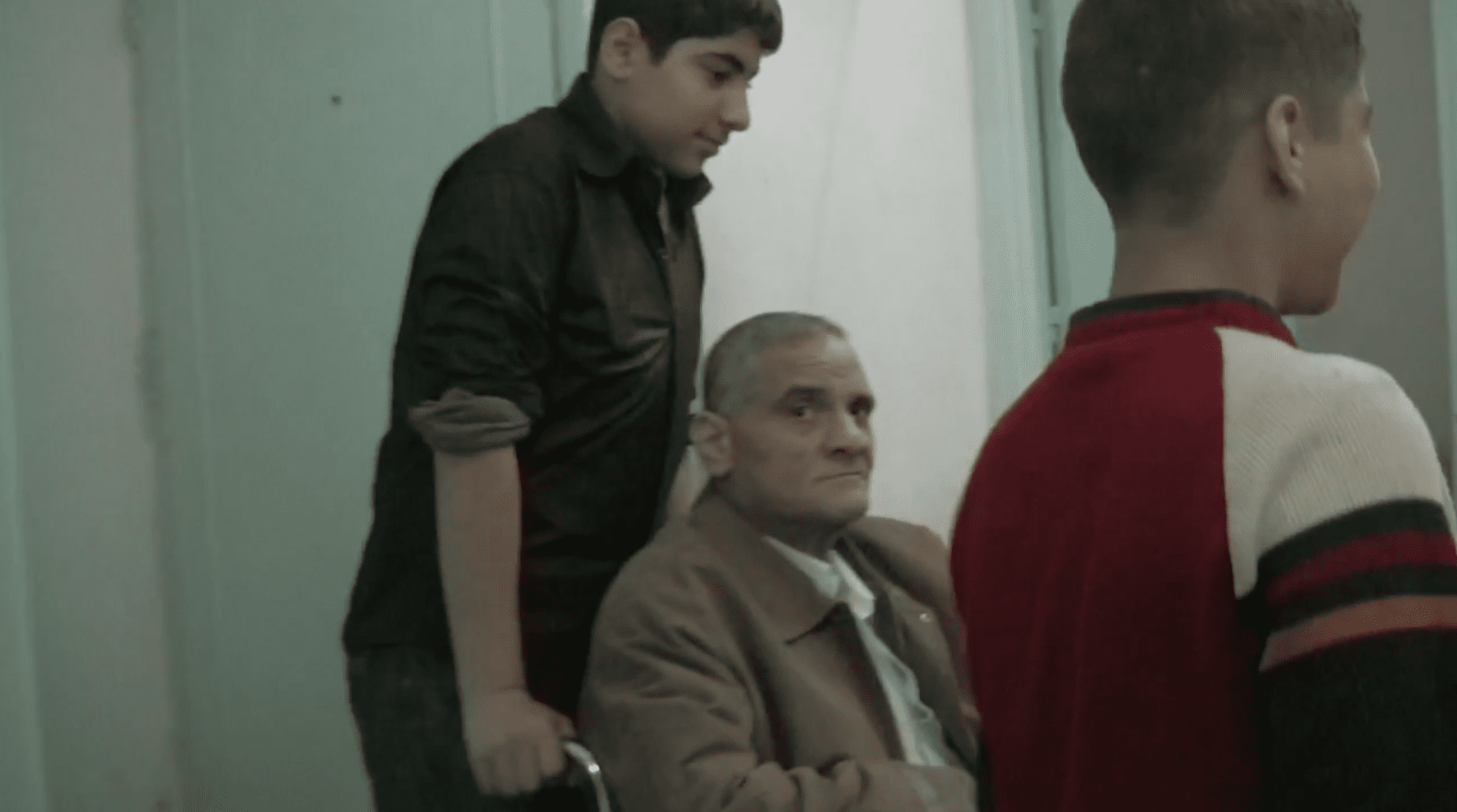
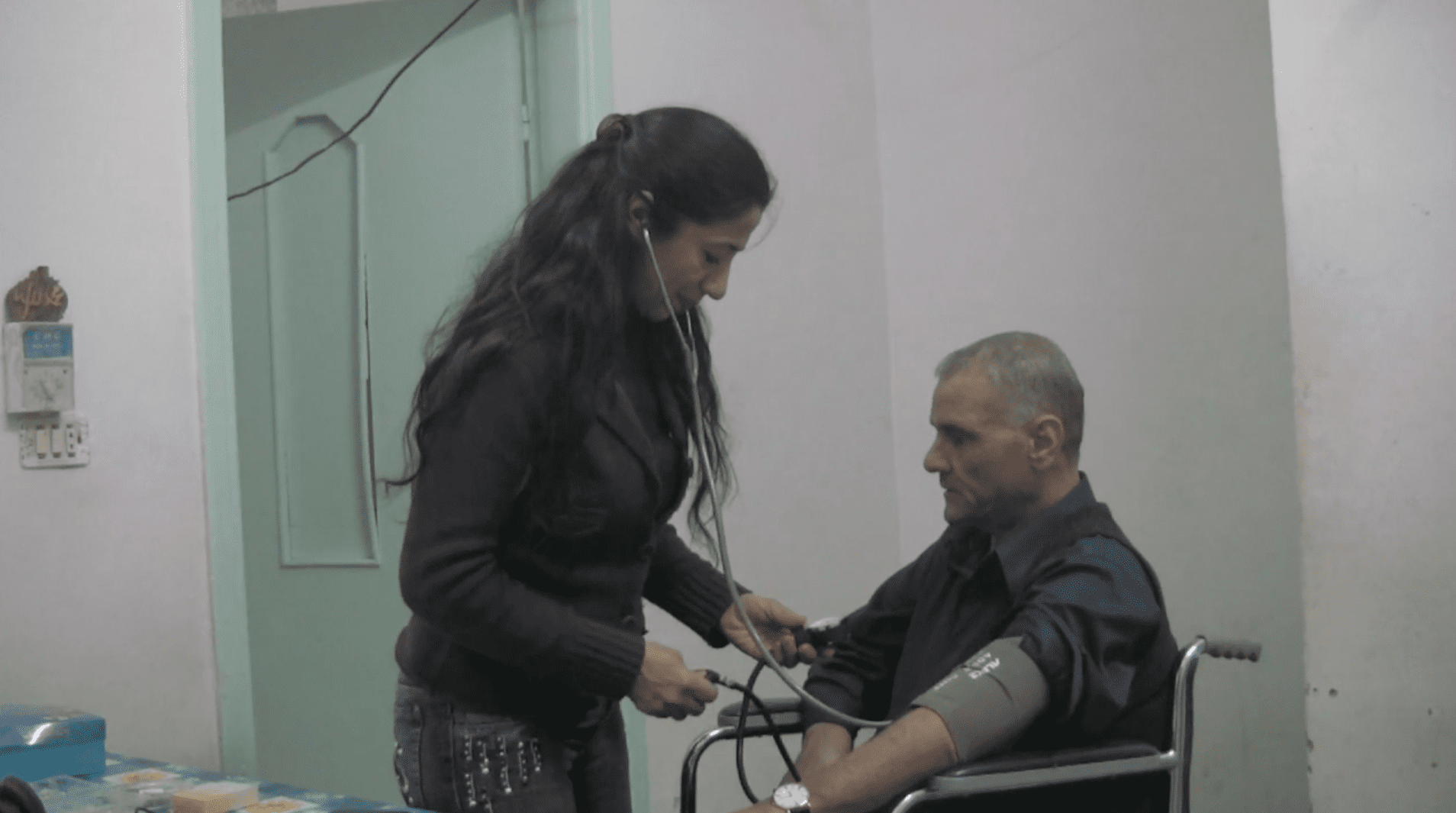
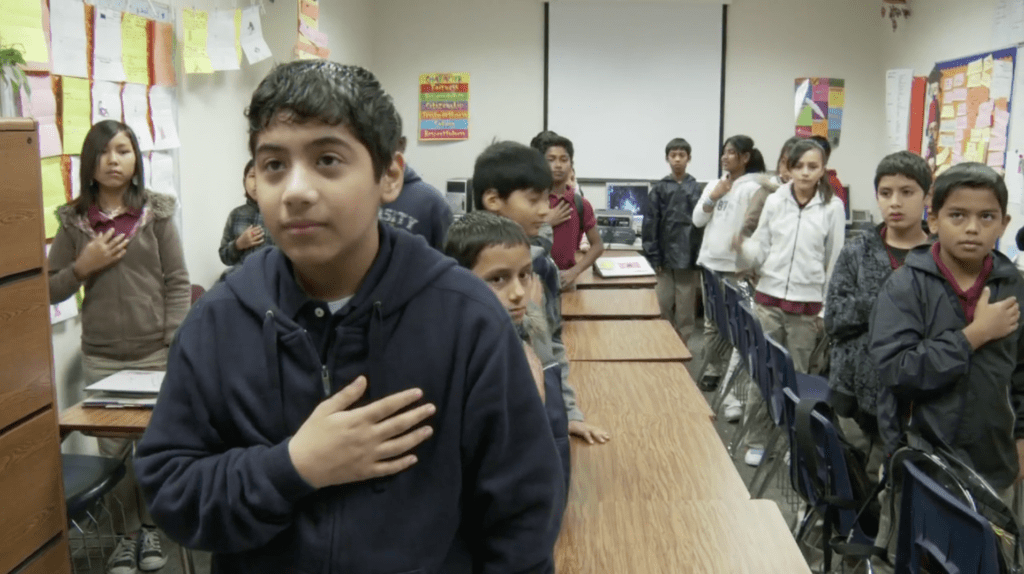
12-year-old Ahmed’s story is characterized by current topics in world politics: After a several year-long odyssey that started in civil war-ridden Iraq and continued in refugee camps in Syria 12-year-old Ahmed and his family are finally given asylum in the USA. Ahmed’s father Jamal suffered a stroke while he was kidnapped and held hostage by Iraqi militias and has been wheelchair-bound since. His mother carries the burden of raising three children and caring for a disabled husband in a strange country all alone.
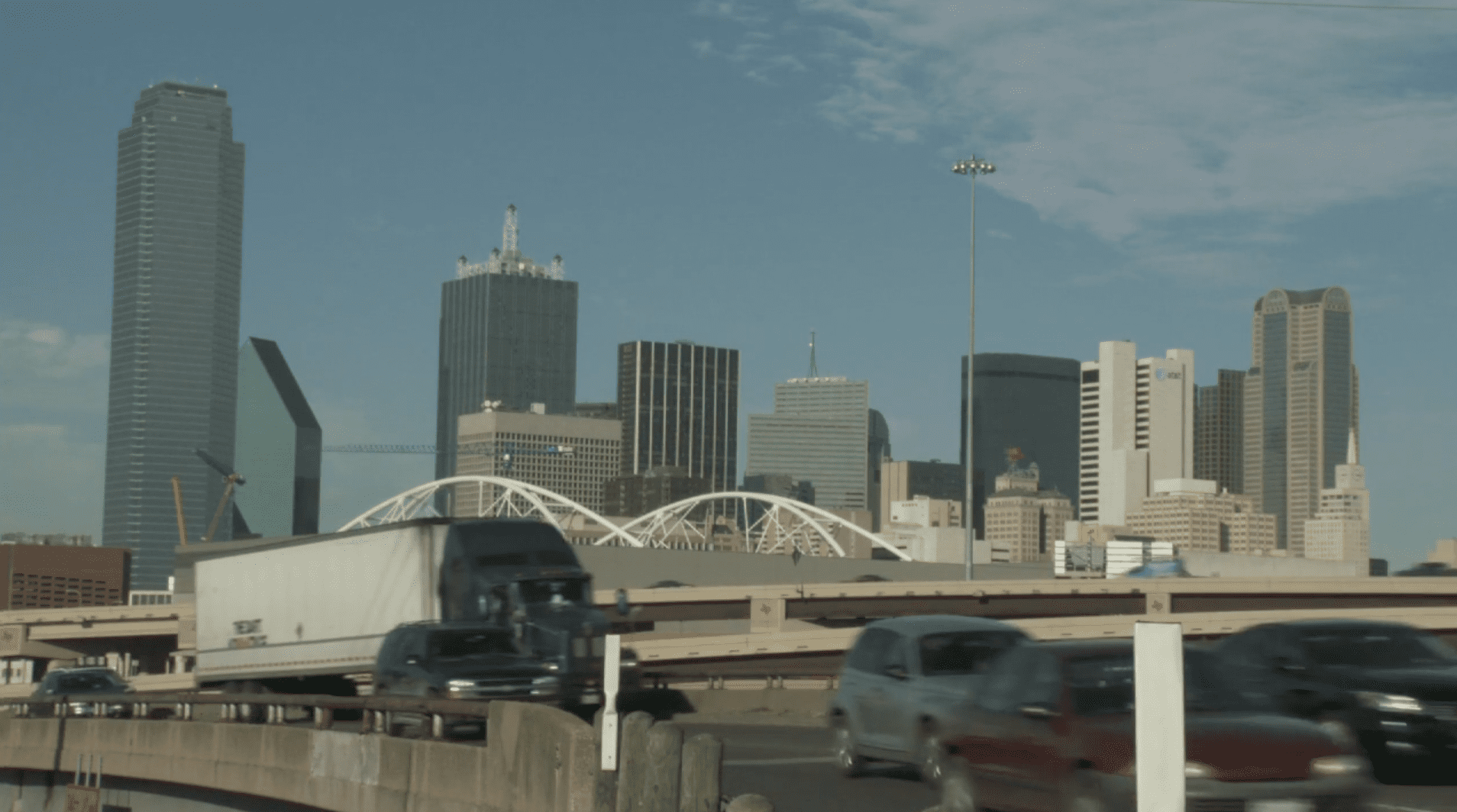
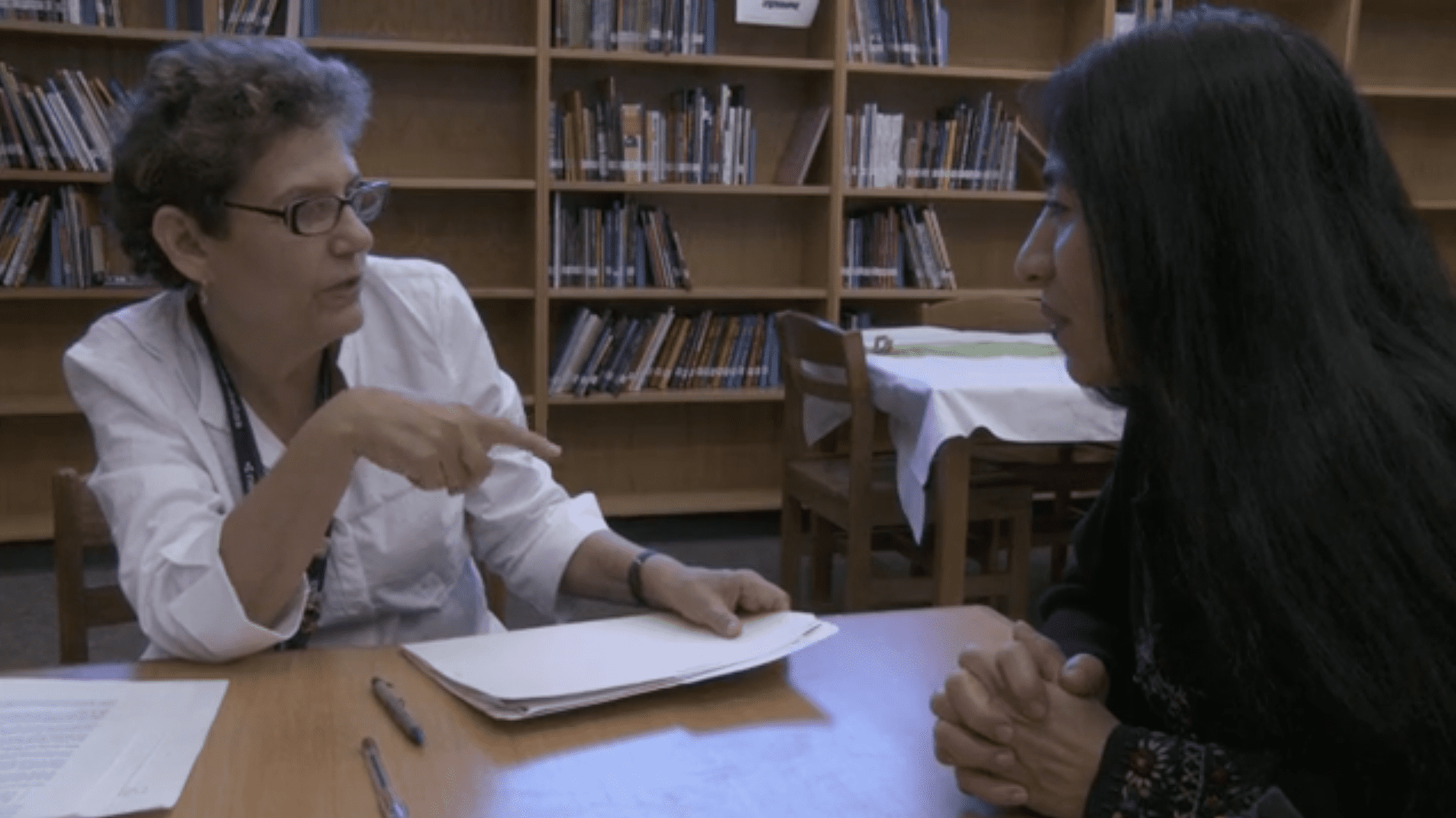
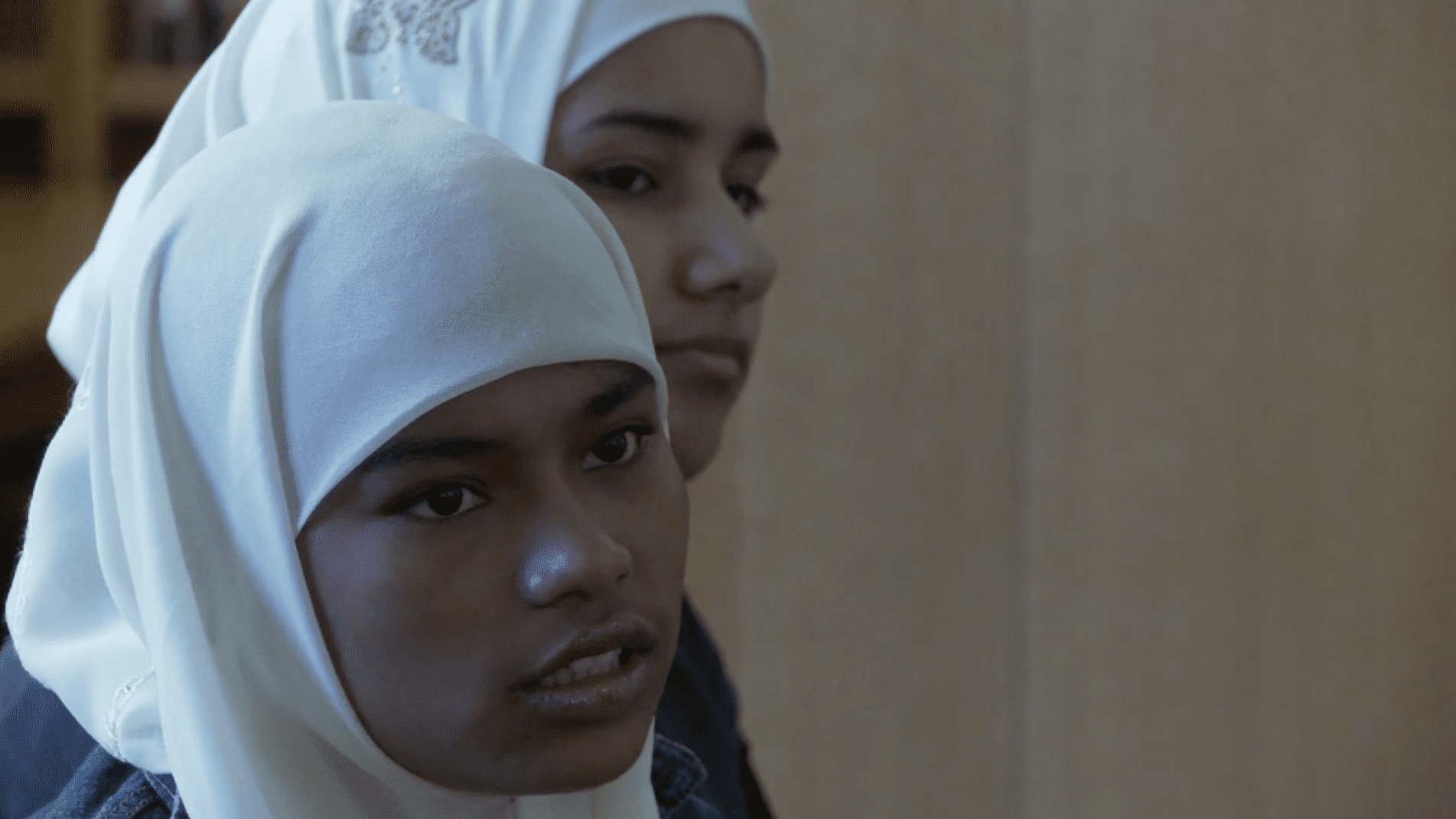
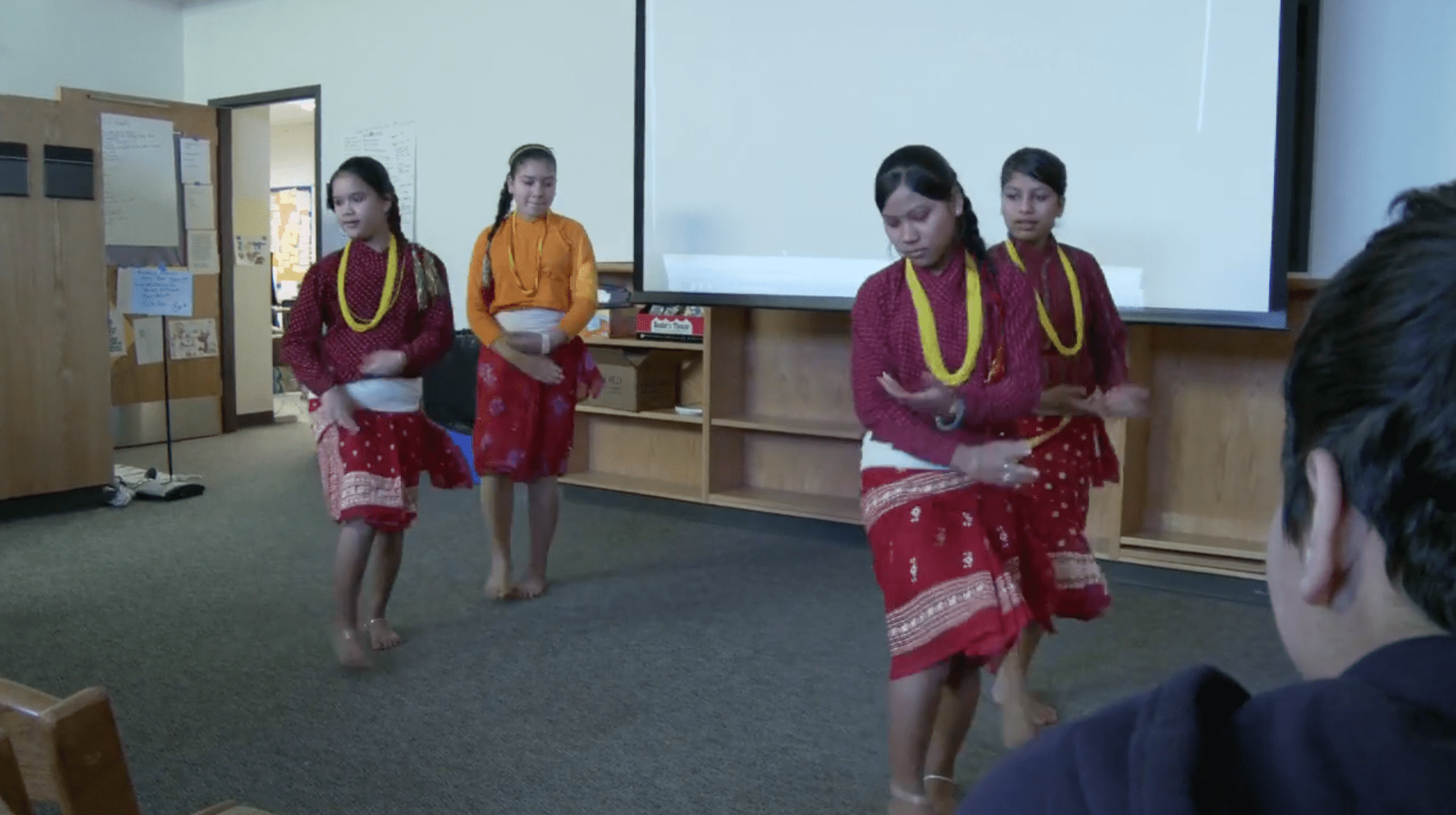
Ahmed’s everyday life in Dallas oscillates between moments of being a carefree teenager and the heavy burden of his personal fate, which forces him to grow up fast. Still, Ahmed dreams the American dream: He wants to learn English properly so he can study history at Harvard or Princeton. He still attends a special class for refugee children which seems like a melting pot for current crisis regions: His classmates are from Iraq, Somalia, Nepal – a reflection of world political conflicts. “You all bring the best parts of your culture to us” says Ahmed’s teacher sympathetically. But the family’s everyday struggle to finally become a part of American society shows how hard it really is to live the dream. Despite financial and personal support their life remains a fight for survival and Ahmed’s world in Dallas seems to be as confined as it was in Damascus.
Filmmaker Fritz Ofner empathetically documents the life of a refugee family in their fragile life situation – caught between longing for a long lost past and the hopes for a better future. Fritz Ofner was born in Styria in 1977 and studied ethnology and media studies in Vienna. Extensive travels through Asia, Africa and Latin America lead to his passion for documentary film making. At present he is finalizing his first feature length documentary called “The Evolution of Violence”.
“From Baghdad to Dallas” is part of the 3sat-documentary film series Alien Children dedicated to boys and girls from all around the world up to the age of 14. The series lends its powerful voice to children who often find themselves in difficult life situations.
- Awarded with the Axel Springer Prize 2011
Jury Statement by Thomas Kausch, host of the ARTE theme night:“A truly special film stands without competition. And that is exactly what Fritz Ofner’s contribution ‘Fremde Kinder: From Baghdad to Dallas’ was. It was the fifth film I watched, and I was certain I was seeing the winner.
Although the film takes place far from Germany, although it is in English, although it is ‘foreign,’ as the title already suggests — and although, in a time of our ever-increasing focus on ourselves and our major and minor problems in Germany, it has to overcome a considerable hurdle — Ofner succeeds in transforming this ‘foreignness’ into closeness by letting this refugee story from Baghdad via Damascus to Dallas be told by a child.
Observed consistently over weeks, in different locations, in calm, sometimes stoic images — even when the English is difficult to understand — a completely different facet of the Iraq war is conveyed in a completely different way, because the boy tells it very differently than a reporter would. Spontaneous, direct, unsparing, natural, naïve and wise at the same time, as only a child can be.
Ofner’s great achievement lies in the fact that one does not notice him, the author. He is not there at all; he plays no role. Ofner has made a wonderfully modest film, and precisely because of that, a deeply moving one.
And then there is a genuine artistic stroke: only at the end of the film, not at the beginning, does Ofner allow the young narrator to introduce himself. For thirty minutes, we have been observing a fate that has occurred — and continues to occur — countless times in this war. The individuals are interchangeable. So many anonymous victims. And yet this story, without name, time, or place, has held us spellbound — simply through its own power.”