
Films
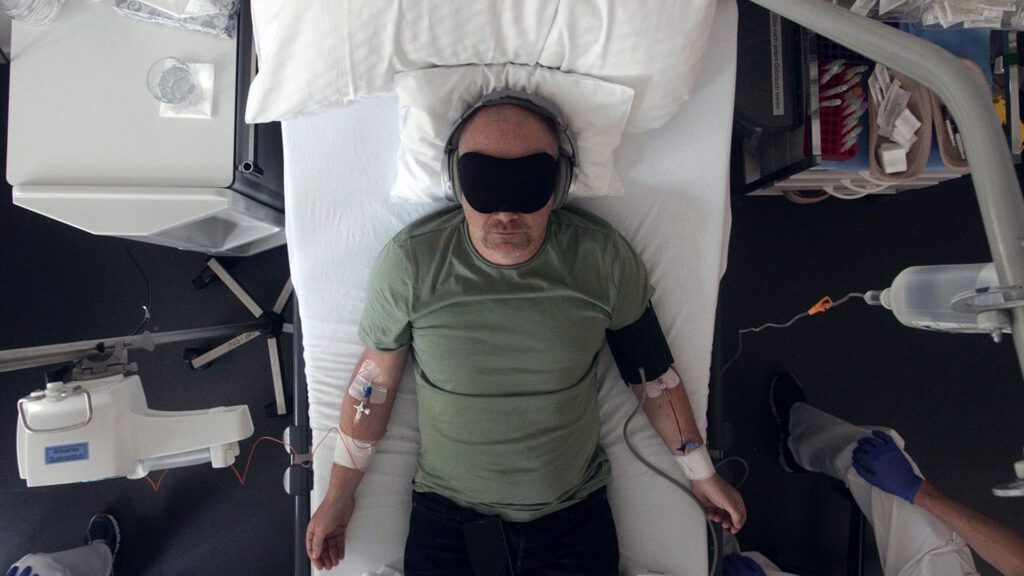
Katabasis, or the Art of the Last Breath
A filmmaker participates as a test subject in a neuroscience study designed to induce extraordinary states of consciousness and so-called near-death experiences (NDEs). Confronted with this radical self-exploration, he embarks on a cinematic investigation: What can experiences at the threshold between life and death reveal about what it means to be human?
KATABASIS weaves together subjective perception, scientific inquiry, and philosophical reflection. The result is a deeply personal yet universal exploration of the final boundary of life—and of its significance for our existence in the here and now.
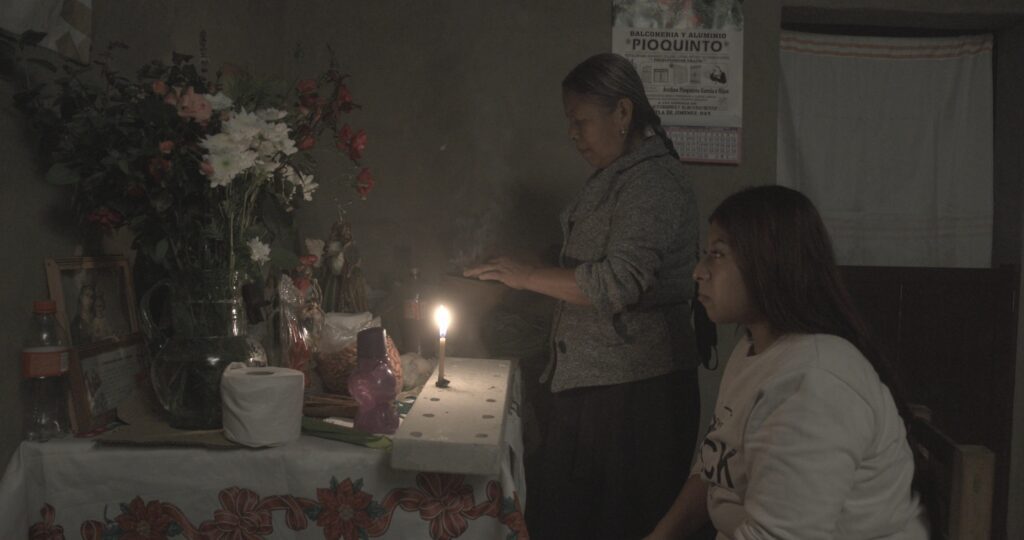
The Shaman and the Scientist
In 1962, Swiss chemist Albert Hofmann traveled to southern Mexico to meet the Mazatec shaman María Sabina, seeking to explore the therapeutic potential of mind-altering substances. Sixty years later, this encounter—and Hofmann’s research—form the point of departure for a film that investigates the healing effects of psychedelic drugs through the experiences of two protagonists. In María Sabina’s homeland in Mexico, magic mushrooms have been used by shamans for centuries. Luz hopes that this ancestral practice can help her ease the pain of her neuralgia. Meanwhile, in a psychiatric hospital in Hofmann’s native Switzerland, Saskia is participating in a pioneering clinical trial using LSD. After years of struggling with treatment-resistant depression, she hopes that the study will finally offer her a path toward healing. Can these substances open up new ways to treat psychological suffering?
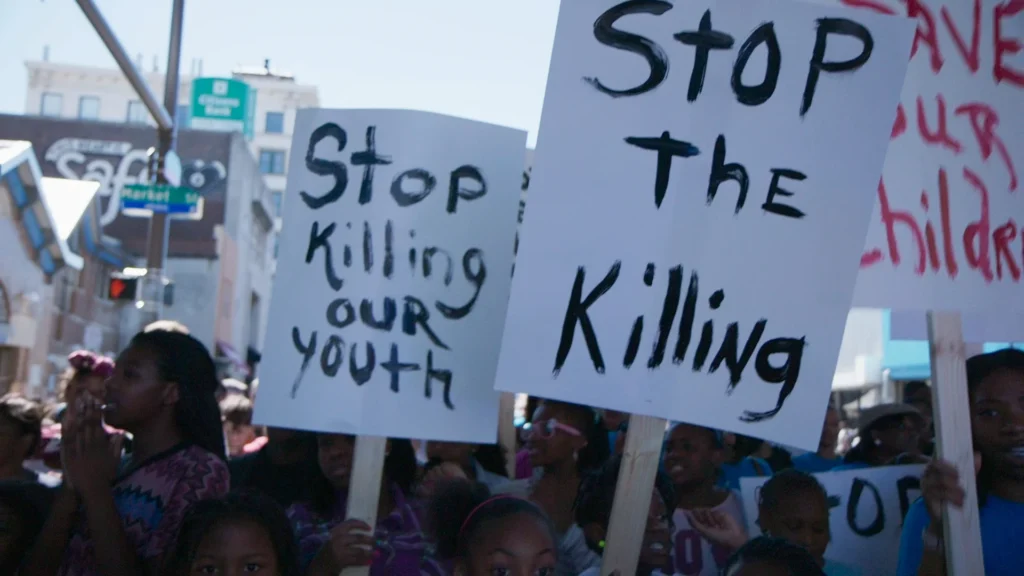
Weapon Of Choice
A cult object of Austrian invention and a bestseller in the USA: the Glock. The semiautomatic rapid fire weapon is one of Austria’s export hits, but not a lot about its questionable meaning reaches the public realm. In their impressive and precisely researched documentary, Weapon of Choice, Fritz Ofner and Eva Hausberger investigate the myth and history of the Glock: an Austrian story of looking the other way.
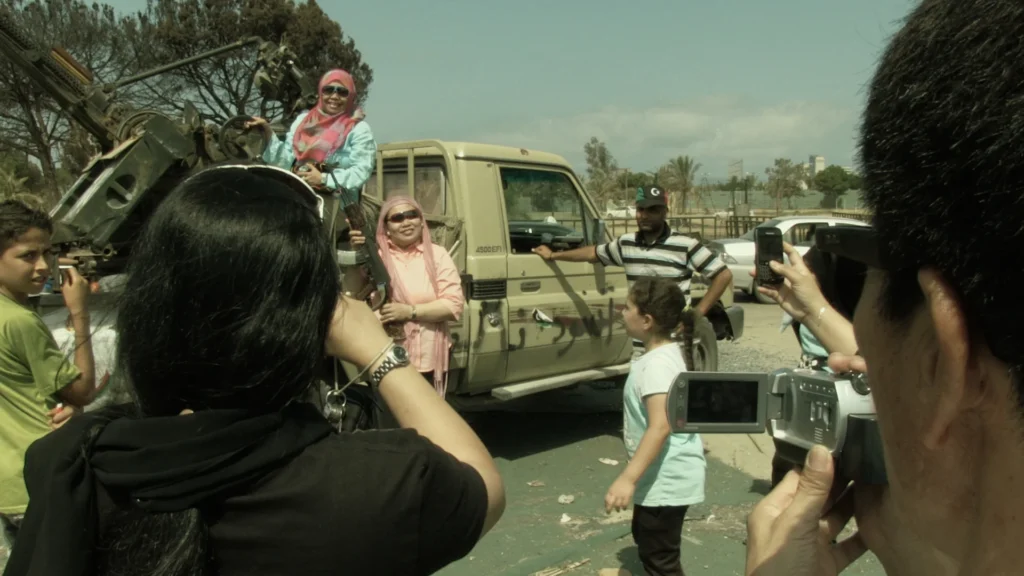
Libya Hurra
A road trip through Libya during the last weeks of the revolution against Muammar al-Gaddafi’s regime. Libya Hurra documents a collective mood characterizing people in one particular place in a narrow time window. Without losing itself in facts and statements, the film outlines realities of life in long sequence takes shot during an armed revolution, which usually – even from a country in the focus of media reporting – remains completely hidden. At the end of Libya Hurra, the filmmaker stands in front of Gaddafi’s former palace. The revolution is over and the time window closed again.
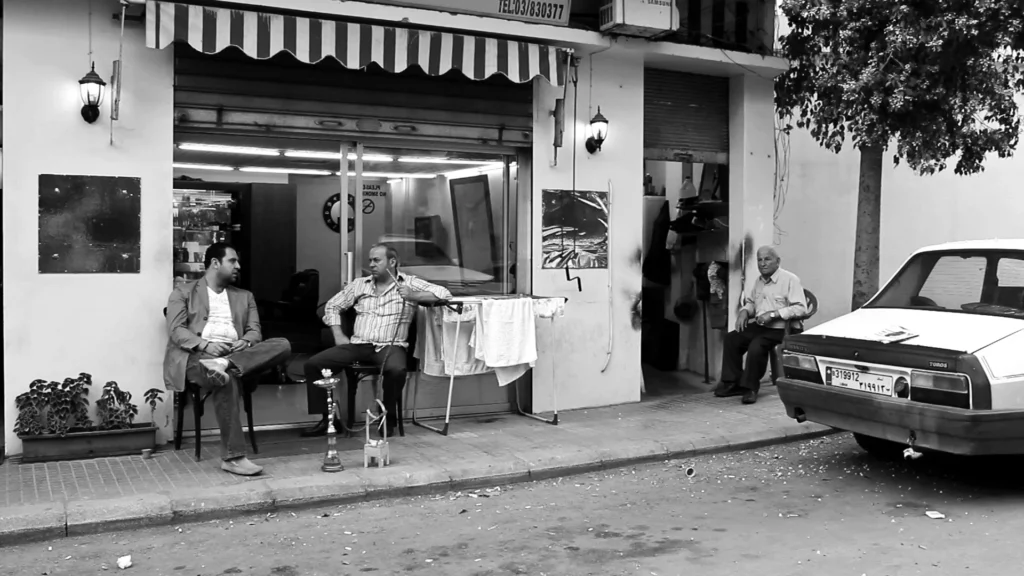
Beirut Blend
“Blend” is the cut of a type of tobacco that glistens at six places in Beirut under the glowing stone of the water pipe at the film’s center. “Blend” also means “mingling”, to “mix”, resulting in a “mélange”. And this is precisely what happens in thirty minutes of low-key black-and-white compositions in which those portrayed talk about the need for daily sports and also about Gaddafi’s fortune, Arab spring, the Middle-East conflict, and gender relations in supposedly post-modern societies.
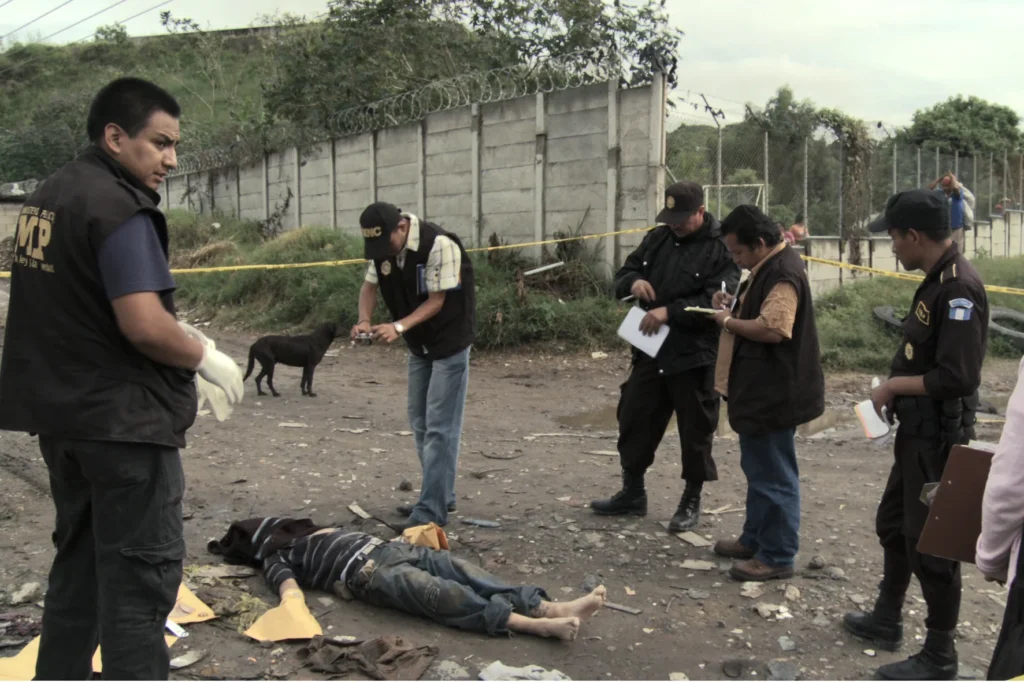
Evolution of Violence
Guatemala. The civil war ended long ago, yet the violence persists—spreading through society like a cancer that refuses to heal. Each day, journalists prepare to report on the next murder victim, while a social worker supports families of women who have been killed. The global hunger for cheap resources fuels further brutality, and the long-standing “banana war” has taken on a destructive life of its own. The country continues to suffer from the trauma of its 36-year civil war. Mass graves are uncovered in the mountains, former rebels mourn their fallen comrades, and a war criminal is haunted by the memories of what he once did. Peace remains out of reach in Guatemala.
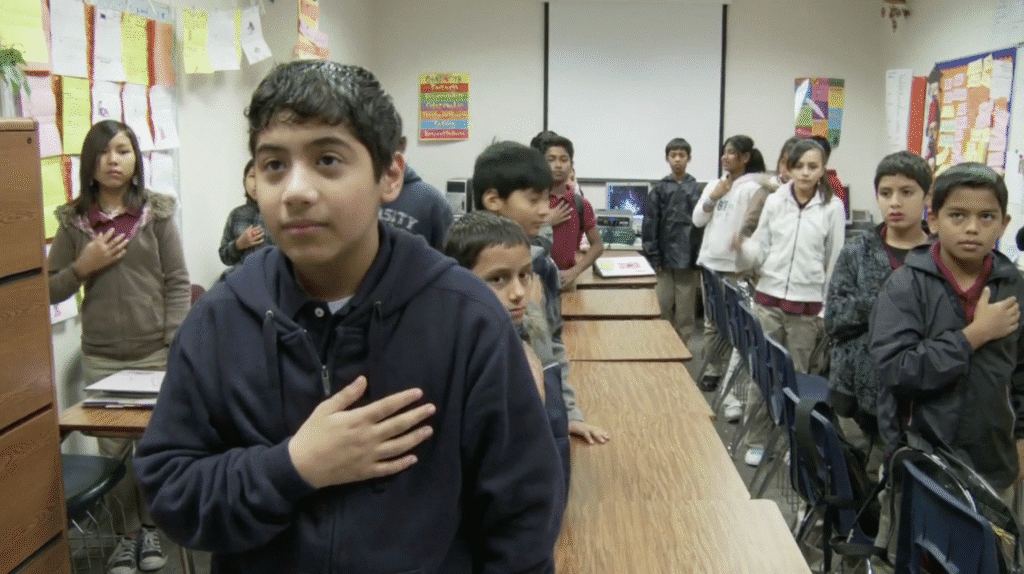
From Baghdad to Dallas
12-year-old Ahmed’s story is characterized by current topics in world politics: After a several year-long odyssey that started in civil war-ridden Iraq and continued in refugee camps in Syria 12-year-old Ahmed and his family are finally given asylum in the USA. Ahmed’s father Jamal suffered a stroke while he was kidnapped and held hostage by Iraqi militias and has been wheelchair-bound since. His mother carries the burden of raising three children and caring for a disabled husband in a strange country all alone.
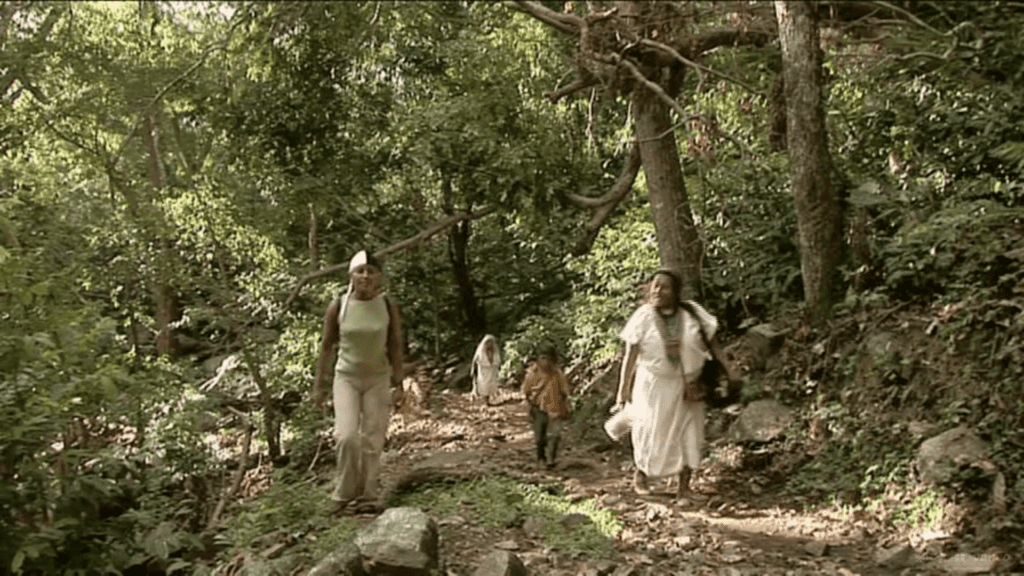
Walking with Cecilia
A young shop owner from a small-town in Colombia travels back to her homeland to confront a painful chapter of her past, navigating the treacherous Sierra Nevada mountain range with her embittered mother, who has eschewed their traditional spirituality and embraced Christianity. A descendent of the Arhuaco, the indigenous population of Sierra Nevada de Santa Marta, Cecilia was forced to flee from her home when civil war came to her doorstep three years ago. Accused of being a paramilitary informer, her only hope for survival was to escape to the city, where she opened a small store selling handicrafts. The region of Cecilia’s village has since fallen under the control of a FARC Guerilla group, known for stealing the local harvests and tormenting the locals.